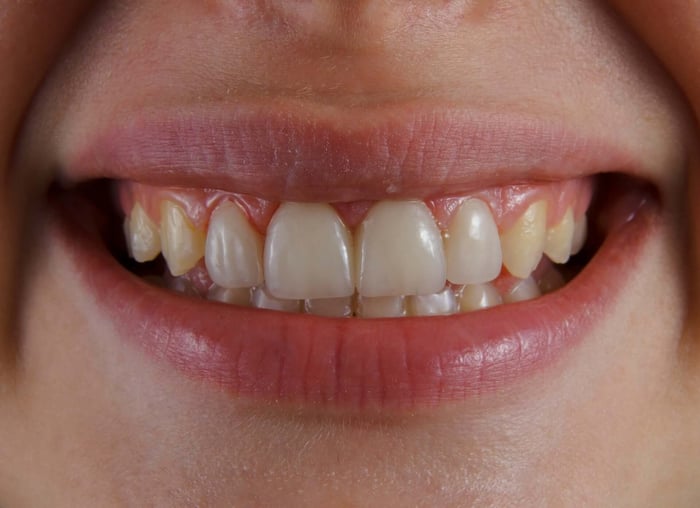
You rinse after brushing and notice a streak of pink in the sink. Maybe it happens once, and you brush it off. But when it keeps happening, that small sign is worth paying attention to.
Bleeding gums are one of the earliest signs that your gums may be irritated or inflamed. It does not always mean something severe is happening, but it does mean your mouth is asking for a closer look.
The good news is that catching gum problems early gives you real options. Understanding how periodontal disease develops can help you know what your dentist is checking for, why timing matters, and what treatment can do to protect your smile.
This guide walks through the process in plain language, from early gum irritation to deeper gum disease, and explains when to schedule care.
Key Takeaways
Plaque and tartar can irritate the gums and lead to inflammation.
Gingivitis is the earliest stage of gum disease and can often be reversed with professional care and better home habits.
Periodontitis affects deeper support around the teeth and needs ongoing professional treatment.
What Starts the Problem at the Gumline
Gum disease usually starts with plaque, a sticky film that forms on your teeth throughout the day. When plaque is not removed well, it can irritate the gumline and over time that irritation can turn into inflammation and bleeding.
How Plaque Forms Around Teeth and Gums
Your mouth naturally contains bacteria, and the problem starts when bacteria mix with food particles and saliva to form plaque. Plaque collects along the gumline and between teeth, where a toothbrush may not reach well. When plaque stays on the teeth, the bacteria inside it can irritate the gums and cause them to become tender, swollen, or more likely to bleed when brushing.
Why Tartar Makes Gum Irritation Harder To Stop
If plaque is not removed, it can harden into tartar, also called calculus, which attaches firmly to the tooth surface. Once tartar forms, brushing and flossing cannot remove it and it needs to be cleared with professional dental tools. Tartar also creates a rough surface where more plaque can collect, which can keep the gums irritated even when you are working to improve your home care.
Why Early Inflammation Is Easy To Miss
Early gum inflammation does not always hurt, and your gums may look only slightly red or puffy in a way that is easy to ignore. Many people assume a little bleeding during brushing is normal, but bleeding gums are often a sign of inflammation, especially when it happens more than once. Because early gum disease may not cause sharp pain, people often wait, and that waiting gives plaque and tartar more time to affect the gums.
Gingivitis vs. Periodontitis in Plain Language
Gum disease does not usually appear all at once. It develops in stages, and the two main terms patients hear are gingivitis and periodontitis. They sound similar, but they do not mean the same thing.
What Gingivitis Means
Gingivitis is the earliest stage of gum disease. It means the gum tissue is inflamed, but the deeper support around the teeth has not been damaged. You may notice gums that bleed when brushing or flossing, redness, swelling, or bad breath. The important thing is that gingivitis can often be reversed with a professional dental cleaning, better brushing, and daily flossing.
What Changes When It Becomes Periodontitis
Periodontitis develops when inflammation moves deeper below the gumline. At that point, the tissues and bone that help hold teeth in place can become affected. The Centers for Disease Control and Prevention (CDC) explains that periodontitis can damage the soft tissue and bone supporting the teeth. Once bone support is lost, the condition cannot be reversed with brushing alone, though it can often be managed with professional treatment and ongoing maintenance.
A Simple Comparison Table for Patients
Feature | Gingivitis | Periodontitis |
|---|---|---|
Tissues affected | Gums only | Gums and deeper support around teeth |
Reversible? | Often, with care | Not fully reversible, but manageable |
Bone loss present? | No | May be present |
Bleeding gums? | Common | Common |
Bad breath? | Possible | May be persistent |
Treatment needed | Cleaning and home care | Periodontal treatment and maintenance |
This table is only a guide. Your dentist can confirm what stage you are in by checking your gums, measuring pocket depths, and reviewing X-rays when needed.
How Gum Disease Can Progress Over Time
As gum disease develops, the space between the tooth and gum can deepen and bacteria can then collect in areas that are harder to clean at home. This is why bleeding gums should be checked early, as it is much easier to treat gum inflammation before deeper support is affected.
From Gum Irritation to Periodontal Pockets
In a healthy mouth, the gums fit closely around the teeth with a small natural space that stays shallow and easy for your dental team to monitor. When bacteria and inflammation continue, the gum tissue may begin to pull away slightly from the tooth, creating a deeper space called a periodontal pocket. These pockets can trap more bacteria and tartar, and the deeper the pocket, the harder it is to keep clean without professional treatment.
What Happens When Support Around the Tooth Is Affected
Your teeth are held in place by gum tissue, tiny supporting fibers, and bone. When periodontitis progresses, inflammation can affect these deeper structures, though this usually happens slowly rather than overnight. As support changes, you may notice sensitivity near the gumline, gums that seem to recede, or teeth that feel slightly loose.
How Advanced Gum Disease Can Affect Stability
In more advanced gum disease, reduced support can affect how teeth feel when you bite, and some teeth may shift, loosen, or become harder to keep clean. A dentist can measure what is happening and explain your treatment options clearly. The earlier you get help, the more options you usually have, which is why bleeding, swelling, or gum changes should be taken seriously.
Risk Factors That Can Speed Up Gum Disease
Home care matters, but some patients are more vulnerable to gum disease progression regardless of how consistently they brush and floss. Knowing your risk factors helps you and your dental team create the right monitoring schedule.
Risk Factor | How It Affects Gum Health |
|---|---|
Smoking and tobacco use | Reduces blood flow to gums, masks early warning signs like bleeding |
Diabetes | Higher blood sugar can increase inflammation and slow healing |
Dry mouth | Less saliva means bacteria and plaque are not cleared as effectively |
Genetics | Some people are more prone to gum disease regardless of home care |
Hormonal changes | Pregnancy, menopause, and puberty can make gums more reactive |
Certain medications | Some drugs reduce saliva flow or cause gum tissue changes |
Teeth grinding | Adds mechanical stress to teeth and supporting structures |
Orthodontic appliances | Create more surfaces where plaque can collect if not cleaned carefully |
If you have one or more of these factors, your dentist may recommend more frequent visits. That does not mean you have failed at home care. It means your mouth needs closer professional support.
Signs You May Notice Before Your Appointment
Gum disease rarely announces itself dramatically, as the signs often build slowly. Knowing what to watch for can help you schedule care before the problem becomes harder to manage.
Common At-Home Changes To Watch For
Some signs are easy to explain away, especially when they come and go, but they are still worth mentioning at your next visit.
Watch for:
Gums that bleed when you brush or floss.
Gums that look red, puffy, or darker than usual.
Gum recession that makes teeth look longer.
Persistent bad breath.
Teeth that feel loose or shifted.
Sensitivity along the gumline.
Discomfort when chewing in one area.
These symptoms do not always mean advanced disease, but they do mean your gums should be checked so you know what is happening.
When Gum Symptoms Should Prompt a Dental Checkup
If your gums bleed more than once, or if you notice swelling, bad breath, recession, or sensitivity, schedule a dental checkup in El Segundo. If you have diabetes, smoke, or have a family history of gum disease, it is especially important not to wait. Your dental team can measure gum pockets, check for tartar, and explain what kind of cleaning or treatment you need.
How Dentists Diagnose and Treat Gum Problems
Diagnosing gum disease is not based on one symptom alone. Your dentist or hygienist needs to look at your gums, measure them, and sometimes check the bone levels around your teeth. That process helps separate mild inflammation from deeper periodontal disease.
How an Exam, X-Rays, and Pocket Measurements Help
During a gum evaluation, your hygienist or dentist uses a small measuring tool to check the space between each tooth and gum, a process called periodontal probing. Shallow measurements are usually a sign of healthier gums, while deeper measurements may suggest gum disease, especially if bleeding or bone changes are also present. X-rays help your dentist see bone levels around the roots, and together the exam, measurements, and images show how far the problem has progressed.
When Home Care and Routine Dental Cleaning May Be Enough
If your exam shows gingivitis, treatment may be straightforward, as a professional cleaning removes plaque and tartar around the gumline. Your dental team may also review brushing and flossing technique, since small changes can make a big difference. With gingivitis, gums can often heal once the buildup is removed and daily care improves, and your dentist may recommend a follow-up visit to confirm inflammation is resolving.
When Deep Cleaning or Periodontal Therapy Is Recommended
If pockets are deeper or tartar has built up below the gumline, a routine cleaning may not be enough. Your dentist may recommend scaling and root planing, often called a deep cleaning, which removes buildup from deeper areas around the roots. Deep cleaning may be done in sections across more than one appointment, and sedation options are available if you feel anxious about longer visits.
What Advanced Treatment May Involve
In more advanced cases, additional periodontal treatment may be needed, including deeper cleaning, targeted medication, or referral to a specialist. Some patients need procedures that help reduce pocket depth or protect remaining bone support. The periodontics team can help determine which treatment path fits your gums, bone support, comfort level, and long-term goals.
What To Do Next if Your Gums Are Bleeding
If your gums are bleeding, the next step is not panic. A dental exam can tell you whether the bleeding is from early inflammation, tartar buildup, brushing technique, or something deeper.
Simple Home Care Steps That Support Healing
Consistent home care can help reduce gum irritation, especially in the early stages. Brush for two full minutes twice a day with a soft-bristled toothbrush and angle the bristles gently toward the gumline. Floss once daily by guiding the floss around each tooth instead of snapping it into the gums, and ask your dentist whether a mouth rinse makes sense for your situation.
Why Ongoing Maintenance Protects Long-Term Stability
After treatment for periodontitis, maintenance matters and many patients need periodontal maintenance cleanings more often than twice a year. These visits help your hygienist monitor pocket depths, remove new buildup, and catch early signs of recurrence. Your maintenance plan is the system that helps keep your mouth stable over time.
Getting Help Early in El Segundo
If your gums have been bleeding and you are waiting to see if it goes away, scheduling an evaluation is the most supportive step you can take. Early gum disease is manageable, and a clear diagnosis can give you peace of mind.
El Segundo Modern Dentistry & Orthodontics provides gentle, patient-focused periodontal care from routine cleanings to gum disease treatment. To get started, schedule your appointment online and let the team know what you have been noticing.
Frequently Asked Questions
What Causes Gums To Shift From Mild Irritation to Deeper Infection Over Time?
Plaque and tartar can keep the gumline irritated, and if they are not removed, bacteria may move deeper below the gums and create pockets around the teeth. Over time, inflammation can affect the tissues and bone that support the teeth. Professional cleaning and early treatment help stop that process before it becomes more serious.
How Does Plaque Turn Into Tartar and Start Harming the Gumline?
Plaque is a soft film that forms on teeth every day, and if it is not removed well, it can harden into tartar. Tartar cannot be brushed away at home and creates a rough surface where more bacteria can collect, especially near and below the gumline.
What Are the Early Signs That Gum Trouble May Be Progressing Quietly?
Early signs include bleeding when brushing, puffy gums, redness, tenderness, and persistent bad breath. Some people also notice gum recession or sensitivity near the gumline. Because early gum disease may not hurt, a dental exam is the best way to know what stage you are in.
How Do the Stages of Gum Disease Change From Gingivitis to Periodontitis?
Gingivitis affects the gums only and can often be reversed with cleaning and better home care. Periodontitis affects deeper support around the teeth. Once bone support changes, treatment focuses on managing the condition and preventing further damage.
Can Bleeding Gums Get Better Without Treatment?
Sometimes bleeding improves with better brushing and flossing, especially if irritation is mild, but if tartar is present, home care alone will not remove it. If bleeding continues for more than a short time, schedule a dental visit. A professional cleaning or gum evaluation can help identify the cause.
Is Gum Damage Reversible Once Bone Support Starts To Change?
Gum inflammation can often improve, but bone support lost to periodontitis does not grow back on its own. In some cases, advanced treatment may help restore limited support. Most periodontal care focuses on stopping progression, reducing inflammation, and keeping the teeth as stable as possible.
Protect Your Gums Before Small Signs Become Bigger Problems
Bleeding gums are common, but they are not something to ignore. They may be your first sign that plaque, tartar, or inflammation is affecting your gum health.
The earlier you respond, the easier it usually is to treat. Gingivitis can often be reversed, and periodontitis can often be managed with the right professional care and maintenance plan.
El Segundo Modern Dentistry & Orthodontics offers gentle, patient-focused gum care with clear explanations at every step. You can schedule your appointment online and get a clear answer about what your gums need next.
Medically Reviewed by
Dr. Hamid Barkhordar, orthodontist at El Segundo Modern Dentistry & Orthodontics. USC School of Dentistry graduate, Harvard School of Dental Medicine (orthodontics). Invisalign® Diamond+ Provider. Learn more about Dr. Hamid.