Standing in the toothbrush aisle can feel oddly overwhelming. There are dozens of shapes, colors, bristle types, and handle sizes staring back at you. Most of them seem to promise the same thing.
Or maybe your bathroom cabinet already holds a collection of mismatched brushes. One belongs to your toddler, one to your teenager, and one may have been there too long. You are not sure whether any of them are actually the right fit.
Choosing the right toothbrush is not about finding the fanciest option. It is about matching the brush to the person using it. Bristle firmness, head size, and handle design all affect how well someone cleans their teeth each day.
The right brush makes the routine easier, more comfortable, and more effective. This guide walks through the practical details, so every person in your household can brush with more confidence.
Key Takeaways
Soft bristles are the safest and most recommended choice for nearly every age group.
Both manual and electric toothbrushes can clean effectively when used correctly and consistently.
Your toothbrush works best as part of a routine that includes regular professional cleanings.
Start With the Features That Matter Most
When you are trying to figure out how to choose the right toothbrush, focus first on the features you use every day. Bristle type, brush head size, and handle shape all affect how well your brush works.
A toothbrush should help you reach every tooth without strain. It should feel comfortable in your hand and gentle on your gums. If brushing feels awkward, harsh, or rushed, the brush may not be the right match.
Why Soft Bristles Are Usually the Best Choice
According to the American Dental Association (ADA), most people should use a toothbrush with soft bristles. The ADA also recommends gentle pressure during brushing.
Soft bristles flex easily. That helps them reach along the gumline, where plaque often collects. They can clean well without scraping delicate gum tissue.
Medium and firm bristles may feel more thorough. In reality, they can be rough on enamel and gums over time. The California Dental Association also notes that soft, end-rounded, or polished bristles are less likely to injure gum tissue or damage the tooth surface.
For most families, soft bristles are the right starting point at every age. Extra-soft options may help people with sensitive gums, recent dental work, or tenderness after brushing.
When the ADA Seal of Acceptance Helps Narrow Your Options
The ADA Seal of Acceptance can help when the shelf feels crowded with choices. A toothbrush earns this seal only after the manufacturer provides evidence that it is safe and effective.
For a manual toothbrush, the ADA looks at several details. The bristles should stay in place during normal use. The handle should be durable. The materials should also be safe for use in the mouth.
Powered toothbrushes go through additional review. That may include electrical safety, mechanical strength, and clinical performance. You do not need a toothbrush with the ADA Seal to brush well. Still, the seal can reduce guesswork when you are comparing unfamiliar options.
How Brush Head Size and Handle Shape Affect Daily Use
A brush head that is too large may not move comfortably around back teeth. When that happens, some surfaces may not get cleaned well. A smaller head gives you more control. It helps you reach the inside edges of lower front teeth, back molars, and tight corners near the cheek.
Handle shape also matters. A wide, textured grip helps adults maintain control during brushing. A thick, easy-to-hold handle helps young children who are still building fine motor skills. Older adults may also benefit from a wider handle.
That can make brushing easier when hand strength or joint comfort changes. The shape and angle of the brush should let you reach every tooth. You should not have to twist your wrist into an uncomfortable position.
Manual Or Electric: Which Style Fits Your Routine
The electric vs manual toothbrush question comes up often. The honest answer is that both can work well.
The better question is which style fits the way your family actually brushes. A simple brush used well is better than a fancy one that sits unused.
Toothbrush Type | Best Fit | What Helps It Work Well |
|---|---|---|
Manual toothbrush | Consistent brushers, simple routines, travel, and budget-friendly care | Good technique, gentle pressure, and a full two minutes |
Electric toothbrush | Quick brushers, braces, limited hand mobility, or people who press too hard | Built-in timers, pressure sensors, and regular head replacement |
Child-sized toothbrush | Toddlers, school-age kids, and preteens | Small head, soft bristles, and a handle that fits the child’s grip |
Extra-soft toothbrush | Sensitive gums, gum tenderness, or recent dental work | Light pressure and guidance from a dentist when sensitivity continues |
What a Manual Toothbrush Does Well
A manual toothbrush gives you full control over speed, pressure, and angle. It needs no charging, batteries, or replacement heads. It also travels easily.
When used with the right technique for two full minutes, a manual toothbrush can clean effectively. It can remove plaque and support healthy gums.
The key phrase is "used with the right technique." Timing and consistency matter as much as the brush itself. Manual brushes are also easy to find in child sizes, which makes them simple to replace as a child grows.
When a Powered Toothbrush May Be More Helpful
An electric toothbrush may help people who brush too fast or miss areas often. It can also help people who struggle with steady hand movement.
People with braces, limited hand mobility, or dexterity challenges may find powered brushes easier to use well. Children who resist brushing may also respond to the movement or timer.
Electric brushes do more of the mechanical work for you. That can reduce the chance of scrubbing too hard or skipping surfaces. Still, there is no need to declare one style the winner for everyone.
The best brush is the one that helps you brush gently and consistently.
How Pressure Sensors and Timers Support Better Habits
Many powered toothbrushes include two-minute timers. Some also divide brushing into 30-second sections for each area of the mouth. These features remove the guesswork and help you cover all four sections more evenly.
Pressure sensors can also help. They alert you when you are pressing too hard. This is especially useful for people who scrub aggressively, since too much pressure can irritate gums and wear down enamel over time.
If you are choosing a brush for a child or quick brusher, a timer alone can improve the routine.
Matching the Brush to Age and Mouth Size
The best toothbrush for kids depends on age, mouth size, and coordination. A toddler does not need the same brush as a teenager. Matching the brush to the person helps brushing feel easier. It also helps the bristles reach the right places.
Toddlers and Preschoolers
Brushing should begin as soon as a baby’s first tooth appears. The Centers for Disease Control and Prevention (CDC) recommends using a soft, small-bristled toothbrush for infants and toddlers.
The brush head should be small enough to fit comfortably inside a young child’s mouth. It should reach all tooth surfaces without crowding the cheeks.
For this age group, the caregiver does most of the brushing. A handle that is easy for an adult to control matters as much as the child’s comfort.
Look for a soft-bristle brush with a compact head. The handle should give you steady control while you brush gently. Children also need help for longer than many parents expect. A young child may want independence before they have the coordination to brush well.
School-Age Kids and Preteens
School-age children are building more coordination. They still need a child-sized brush and some supervision. The brush head should match their mouth size, not an adult’s. Bristles should stay soft. A slightly wider handle can help a child who is starting to brush more independently.
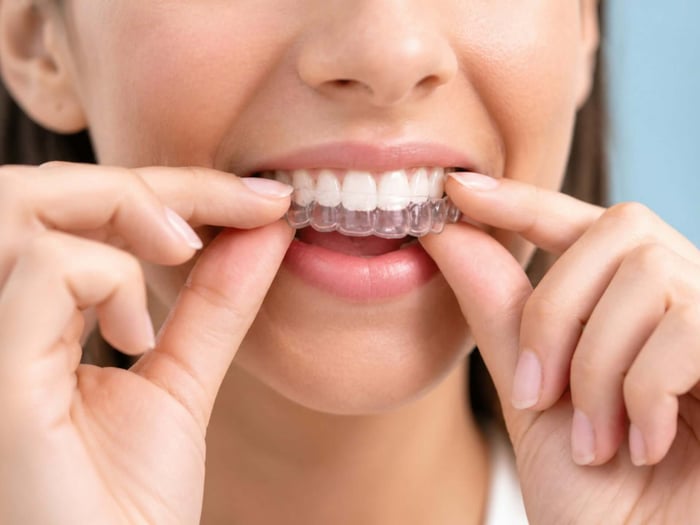
This is also a good age to build the two-minute habit. A visual timer, short song, or electric brush with a timer can help. If your child has started orthodontic treatment, such as metal braces, brush size matters even more. A smaller head can make it easier to clean around brackets and wires.
Teens and Adults
Teenagers can usually move to adult-sized brushes. Still, a medium-sized head works better than the largest options for many people. Adults with smaller mouths or tight spacing may prefer a compact adult head. It can feel easier to angle around back teeth and crowded areas.
Soft bristles remain the safest default. Extra-soft bristles may help anyone who feels gum tenderness after brushing. Handle grip becomes more important with age. Adults with arthritis or reduced hand strength may benefit from a powered brush with a wider grip.
Special Considerations for Sensitive Teeth and Gums
Sensitivity changes what you need from a toothbrush. If brushing leaves your gums sore or your teeth aching, the brush may be part of the problem. That does not mean you should brush less. It means your bristles, pressure, or technique may need a gentler approach.
Choosing a Brush for Sensitive Teeth
For people with sensitive teeth, the goal is to reduce friction at the gumline. You still need to remove plaque well. An extra-soft toothbrush can be a simple upgrade. Many people find it more comfortable right away.
Technique matters just as much as bristle type. Use light pressure and short strokes. Avoid scrubbing side to side with force. An electric toothbrush with a pressure sensor may also help. It can alert you before you press hard enough to irritate your gums.
Why Hard Bristles Can Irritate Gums
Hard bristles do not clean more thoroughly. They raise the risk of gum irritation, especially when paired with aggressive brushing. Over time, rough brushing can contribute to enamel wear and gum recession. Once gum tissue recedes, it does not grow back on its own.
People who have experienced gum disease should be especially careful. Inflamed or sensitive gum tissue can be more vulnerable to abrasion. A soft-bristled brush used gently is the safer choice. It cleans without turning brushing into a harsh routine.
Plaque Removal Without Scrubbing Too Hard
Effective plaque removal does not require force. The ADA recommends placing the toothbrush at a 45-degree angle to the gumline. Then, move the brush gently in short strokes. This helps lift plaque from above and just below the gumline.
Hard scrubbing is not more effective. It can make gums feel sore and may cause people to avoid brushing well. Short, gentle strokes are better. Pairing this technique with a soft-bristled brush protects both enamel and gum tissue.
Brushing Technique and Replacement Habits That Make a Difference
Even the right brush loses value if you use it poorly or keep it too long. Good oral hygiene depends on the tool and the habit. That means paying attention to how you brush. It also means knowing when to replace the brush or brush head.
How to Use a Gentle Brushing Technique
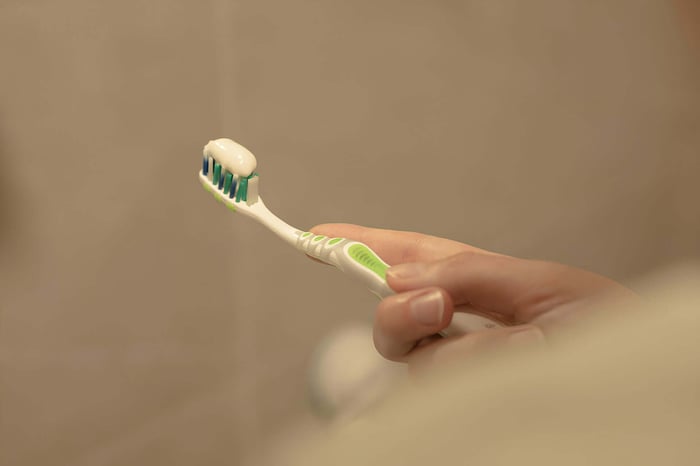
Place the toothbrush at a 45-degree angle to the gumline. Use short, gentle strokes across the outer surfaces of each tooth. Move to the inner surfaces with the same motion. Then, tilt the brush vertically to clean the inside surfaces of the front teeth.
Finish with the chewing surfaces. Take your time with the back teeth, since they are easy to miss.
The full routine should take about two minutes. If two minutes feels long, use a timer or a powered brush with alerts. Never rush the back teeth, since they are common spots for plaque and buildup.
When to Replace a Brush or Brush Head
The ADA recommends replacing your toothbrush every three to four months. Replace it sooner if the bristles look frayed, flattened, or splayed. Worn bristles do not clean as well. They may also feel rougher against gum tissue than fresh bristles.
For electric toothbrushes, the same timeline applies to replacement heads. Keeping a small stock of heads can help you stay on schedule.
After an illness, replacing the brush earlier is a reasonable habit. This can be especially helpful in households with children.
Simple Family Toothbrush Tips for the Bathroom Cabinet
Keeping a family’s brushing routine organized is easier with a few simple habits:
Store toothbrushes upright so they can air dry between uses.
Avoid closed containers for daily storage, since they can trap moisture.
Never share toothbrushes, even briefly.
Keep each brush clearly identified, especially in households with children.
Set a reminder to replace each brush every three to four months.
Keep extra brushes on hand for guests, travel, or early replacements after illness.
These small systems reduce confusion. They also make it easier to keep every brush clean, fresh, and easy to find.
A Better Brush Works Best With Regular Dental Care
Choosing the right toothbrush is one part of a larger oral health routine. What you do at home supports what a professional cleaning can accomplish. Still, brushing at home does not replace professional care. Both serve different roles.
Why Professional Cleanings Still Matter
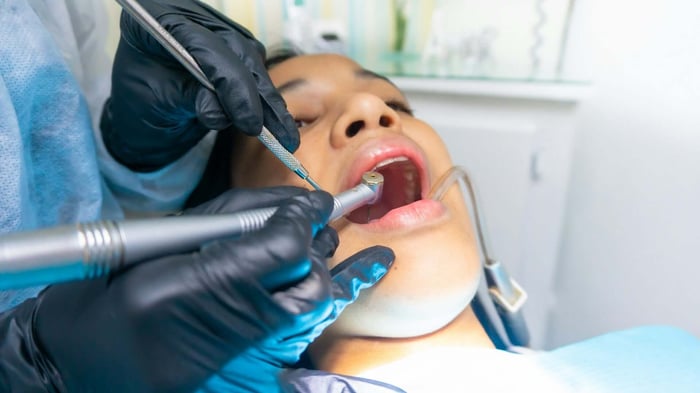
Daily brushing removes soft plaque before it hardens. It cannot remove tartar once it has built up on tooth surfaces. Only a professional cleaning can remove tartar safely. Tartar near the gumline can contribute to gum inflammation and long-term oral health problems.
Regular dental cleanings in El Segundo let your hygienist clear buildup. They also give your dental team a chance to check for early signs of decay or gum changes.
You can also get specific feedback about your brushing habits. That guidance is often more helpful than a general rule because it applies to your mouth.
Most adults benefit from a cleaning every six months. Some people managing gum disease may need more frequent visits.
When to Ask a Dentist for Personalized Guidance
If you are unsure whether your current brush is right for your gums, ask during your next visit. Questions about bristle firmness, brush size, and electric brushes are all reasonable.
A dental checkup can also help explain sensitivity or gum soreness. Sometimes the issue is technique. Other times, it may be a sign that your mouth needs closer attention.
Getting that clarity early helps you protect your oral health. It also keeps you from guessing your way through discomfort.
Frequently Asked Questions
Should I Pick a Soft, Medium, or Hard Bristle Brush for Daily Use?
Soft bristles are the right choice for almost everyone. They clean effectively while protecting gum tissue and enamel from unnecessary abrasion. Medium and hard bristles can increase the risk of gum irritation over time. That risk is higher when someone brushes with firm pressure.
When Is an Electric Toothbrush a Better Fit Than a Manual One?
An electric toothbrush is worth considering if you brush too quickly, too hard, or inconsistently. It may also help people with limited hand dexterity.
Children who resist brushing may also respond well to a built-in timer. For people with good technique and steady habits, a manual brush can still work well.
What Size and Shape of Brush Head Makes It Easier to Reach Back Teeth?
A compact or small to medium brush head usually gives you the best control. Larger heads can miss the inside surfaces of back molars.
Look for a head small enough to angle comfortably against the back corners. You should not have to press hard against your cheek to reach.
Which Handle Features Help With Grip and Control for Kids or Adults?
Children benefit from wide, thick handles that are easy to hold. Adults with arthritis or reduced hand strength may prefer a non-slip or broader grip.
Some powered toothbrushes are easier to hold for these users. The right handle should help you guide the brush without strain.
How Often Should I Replace My Toothbrush Head or Whole Brush?
Replace your toothbrush or brush head every three to four months. Replace it sooner if the bristles look splayed, flattened, or frayed.
A worn brush cleans less effectively. It may also feel rougher against gum tissue than a fresh one.
What Timer Features Are Worth Looking for in an Electric Model?
A built-in two-minute timer can help you brush long enough. A 30-second quadrant alert can also help you cover your mouth evenly.
A pressure sensor is useful if you tend to scrub. Together, these features make it easier to build a gentle brushing habit.
Your Brush Is the Foundation, But Not the Whole Story
Choosing the right toothbrush does not need to be complicated. For most people, the answer is a soft-bristled brush in the right size for their mouth.
Whether you go manual or electric comes down to your routine, grip, and comfort. The best choice is the one that helps you brush gently for two minutes, twice a day.
Your brush handles daily maintenance, but a hygienist catches what brushing alone cannot. At El Segundo Modern Dentistry & Orthodontics, the team can answer questions about brushing technique, sensitivity, and family toothbrush choices.
If it has been a while since your last visit, schedule an appointment with our team and get personalized guidance that fits your mouth.