Deciding to straighten your teeth is exciting, but it can also feel like a bigger commitment once you start asking practical questions. How many appointments will you need? How long do you wear each tray? What changes in daily life? What happens after the last aligner?
Those questions are exactly why it helps to understand the full Invisalign® treatment process before you commit. The treatment is not mysterious, but it does require planning, consistency, and follow-through.
This guide walks you through the full Invisalign® treatment process in plain language. You will learn what happens at each stage, what to expect day to day, and how clear aligners move your teeth gradually into alignment.
Key Takeaways
Invisalign® uses a series of custom-made clear aligners to shift teeth gradually into place.
Daily wear of at least 20 to 22 hours is the most important factor in keeping treatment on track.
After your last tray, a retainer is essential to help keep your teeth from shifting back over time.
Who Invisalign® Can Help and What It Treats
Common Bite and Spacing Problems Clear Aligners May Improve
Invisalign® clear aligners can address many common orthodontic concerns. They may help with gaps between teeth, crowding, mild to moderate overbite, underbite, crossbite, and open bite.
A systematic review of clear aligner accuracy notes that clear aligner systems were first used for mild to moderate crowding and spacing. Over time, continued development has expanded what they can treat in appropriate cases.
If your teeth overlap slightly, have visible spacing, or your bite feels uneven, clear aligners may be a good fit. Your provider will assess your bite, tooth position, and treatment goals before recommending a path forward.
When Braces May Still Be the Better Fit
Clear aligners are effective, but they are not the right solution for every case. Severe bite problems, significant jaw misalignment, or complex tooth rotations may still require traditional metal braces or another orthodontic approach.
The American Association of Orthodontists explains that untreated alignment issues can contribute to problems like tooth decay, gum disease, and abnormal enamel wear. That does not mean every case is urgent, but it does mean alignment is about more than appearance.
Your provider should be honest about which option gives you the best outcome. If Invisalign® is not ideal for your bite, braces may offer more control for certain movements.
Starting With a Consultation and Digital Smile Plan
What Happens at the Initial Consultation
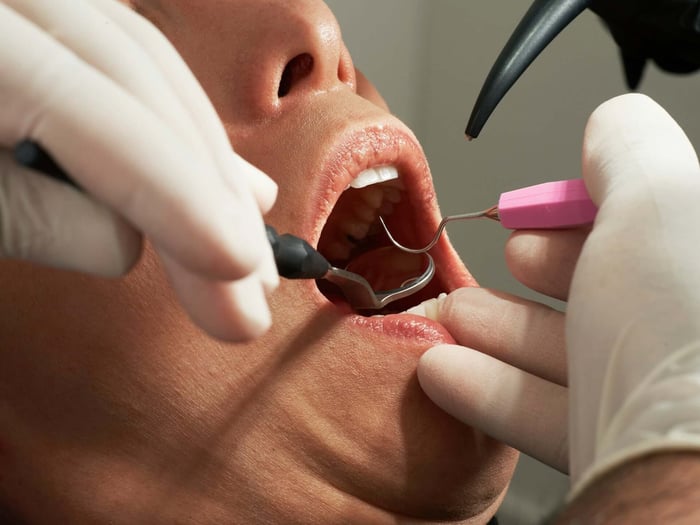
Your first orthodontic appointment is mostly about information. The provider reviews your teeth, bite, and jaw, then talks with you about your goals and options. No aligners are placed at this visit.
At El Segundo Modern Dentistry & Orthodontics, the consultation includes a thorough exam and a conversation about your timeline, concerns, and smile goals. You leave with a clearer picture of what treatment would involve.
This is also the time to ask practical questions. Cost, timing, refinements, and daily wear expectations should all be discussed before you decide.
How Digital Scans and 3D Imaging Shape the Treatment Plan
Instead of traditional putty molds, many Invisalign® providers now use digital scanning technology. A small wand captures detailed images of your teeth and creates a precise 3D model of your mouth.
That model becomes the foundation of your custom treatment plan. The software maps how your teeth need to move and how many aligners your treatment may require.
You may also be able to preview a simulation of your expected smile. This helps make the process easier to understand before the first tray is made.
Questions To Ask About Timing and Cost
Before you commit, ask your provider a few practical questions so you can plan ahead.
How many trays will my treatment include?
How long is my estimated treatment timeline?
Are refinements included if my teeth do not track perfectly?
What does the total cost include?
Are payment plans available?
Invisalign® cost varies based on complexity and the number of aligners required. Many practices offer flexible payment options to make treatment more accessible.
It is worth asking about financing at the consultation. That way, you understand the full investment before treatment begins.
How the Aligners Move Teeth Over Time
How Custom Aligners Are Made
Once your 3D scan and treatment plan are finalized, your aligners are manufactured from the digital plan. Each tray is made to fit your teeth at a specific stage of movement.
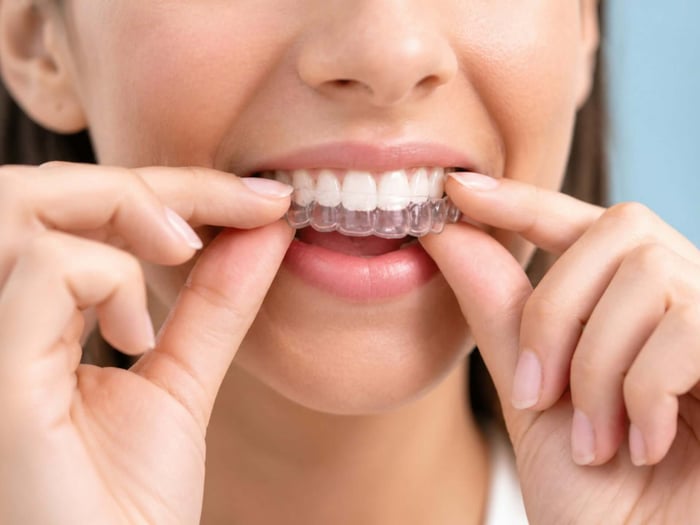
Invisalign® aligners are made from a clear thermoplastic material designed to fit snugly and apply controlled pressure. Each tray moves selected teeth slightly before you switch to the next one.
Your full set of trays is usually ready within a few weeks of your scan. When you pick them up, your provider will show you how to insert, remove, clean, and store them.
Why Tray Progression Matters for Tooth Movement
Each aligner in the series is slightly different from the last. The changes are small, but each tray is designed to move specific teeth by a planned amount.
You usually wear each set for about one to two weeks before moving to the next tray. The exact timing depends on your treatment plan and how well your teeth are tracking.
The progression is cumulative. Teeth moved early in treatment create space and position for later movements. Skipping trays or wearing them out of order can disrupt the plan.
Attachments, Refinements, and Midcourse Changes
Some patients need small tooth-colored bumps called attachments bonded to certain teeth. These give the aligners extra grip for more complex movements.
Attachments can help rotate a tooth, guide a tooth into position, or improve how the aligner fits. They are subtle and blend with your enamel.
Refinements are additional aligner sets ordered if your teeth need further adjustment after the first series. They are common and do not mean the treatment failed.
Your provider monitors your progress at check-in visits. If refinements are needed, they become part of fine-tuning the final result.
Daily Life During Treatment
How Long To Wear Trays Each Day
The most important rule of Invisalign® is wear time. The aligners need to stay in your mouth for at least 20 to 22 hours per day to work as planned.
That leaves a small window for meals, drinks other than water, and brushing your teeth. The routine is simple, but it does require consistency.
Most people adjust by building habits around meals. You take the trays out to eat, brush or rinse afterward, and put them back in right away.
Eating, Drinking, Cleaning, and Keeping Up With Routine
Unlike braces, Invisalign® does not restrict what you eat. You remove the aligners before meals, eat normally, then clean your teeth before putting them back in.
This is one of the biggest lifestyle advantages clear aligners offer over fixed brackets. It also means you need to stay organized, especially when you are away from home.
You should rinse or clean the aligners regularly to prevent buildup and odor. Drinking anything other than water while wearing them is not recommended because liquid can sit against your teeth and stain the plastic.
Keeping a travel toothbrush or small hygiene kit with you can make the routine much easier.
What Mild Pressure and Early Discomfort Usually Feel Like
When you switch to a new tray, mild pressure is common for the first day or two. This usually means the aligner is beginning the next planned movement.
The feeling is different from sharp pain. It often fades as your teeth adjust, and the tray begins to feel looser.
Stage of Treatment | What You Might Feel |
|---|---|
First 24 to 48 hours with a new tray | Mild pressure or tightness |
Days 3 through 7 | Tray feels looser as teeth adjust |
End of each tray cycle | Little to no noticeable sensation |
After refinement trays begin | Mild pressure may return briefly |
Switching trays in the evening can help. Much of the first adjustment period happens while you sleep.
Check-In Visits and What Happens if Teeth Need Fine-Tuning
Why Progress Visits Matter
Regular check-in appointments are a required part of the Invisalign® process. They are not just extra visits.
Your provider monitors whether your teeth are tracking correctly with the aligners. They also check your gum health and confirm that treatment is moving as planned.
Visits are often scheduled every six to eight weeks. They are usually brief, but they serve an important purpose.
Do not skip them, even when treatment feels like it is going smoothly. Small tracking issues are easier to correct when they are caught early.
How Providers Handle Tracking Issues
Sometimes a tray does not fit as expected, or a tooth does not move at the planned rate. This is more common than many patients realize and does not mean your treatment has failed.
Your provider may ask you to wear the current tray longer. In some cases, you may repeat a previous tray or move forward with refinement aligners.
Good tracking is partly within your control. Wearing aligners for the recommended hours each day helps. So does seating the trays correctly when your provider gives you that instruction.
What Can Affect the Overall Timeline
Invisalign® treatment for adults often takes around 12 months, but the timeline varies. Simpler cases may finish sooner, while more complex cases can take longer.
Several factors can extend treatment:
Wearing aligners fewer hours than recommended
Missing check-in appointments
Needing refinements due to tracking issues
Starting with a more complex bite concern
Your provider will give you a realistic estimate at the start. Following the plan closely is the most direct way to stay on schedule.
Invisalign® vs. Braces: How the Timelines Compare
One of the most common questions before starting orthodontic treatment is how Invisalign® stacks up against traditional braces in terms of time and day-to-day experience.
Factor | Invisalign® | Traditional Braces |
|---|---|---|
Average treatment length | 12 to 18 months | 18 to 24 months |
Suitable cases | Mild to moderate alignment issues | Mild to severe, including complex bite problems |
Dietary restrictions | None — aligners are removable | Yes — hard, sticky foods to avoid |
Visibility | Nearly invisible | Metal brackets and wires visible |
Office visits | Every 6 to 8 weeks | Every 4 to 6 weeks |
Discomfort | Mild pressure when switching trays | Soreness after tightening appointments |
After treatment | Retainer required | Retainer required |
The timelines above are general estimates. Individual cases vary, and your provider is the best source for a realistic projection based on your specific bite and alignment goals.
For many adults, Invisalign® offers a shorter treatment window combined with a more flexible daily routine. For more complex corrections, braces may be the more effective path. The right choice depends on the case, not the preference.
After the Last Tray: Retainers and Long-Term Maintenance
Why You Still Need a Retainer After Invisalign®
Finishing your last aligner tray is a milestone, but it is not the end of the process. Teeth naturally tend to shift after orthodontic treatment, especially during the first months after active movement ends.
A retainer helps hold your teeth in their new positions. The American Association of Orthodontists recommends wearing retainers as directed because long-term stability depends on consistency.
Skipping this step can put your results at risk, even if treatment went well. Retainers protect the time, effort, and investment you already made.
Vivera® and Other Retainer Options
One common post-Invisalign® option is Vivera® retainers, made by the same company that manufactures Invisalign® aligners. Vivera® retainers are custom-made clear retainers that fit over your teeth in a similar way.
Fixed retainers are another option. These are thin wires bonded behind the front teeth to help hold them in place.
Some patients use a combination of clear and fixed retainers. At El Segundo Modern Dentistry & Orthodontics, the first retainer is included in the total cost of orthodontic treatment.
Your provider will recommend the type that best fits your case and lifestyle.
Simple Habits To Look After Your New Smile
Maintaining your results long-term does not require a complicated routine. A few simple habits can protect the work you put into treatment.
Wear your retainer on the schedule your provider gives you.
Clean your retainer daily with a soft toothbrush and cool water.
Store it in its case when it is not in your mouth.
Keep up with routine dental checkups and cleanings to catch any shifting early.
Your smile is something you maintain, not something you finish. Treating your retainer as part of your oral hygiene routine is the simplest way to keep your teeth in place.
Frequently Asked Questions
What Happens at the First Invisalign® Consultation, and What Should I Bring?
Your first visit includes an exam of your teeth, bite, and jaw, plus a conversation about your goals and timeline. Bring any questions you have about cost, insurance, and how long treatment might take.
You do not need to prepare anything special. The purpose of the visit is to help you understand your options before deciding.
How Are the Clear Aligners Created, and How Long Does It Take To Receive Them?
Your provider takes digital scans of your teeth. Those scans are used to design your custom aligner series.
The trays are then manufactured and often arrive within two to four weeks of your scan appointment. Your provider will tell you what to expect for your case.
How Often Do I Need To Switch to a New Set of Aligners During Treatment?
Most patients switch to a new tray every one to two weeks. Your exact schedule depends on your treatment plan and how your teeth respond.
Your provider will give you a schedule and may ask you to confirm that each tray fits well before moving ahead.
What Is the Typical Treatment Timeline From Start to Finish for Adults?
Average Invisalign® treatment for adults often takes around 12 months. Simpler cases may finish sooner, and more complex cases may take longer.
The number of aligners in your series and your consistency with wear time are two of the biggest factors.
How Much Does Invisalign® Usually Cost, and What Payment Options Are Available?
Invisalign® cost depends on case complexity and the total number of aligners required. Some patients need short treatment, while others need a longer plan with refinements.
Many practices offer payment plans and financing. Ask your provider for a detailed breakdown at your consultation so you can plan ahead.
What Should I Expect To See in Before-and-After Results?
Progress is tracked during check-in visits, where your provider evaluates how well your teeth are following the planned movement. Digital imaging may also help compare your starting point with your expected result.
Results depend on case complexity and how closely you follow the wear schedule. Consistent aligner use is one of the most important parts of getting the outcome you want.
Your Next Step Toward a Straighter, Healthier Smile
Invisalign® works through careful planning, custom aligners, and consistent daily wear. When you understand the process from consultation to retainer, the decision feels less intimidating.
There are no mystery steps. Your provider maps the plan, your aligners guide the movement, and your retainer helps protect the result after treatment ends.
If you are ready to stop wondering and start planning, a consultation is the right first move. You can contact El Segundo Modern Dentistry & Orthodontics to schedule your Invisalign® consultation and get a personalized look at what treatment would involve.