If you have ever looked in the mirror and noticed your teeth looking more yellow or dull than you remember, you are not imagining it. Many everyday foods and drinks can stain your teeth over time. Coffee, tea, berries, tomato sauce, and red wine can all leave color behind. That does not mean you need to give them up completely. It means your daily habits matter more than you may realize.
This guide explains why tooth discoloration happens, which foods and drinks stain your teeth the most, and what you can do about it. You will also learn when home care is enough and when professional whitening or dental care may help more.
Key Takeaways
Pigments, plant compounds, and acids in everyday foods and drinks can stain teeth over time.
Rinsing with water, waiting before brushing, and keeping up with cleanings can help slow staining.
Professional teeth whitening and regular dental care can address stains that home habits cannot fully reverse.
Why Teeth Pick Up Stains So Easily
Your teeth may look solid, but enamel is slightly porous on a microscopic level. That surface can absorb color from what you eat and drink, especially when certain conditions are present. Knowing what drives the staining process makes it easier to protect your smile without turning every meal into a rulebook.
How Chromogens, Tannins, and Acidity Affect Enamel
Chromogens are intensely pigmented molecules found in many foods and drinks. They bond to tooth enamel and are one reason dark-colored drinks can leave a lasting color change. Tannins are plant-based compounds found in tea, red wine, and coffee. They can make it easier for pigments to stick to enamel, which is why drinks high in both tannins and chromogens often cause more noticeable staining. Acidity adds another layer; acidic foods and drinks can temporarily soften enamel, which may make it easier for pigments to cling to the tooth surface.
The Difference Between Extrinsic Stains and Intrinsic Stains
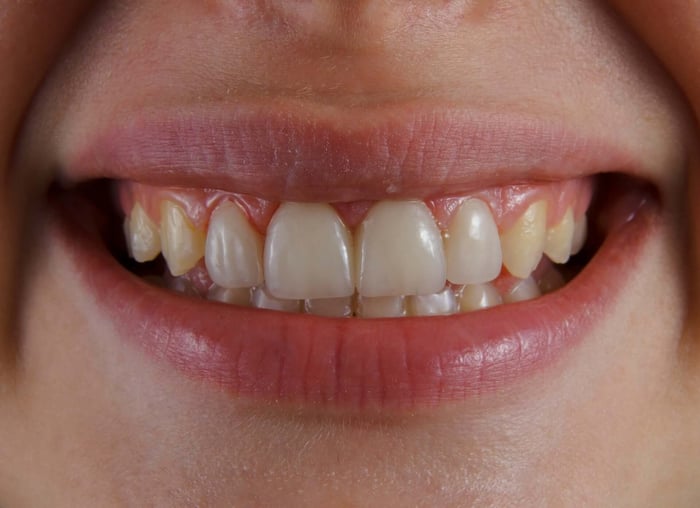
Extrinsic stains form on the outer surface of the tooth and often come from pigmented foods, drinks, and tobacco products. These stains are usually the most responsive to professional cleaning and whitening treatments, and they are also the type most connected to everyday diet habits. Intrinsic stains are deeper: they begin inside the tooth, in the dentin layer beneath the enamel. Causes may include certain medications, excess fluoride exposure during tooth development, or trauma to a tooth. Most diet-related discoloration is extrinsic, which means consistent oral hygiene and professional care can make a real difference.
What Causes Yellow Teeth Beyond Food and Drinks
Diet is a major factor in tooth discoloration, but it is not the only one. Enamel naturally thins with age, allowing the yellowish dentin underneath to show through more visibly. Some medications and dry mouth can also contribute to yellowing, since reduced saliva flow means pigments and acids sit on the teeth longer. If discoloration does not seem connected to your diet, mention it at your next dental checkup in El Segundo. A dentist can help identify whether the color change is from surface stains, enamel wear, restorations, or something deeper.
The Biggest Foods and Drinks That Stain Your Teeth
Not every colorful food or drink is a problem. The biggest staining risks usually combine strong pigment, acidity, frequent exposure, or all three. Here is a practical look at the everyday items most likely to affect your smile.
Coffee, Tea, Red Wine, and Dark Drinks
Coffee is one of the most common drinks that stain teeth. Its dark pigments, tannins, and mild acidity make it more likely to leave color behind with daily use. Black tea can stain teeth too, sometimes more noticeably than coffee because of its tannin content. Red wine combines dark pigments, tannins, and acidity, which makes it another common source of discoloration. Dark sodas, cola, sports drinks, and energy drinks can also affect enamel: some contribute through pigment, while others contribute mostly through acidity.
Berries, Tomato Sauce, Curry, and Dark Condiments
Some of the healthiest foods in your diet can still stain your teeth. That does not make them bad: it just means you may want to rinse with water afterward. Common foods that stain teeth include blueberries, blackberries, and pomegranate, which contain strong natural pigments; tomato sauce and ketchup, which are both acidic and deeply colored; curry and turmeric, which carry bright yellow pigments; soy sauce and balsamic vinegar, which are dark and acidic; and beets, which have some of the strongest natural pigments in common foods. The effect depends on frequency: a bowl of berries now and then is different from daily exposure without rinsing or brushing later.
Why Acidic Drinks Can Make Staining Worse
Soda does not stain teeth through color alone. Even light-colored sodas can be acidic, and acidity can make enamel more vulnerable to staining. Sports drinks, energy drinks, citrus drinks, and flavored waters may have the same issue. Repeated acid exposure can weaken enamel over time, which makes stains easier to pick up and harder to manage. The larger issue is not any single drink: it is frequent sipping throughout the day, especially without water breaks.
Staining Risk at a Glance
Not all staining foods and drinks carry the same risk. The combination of pigment intensity, tannin content, and acidity determines how much of an impact each one tends to have over time.
Food or Drink | Staining Risk | Main Reason |
|---|---|---|
Black tea | High | High tannins + pigment |
Red wine | High | Pigment + tannins + acidity |
Coffee | High | Pigment + tannins + mild acidity |
Beets | High | Intense natural pigment |
Blueberries and blackberries | High | Strong natural pigment |
Tomato sauce | Moderate–High | Acidity + deep color |
Curry and turmeric | Moderate–High | Bright yellow pigment |
Balsamic vinegar and soy sauce | Moderate–High | Dark color + acidity |
Cola and dark sodas | Moderate | Pigment + acidity |
Sports and energy drinks | Moderate | Acidity (even light-colored ones) |
White wine | Moderate | Acidity softens enamel for other stains |
Green tea | Low–Moderate | Some tannins, less pigment than black tea |
Light herbal teas | Low | Minimal tannins and pigment |
Water and milk | Minimal | No staining compounds |
Higher risk does not mean you need to eliminate these from your diet. It means rinsing, timing your brushing, and staying consistent with professional cleanings matters more for these items than for others.
Simple Daily Habits That Help Prevent New Stains
Prevention is easier than correction. A few consistent habits can slow how quickly pigments settle onto enamel and keep your smile looking cleaner between visits. The goal is not perfection; it is to reduce contact time between staining compounds and your teeth.
When To Rinse, Brush, and Wait After Staining Foods
Rinsing your mouth with water after staining foods or drinks is one of the simplest protective steps, as it helps wash away pigment before it settles. Brushing timing matters too: brushing immediately after acidic foods or drinks can be rough on temporarily softened enamel. A better habit is to rinse with water first, then wait about 30 minutes before brushing. The National Institute of Dental and Craniofacial Research recommends brushing twice a day with fluoride toothpaste, and that daily consistency helps manage plaque, which can trap stain-causing pigments.
How To Drink Smarter With Water and a Straw
Drinking staining beverages through a straw can reduce contact with the front teeth. It will not eliminate exposure, but it can help; and it is especially practical for iced coffee, iced tea, dark juices, and sports drinks. Alternating sips of water also helps rinse away pigments while you drink, and finishing a staining meal or beverage with a glass of water is a small habit that adds up over time.
How Oral Hygiene Habits Help Keep Surface Stains From Building Up
Plaque acts like a trap for staining compounds, so when plaque builds up, pigments from food and drinks can cling more easily. Consistent brushing and daily flossing keep plaque levels lower, and regular professional teeth cleanings can also remove surface stains before they become more noticeable.
Habit | Why It Helps | Best Timing |
|---|---|---|
Rinse with water after staining foods | Helps wash away pigment | Right after eating or drinking |
Wait before brushing after acidic drinks | Helps protect softened enamel | About 30 minutes later |
Use a straw for dark cold drinks | Reduces contact with front teeth | While drinking |
Floss daily | Removes plaque between teeth | Once daily |
Drink water throughout the day | Helps clear pigments and acids | Anytime |
When At-Home Care Is Enough and When Professional Care Helps More
Daily habits and over-the-counter products can help, but they have limits. Some stains respond well to better home care. Others need professional cleaning, whitening, or cosmetic treatment. Understanding those limits helps you choose the right next step.
What Professional Dental Cleaning Can Remove
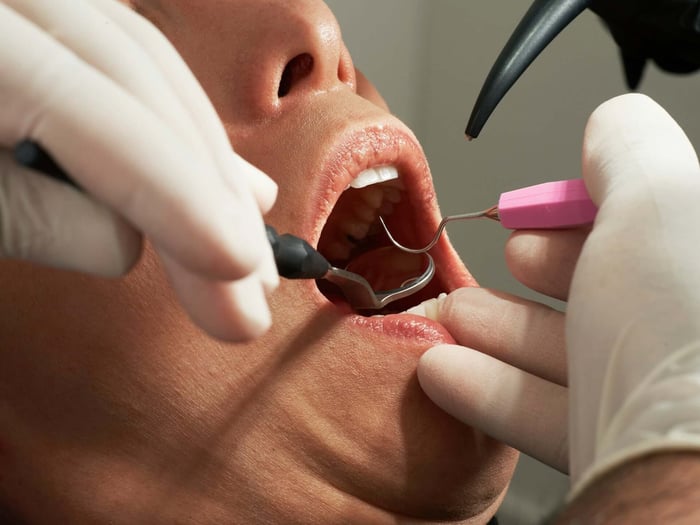
A professional cleaning does more than polish your teeth. The hygienist removes tartar, which is hardened plaque that cannot be brushed away at home.
Tartar creates a rougher surface where pigments can collect, so removing it can make your teeth look cleaner and help slow future staining. Professional polishing can also lift many surface stains. For some patients, a cleaning noticeably brightens the smile even without whitening treatment.
How Dental Checkups Help Catch Staining and Enamel Wear Early
Staining and enamel thinning can happen together, and as enamel wears down, teeth may look more yellow because the dentin underneath becomes more visible.
A dentist can spot these changes during an exam, which matters because whitening is not always the right answer for every type of discoloration. If your teeth seem to stain faster than before, bring it up: early guidance can help you avoid wasting money on products that do not match the cause.
Where Whitening Toothpaste Fits In
Whitening toothpaste can help with mild surface staining through gentle polishing agents or ingredients that help break up surface pigment, but the key word is surface.
Whitening toothpaste will not change deeper discoloration or dramatically whiten teeth that have been stained for years. It can be useful for maintenance, especially after a professional cleaning or whitening treatment, but it should not replace regular dental care.
How Teeth Whitening Fits In After Stains Have Set In
Once stains move beyond what home habits and cleanings can address, professional whitening may help. It is not permanent, but it can make a meaningful difference, and the best results usually happen when the discoloration is on natural enamel and comes from everyday foods and drinks.
Who May Benefit From Professional Teeth Whitening
Adults with surface staining from coffee, tea, wine, or food are often good candidates for professional whitening. Treatment uses a peroxide-based whitening agent to break apart stain compounds in the enamel, and professional whitening is usually more predictable than store-bought options.
It also allows your dentist to consider sensitivity, restorations, and your starting shade. Patients with existing crowns, veneers, or bonding should ask first, since whitening works on natural enamel and will not change the color of restorations.
In-Office Whitening vs. Whitening Trays
In-office whitening is done at the dental office with professional-strength whitening gel and is often chosen by patients who want faster visible results.
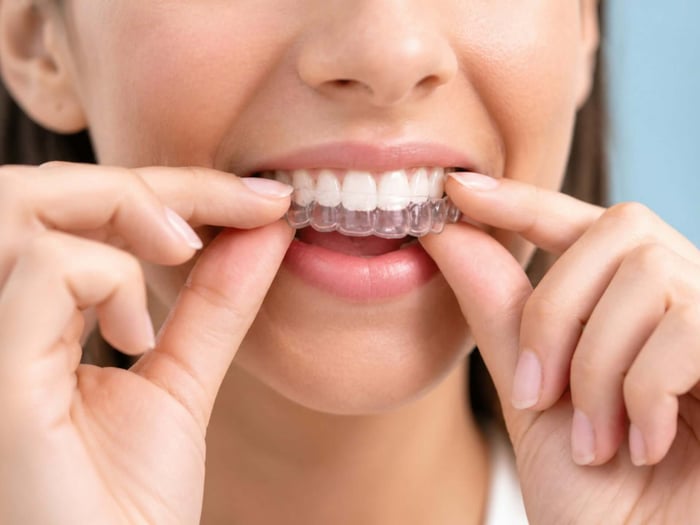
Custom whitening trays are made to fit your teeth and are used at home with professional gel, working more gradually and fitting more easily into a busy schedule. Both options can be effective, and the better choice depends on your sensitivity, timeline, goals, and dentist's recommendation.
When Discoloration May Need More Than Whitening
Some discoloration does not respond well to whitening: this can include intrinsic stains, gray tones from past trauma, or yellowing caused by enamel thinning. In these cases, cosmetic options such as porcelain veneers may create a more even appearance. A dentist can explain whether whitening, veneers, or another option makes more sense. El Segundo Modern Dentistry & Orthodontics offers consultations to help you understand the cause of discoloration and choose a path without pressure.
Frequently Asked Questions
Which Everyday Drinks Are Most Likely To Stain Teeth?
Coffee, black tea, and red wine are among the most common drinks that stain teeth. Their pigments, tannins, and acidity can leave color behind with repeated exposure. Dark sodas, sports drinks, and energy drinks may also increase staining risk, especially when sipped frequently.
What Foods Tend To Leave Yellow or Brown Stains on Enamel?
Berries, tomato-based sauces, curry, turmeric, balsamic vinegar, soy sauce, and beets are common staining foods. Many are healthy, so you do not need to avoid them completely. Rinsing with water after eating can help reduce how much pigment stays on the enamel.
How Can I Reduce Coffee and Tea Staining Without Giving Them Up?
Use a straw for iced coffee or tea when practical. Rinse with water afterward, and avoid sipping slowly for hours. Brush consistently, but wait about 30 minutes after acidic drinks before brushing. Regular cleanings also help remove buildup before stains look darker.
After Teeth Whitening, What Foods and Drinks Should I Avoid at First?
The first 24 to 48 hours after whitening are often treated as a higher-risk window for new stains. During that time, many dentists recommend avoiding coffee, tea, red wine, dark sauces, berries, and heavily pigmented foods. Choose lighter-colored foods and water during that short window to help protect your results.
What Are Good Non-Staining Foods After Whitening?
Light-colored foods are usually safer right after whitening. Examples include rice, pasta with light sauces, eggs, bananas, plain yogurt, cauliflower, white cheese, and plain crackers. A simple guideline is to avoid foods or drinks that would stain a white shirt during the first day or two.
Are There Hot Drinks That Are Less Likely To Stain Teeth?
Light herbal teas and white tea are usually less likely to stain than black tea or coffee. Chamomile and peppermint tea are common gentler options. Adding milk to coffee or tea may slightly reduce staining potential, but it will not remove the risk completely.
Keep the Foods You Love, Protect the Smile You Have
Foods and drinks that stain your teeth are part of everyday life. Coffee, tea, berries, sauces, and spices do not need to disappear from your routine.
The goal is to lower how long pigments and acids stay on your enamel: rinsing with water, timing your brushing, staying consistent with cleanings, and asking about whitening when stains set in can all help.
El Segundo Modern Dentistry & Orthodontics offers professional teeth whitening in El Segundo along with routine cleanings and comprehensive care. You can request an appointment online to talk through the best option for your smile.
Medically Reviewed by
Dr. Hamid Barkhordar, orthodontist at El Segundo Modern Dentistry & Orthodontics. USC School of Dentistry graduate, Harvard School of Dental Medicine (orthodontics). Invisalign® Diamond+ Provider. Learn more about Dr. Hamid.