Trying to decide between dental bonding and veneers can feel confusing. Both options can improve chips, gaps, discoloration, and uneven edges. Both can also create natural-looking results when they are matched to the right concern.
Here is the simplest way to start: bonding is usually better for small, lower-cost repairs, while veneers are usually better for larger cosmetic changes that need longer-lasting stain resistance. That does not mean one is always better than the other. It means the right choice depends on your teeth, your goals, your enamel, your bite, and your budget.
This bonding vs veneers comparison breaks down both treatments in plain language. You will find a side-by-side table, a clear look at how each procedure works, and guidance on which concerns each option treats best.
Key Takeaways
Dental bonding is faster and more affordable, while porcelain veneers usually last longer and resist stains better.
The right choice depends on how much change you want, your budget, and how your teeth look now.
A cosmetic dentist should guide the final decision, since some concerns involve more than appearance.
Quick Side-By-Side Bonding vs Veneers Comparison
Before going deeper into each treatment, it helps to see the key differences at a glance. Bonding and veneers both fall under cosmetic dentistry, but they solve different problems.
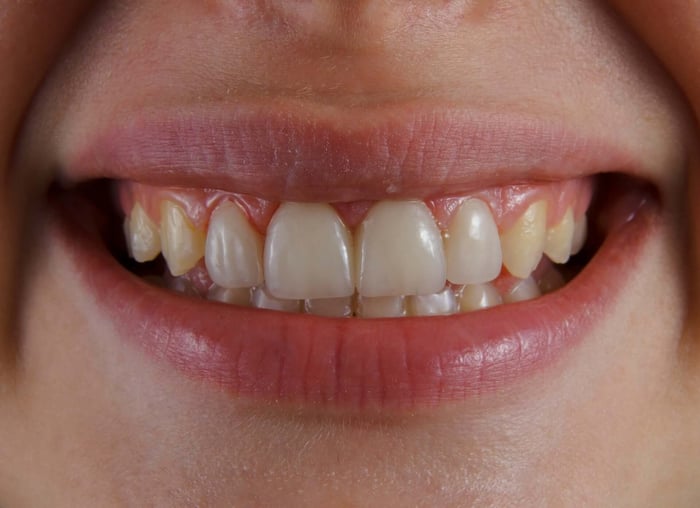
Dental bonding usually fits smaller repairs, like a chip, tiny gap, or uneven edge. Porcelain veneers usually fit broader cosmetic changes, especially when several front teeth need a more uniform color, shape, or size.
How They Differ in Cost, Durability, and Time
Factor | Dental Bonding | Porcelain Veneers |
|---|---|---|
Cost per tooth | Lower, typically $200 to $600 | Higher, typically $900 to $2,500 |
Procedure time | Usually one appointment | Usually two to three appointments |
Lifespan | 3 to 10 years with care | 10 to 20 years with care |
Stain resistance | Moderate | High |
Enamel removal | Minimal to none | Small amount required |
Reversibility | Generally reversible | Not fully reversible |
Best for | Small chips, minor gaps, modest changes | Larger shape changes, severe staining, smile uniformity |
Porcelain veneers tend to cost more per tooth, and the process usually involves multiple visits. Bonding can often be completed the same day.
That speed and lower cost make bonding appealing if you want a modest improvement without a large commitment. Veneers may be a better fit when you want a more uniform change across several front teeth.
What the Comparison Table Should Help You Decide
The table is not meant to declare a winner. It is meant to help you see which treatment fits your actual concern.
If you have one chipped tooth, bonding may be the practical choice. If you want a broader smile transformation across several teeth, veneers may provide more consistent results.
Your lifestyle matters too. If you drink a lot of coffee or tea, porcelain’s stain resistance may be worth the added cost. If you want a low-commitment option first, bonding gives you more flexibility.
How Dental Bonding Works
Dental bonding uses a tooth-colored composite resin to reshape, repair, or cover minor imperfections. The material is applied directly to your tooth, shaped by hand, and hardened with a curing light.
Bonding usually works best for smaller cosmetic changes. It is often used when one or two teeth need attention, rather than when someone wants to redesign the whole visible smile.
What Composite Resin Is Used For
Composite resin is a durable, tooth-colored material that blends with natural enamel. It is also used in tooth-colored composite fillings, so it has a long history in everyday dental care.
In bonding, the resin can cover chips, close small gaps, lengthen a short tooth, or improve the color of one tooth. Because it is applied directly, the shade can be matched to nearby teeth.
This makes bonding especially useful when only one or two teeth need attention. It can create a subtle improvement without changing the whole smile.
The Dental Bonding Process Step by Step
The bonding procedure is usually straightforward. Your dentist lightly conditions the tooth surface so the resin can attach securely.
Then, the composite is placed, shaped, and smoothed. A curing light hardens it in place. After that, your dentist polishes the surface so it blends naturally.
Most bonding appointments take about 30 to 60 minutes per tooth. Little to no enamel removal is needed. Anesthesia is rarely required unless decay or sensitivity is involved.
Research on direct composite veneers notes that modern composite materials can closely mimic natural dental tissue. That is one reason bonding can create natural-looking results in a single appointment.
When Bonding Makes Sense for Small Changes
Bonding works best when the change you want is minor. A slightly chipped front tooth, a small gap, or a discolored spot can often improve with bonding.
It is also a practical first step if you are not sure how much cosmetic work you want. Since bonding usually does not require enamel removal, it does not permanently alter the tooth in the same way veneers do.
That flexibility can be reassuring. You can improve a small concern now and still keep other options open later.
How Veneers Change the Look of Teeth
Porcelain veneers are thin ceramic shells made to fit over the front surface of teeth. They are bonded in place and designed to improve the visible shape, color, and symmetry of your smile.
Veneers are often used when someone wants a more noticeable change across several front teeth. In a bonding vs veneers decision, veneers usually make more sense when the goal is long-term uniformity rather than a small repair.
Porcelain Veneers and Other Veneer Materials
Porcelain is the most common veneer material because it reflects light in a way that resembles enamel. It also resists stains better than composite resin.
Some practices offer composite veneers. These are made from the same resin used in bonding and can be completed more quickly. They usually do not last as long as porcelain.
Porcelain veneers are fabricated from impressions or digital scans taken at your first appointment. The final restorations are made to fit your teeth and blend with the surrounding smile.
The Veneer Process From Planning to Placement
The veneer process usually takes two to three appointments. At the first visit, your dentist plans the shape, shade, and overall look.
Your teeth may be prepared, and impressions or digital scans are taken. Temporary veneers may be placed while the final veneers are made.
At the placement visit, the custom veneers are bonded into place. Your dentist checks the fit, bite, and appearance before finalizing them.
Research on digital workflows for esthetic veneers shows that modern planning can account for tooth shape, symmetry, and proportion before treatment begins. That planning supports a more predictable result.
Why Tooth Preparation Matters
To place a veneer, a thin layer of enamel is usually removed from the tooth surface. This amount is small, often around 0.3 mm to 0.7 mm, but it is permanent.
Once enamel is removed, that tooth will continue to need a restoration. This is why the veneer decision carries more weight than bonding.
Veneers can be a strong option when they fit the case well. They also require careful planning, because the treatment is not fully reversible.
Which Concerns Each Option Treats Best
Both treatments can improve the look of your smile, but they are not equally suited to every concern. Knowing the difference helps you have a more useful conversation with your dentist.
Chips, Gaps, and Uneven Edges
Bonding is often a good fit for small chips on front teeth, minor gaps, and slightly uneven edges. It can be shaped quickly and matched to the rest of your tooth.
For a single chipped tooth, bonding is often the most practical and affordable choice. It can repair the visible issue without changing nearby teeth.
Veneers are better suited when several front teeth have uneven edges or shape concerns. They can create more consistency because each veneer is custom-made as part of a larger plan.
Discoloration, Shape Changes, and Smile Uniformity
Some discoloration responds well to professional whitening, but not all of it does. Staining from certain medications, fluorosis, or internal tooth changes may resist whitening.
In those cases, veneers can provide stronger coverage. Porcelain does not absorb color the way natural enamel or composite resin can.
Bonding can also cover discoloration, especially on one tooth. However, composite resin is more porous than porcelain and may stain over time.
If uniform, lasting brightness across several front teeth is the goal, veneers often provide more consistent results.
When Teeth Whitening or Another Treatment May Be Enough
Not every cosmetic concern requires bonding or veneers. If your main issue is surface staining, professional teeth whitening may be enough.
Whitening is less invasive and costs less than veneers. It can also improve the overall appearance of your smile when discoloration is external.
A dentist should evaluate your teeth before you choose bonding, veneers, or whitening. Some concerns have a functional cause, such as bite issues, worn enamel, or gum changes.
Long-Term Upkeep, Longevity, and Lifestyle Fit
The right cosmetic treatment is not only about how it looks on the day you leave the office. It is also about how well it fits your habits, maintenance needs, and budget.
How Long Each Option Commonly Lasts
Dental bonding often lasts 3 to 10 years before it needs a repair or replacement. The range depends on where the bonding is placed and how much biting force it handles.
Bonding on front teeth that are not used for heavy chewing may last longer. Bonding on edges that take more pressure may need attention sooner.
Porcelain veneers commonly last 10 to 20 years with proper care. They are lab-made and bonded with specialized dental materials, which helps them resist chips and stains better than composite resin.
Daily Habits That Affect Appearance and Wear
Bonding is more vulnerable to everyday habits. Nail-biting, chewing on pens, biting hard foods, or grinding your teeth can chip or wear down composite resin.
Coffee, tea, and red wine can also stain bonding over time. Regular polishing during routine dental cleanings can help maintain its appearance.
Porcelain veneers resist stains better, but they are not damage-proof. Grinding can crack them, and very hard foods can still cause problems.
If you grind your teeth, a nightguard may help protect either option. This is especially important if you invest in veneers.
How Maintenance Can Shape Total Value Over Time
Bonding costs less upfront, but it may need more frequent repairs. Over 15 to 20 years, touch-ups can narrow the cost difference.
Veneers involve a larger initial investment. For some patients, the longer lifespan and lower stain risk make that investment feel worthwhile.
Total value depends on your teeth, bite, habits, and goals. A dentist can help you estimate what maintenance may look like for your specific case.
When a Dentist Should Guide the Final Choice
Online comparisons can help, but they cannot show your enamel, bite, gum health, or the reason a tooth looks darker. That is why a dentist should guide the final choice.
This does not mean you need to arrive uninformed. It means your research should support the consultation, not replace it.
Signs the Decision Is Not Just Cosmetic
Some concerns that look cosmetic are connected to oral health. A chip may expose dentin and cause sensitivity. Gaps can affect how you bite or clean between teeth.
Discoloration on one tooth can sometimes point to a deeper issue inside the tooth. Gum inflammation can also affect whether cosmetic work will hold up well.
Before treatment, a thorough exam helps confirm that your teeth and gums are healthy enough. If periodontal concerns or decay are present, those should be addressed first.
A cosmetic treatment placed over an unhealthy foundation may not last the way it should.
Questions to Ask at a Cosmetic Consultation
Going into a consultation with good questions helps you get more useful answers. Consider asking:
Which option fits my specific teeth and concerns better?
How much enamel would need to be removed for veneers?
How long can I realistically expect bonding to last?
Would whitening address my concern, or do I need a restoration?
What does the full cost look like, including future maintenance?
These questions help your dentist explain the reasoning behind a recommendation. That matters more than simply naming a treatment.
How a Personalized Plan Supports a Natural Result
Cookie-cutter cosmetic work can look obvious. The most natural-looking results come from a plan that accounts for your tooth size, lip line, facial proportions, and existing tooth color.
A skilled cosmetic dentist thinks about how one bonded tooth or a set of veneers will blend with everything around it. That is especially important when only some front teeth are being treated.
At El Segundo Modern Dentistry & Orthodontics, cosmetic consultations are designed to give you clear explanations and a plan that fits your goals, teeth, and budget. You can learn more about Dr. Hamid's background and approach to understand what goes into that planning process.
Frequently Asked Questions
How Can I Compare Bonding and Veneer Results Before Deciding?
Bonding can blend well with nearby teeth, though it may show slight color changes as the resin ages. Veneers often look more uniform across several teeth and tend to keep their color longer.
A smile gallery or patient results page can help you understand what each option may look like in real life.
Which Option Is Usually More Affordable?
Dental bonding usually costs less per tooth than porcelain veneers. The final price depends on how many teeth are treated, the complexity of the work, and your goals.
Veneers cost more upfront, but they usually last longer. Payment options and financing can help make cosmetic care more manageable.
How Long Does Each Option Usually Last?
Bonding commonly lasts 3 to 10 years. Porcelain veneers can last 10 to 20 years with proper maintenance.
Daily brushing, regular cleanings, and avoiding habits like nail-biting or chewing hard objects can help both options last longer.
What Are the Main Pros and Cons if I Want a Small Change?
Bonding is the lower-commitment option. It costs less, often requires little to no enamel removal, and can usually be completed in one visit.
The trade-off is that bonding may stain or chip sooner than veneers. Veneers offer more durability and stain resistance, but they require permanent enamel preparation.
What Does the Appointment Process Feel Like?
Bonding appointments are usually quick and require little preparation. Veneer appointments involve more planning and usually take multiple visits.
Modern tools and gentle technique help keep both processes manageable. If you feel anxious, asking about sedation options before your appointment can help.
Can Chips, Stains, or Uneven Edges Be Fixed Later?
Yes. Bonding can often be repaired, polished, or replaced if it chips or stains.
Porcelain veneers can also be repaired or replaced, though the process is more involved. Regular dental checkups help your dentist catch early wear before it becomes a larger issue.
Choose the Option That Fits Your Smile, Not Someone Else’s
Choosing between bonding and veneers does not have to be stressful. Bonding is often the better fit for small, lower-cost changes. Veneers may be the better fit when you want a more durable and uniform change across several visible teeth.
The right answer still depends on your mouth, not only on a comparison chart. Your enamel, bite, gum health, habits, and long-term goals all matter. A consultation can help you sort through those details without guessing.
El Segundo Modern Dentistry & Orthodontics offers cosmetic consultations in a welcoming, no-pressure environment. Schedule your visit today and get clear guidance for a healthy, confident smile.