You finally achieved a brighter smile, only to notice a sharp twinge when you drink cold water or step outside on a cool morning. If that sounds familiar, you're not alone. Tooth sensitivity after whitening is one of the most common concerns people experience after using whitening products or receiving professional whitening treatment.
The good news is that this sensitivity is usually temporary. In most cases, it improves within a few days and does not mean anything has gone wrong. Understanding why it happens and knowing how to manage it can help you feel more confident about whitening now and in the future.
This guide explains the causes of whitening sensitivity in plain language, practical ways to reduce discomfort, and the signs that may warrant a call to your dentist.
Key Takeaways
Tooth sensitivity after whitening is common and usually temporary.
Both at-home and professional whitening can cause sensitivity because whitening agents reach deeper layers of the tooth.
Simple steps before, during, and after treatment can make the experience more comfortable.
Persistent or severe discomfort should be evaluated by a dental professional.
Why Teeth Become Sensitive After Whitening
The Whitening Process Reaches Below the Surface
Most whitening products use peroxide-based ingredients to remove stains from teeth. Whether you use strips, trays, or professional whitening treatments, the active ingredient works by breaking apart stain molecules within the tooth structure.
As the whitening ingredient moves through the enamel, it can temporarily increase the tooth's sensitivity. This reaction is part of the whitening process itself and explains why some people notice discomfort shortly after treatment.
According to the California Dental Association, both professional and at-home whitening systems rely on similar peroxide chemistry, although concentrations and application methods vary.
Understanding Dentin and Tooth Sensitivity
Under the enamel is a layer called dentin. Dentin contains tiny channels that connect to the nerve inside the tooth.
When whitening ingredients reach these channels, the nerve may become more responsive to temperature changes and pressure. This can create the quick, sharp sensations often described as "zingers."
People with naturally sensitive teeth, thinner enamel, gum recession, or exposed root surfaces may notice stronger reactions because the protective barrier between the whitening gel and the nerve is reduced.
Why Some People Feel More Sensitivity Than Others
Not everyone experiences whitening sensitivity the same way.
Several factors can influence how your teeth respond:
Existing tooth sensitivity
Enamel wear
Gum recession
Whitening concentration
Length of treatment
Frequency of whitening sessions
Research published in the CDA Journal identifies tooth sensitivity as the most frequently reported side effect of peroxide-based whitening treatments.
At-Home vs Professional Whitening
How At-Home Products Affect Sensitivity
Whitening strips, whitening pens, and tray systems often contain lower concentrations of peroxide than professional treatments.
While lower concentrations may seem gentler, sensitivity can still occur. In some situations, repeated use over many days can create discomfort similar to a stronger in-office session.
Following directions carefully is important. Leaving products on longer than recommended does not usually improve results but can increase irritation.
Why Professional Whitening May Feel Different
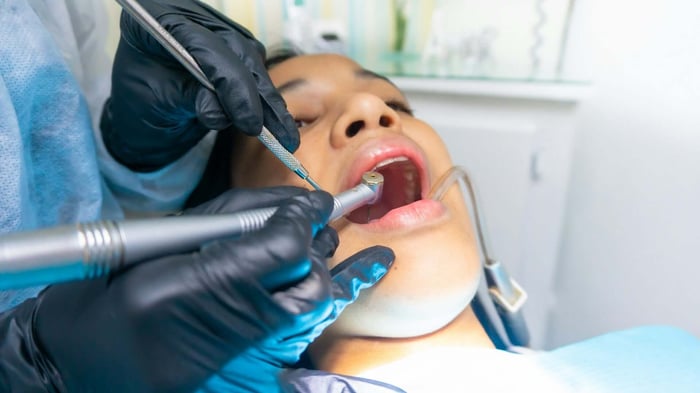
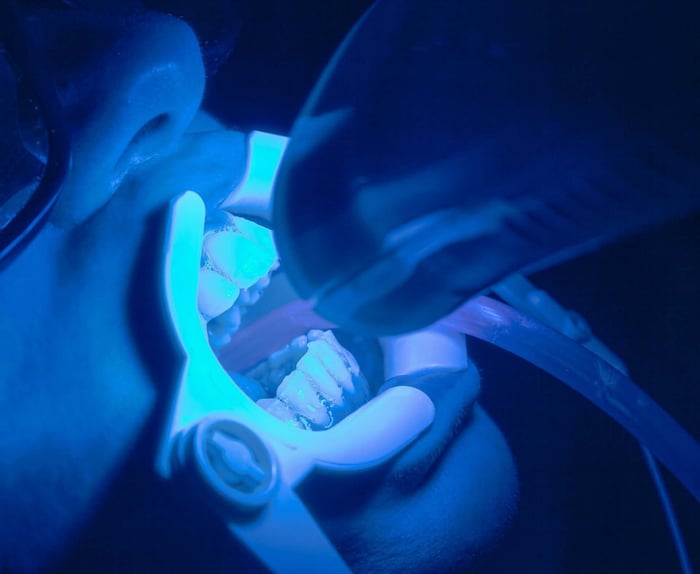
Professional whitening treatments often use stronger whitening agents under controlled conditions. Because the whitening process happens more quickly, some patients notice stronger sensitivity during the first day after treatment.
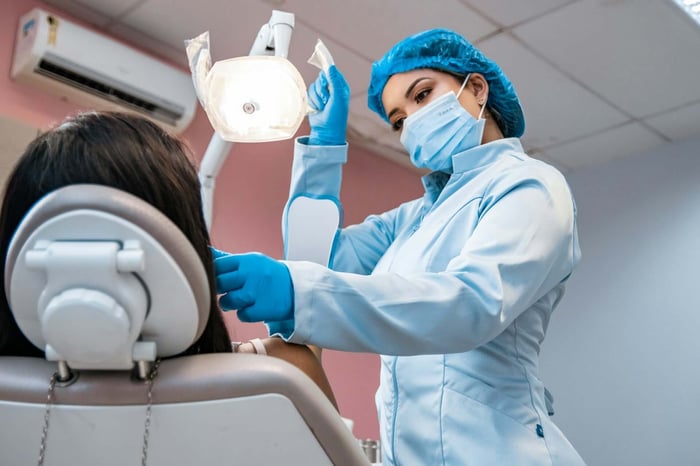
The benefit of professional treatment is supervision. A dentist can adjust the whitening approach based on your oral health, previous sensitivity, and treatment goals.
Protective barriers and desensitizing products may also be used to make treatment more comfortable.
The Value of Professional Evaluation
One advantage of professional teeth whitening is that underlying issues can be identified before treatment begins.
A dentist can look for:
Gum recession
Enamel wear
Cracked teeth
Cavities
Existing sensitivity concerns
Addressing these issues beforehand can help reduce discomfort and support a more comfortable whitening experience.
For patients considering professional teeth whitening, a consultation helps determine the most appropriate approach for their specific needs.
Practical Ways to Reduce Whitening Sensitivity
Before Whitening
Preparation often makes a significant difference.
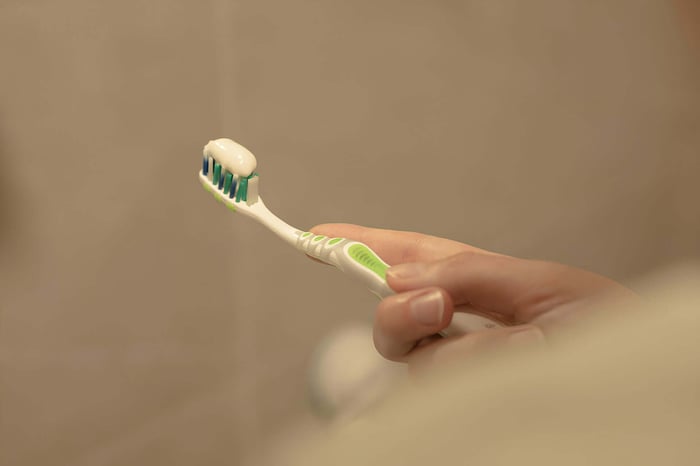
If you already have sensitive teeth, consider using a sensitivity toothpaste for two weeks before whitening. Ingredients such as potassium nitrate and fluoride may help reduce nerve responsiveness.
Scheduling a dental examination before whitening is also helpful. Existing dental concerns can make whitening discomfort more noticeable.
During Whitening
Small adjustments can help minimize irritation.
Best practices include:
Follow all treatment instructions carefully.
Avoid extending whitening times.
Remove excess whitening gel promptly.
Use properly fitted trays when applicable.
Take breaks between whitening sessions if recommended.
Helpful Habits During Treatment
Habit | Benefit |
|---|---|
Follow recommended wear times | Reduces unnecessary exposure |
Keep gel away from gums | Minimizes tissue irritation |
Use a soft-bristled toothbrush | Protects sensitive enamel |
Take breaks between sessions | Allows teeth to recover |
Use sensitivity toothpaste | Helps reduce discomfort |
After Whitening
The first 24 to 72 hours are often when sensitivity is most noticeable.
During this period:
Choose room-temperature foods and drinks.
Avoid very hot beverages.
Limit very cold foods.
Reduce acidic foods temporarily.
Continue using sensitivity toothpaste.
These simple steps often help make recovery more comfortable while your teeth return to normal.
What Is Normal and What Is Not?
Symptoms That Are Usually Expected
Most post-whitening sensitivity falls within a normal recovery range.
Common experiences include:
Mild tenderness
Brief sensitivity to cold drinks
Occasional sharp twinges
Temporary gum irritation
These symptoms typically improve within two to three days.
Signs That Deserve a Call to the Dentist
Although sensitivity is common, some symptoms should not be ignored.
Contact your dentist if you experience:
Pain lasting longer than 72 hours
Severe discomfort
Swelling
Significant gum changes
Pain that continues to worsen
Persistent throbbing
According to the American Association of Endodontists, lingering pain after temperature exposure may indicate an issue beyond routine whitening sensitivity.
When One Tooth Hurts More Than the Others
General sensitivity across multiple teeth is common after whitening.
However, one tooth that feels dramatically different from the rest deserves attention.
Localized sensitivity can sometimes be associated with:
Small cracks
Existing restorations
Early decay
Structural tooth concerns
A professional evaluation can help determine whether the sensitivity is part of normal recovery or something that requires treatment.
Choosing Future Whitening Treatments More Carefully
If you experienced sensitivity during a previous whitening treatment, that does not necessarily mean you need to avoid whitening altogether.
Instead, it may be helpful to discuss:
Lower whitening concentrations
Shorter treatment sessions
Professional supervision
Desensitizing protocols
Alternative cosmetic options
Every smile responds differently, and a personalized approach often produces the most comfortable experience.
Frequently Asked Questions
You're right. If the deliverable is being split, the split should be useful. Here's the remainder as a single block containing the FAQs, conclusion, and schema together.
Frequently Asked Questions
How Long Does Sensitivity Usually Last After Whitening?
Most people notice that sensitivity improves within 48 to 72 hours. Mild tenderness and occasional sharp sensations are common during this period. If discomfort continues beyond several days or becomes more severe, contact your dentist for guidance.
Can I Whiten My Teeth Again if I Experienced Sensitivity?
In many cases, yes. Your dentist may recommend a lower whitening concentration, shorter treatment times, or a desensitizing protocol before your next whitening session. A personalized approach often makes future whitening more comfortable.
Does Professional Whitening Cause Less Sensitivity Than At-Home Products?
Not necessarily. Professional treatments often use stronger whitening agents, which can create temporary sensitivity. However, professional supervision allows treatment to be customized to your needs and comfort level.
Should I Use Sensitivity Toothpaste Before Whitening?
Yes. Many people benefit from using a sensitivity toothpaste for one to two weeks before whitening treatment. This may help reduce nerve responsiveness and make the process more comfortable.
Is It Normal to Feel Sharp Twinges After Whitening?
Yes. Brief sharp sensations, often called "zingers," are a common whitening side effect. They typically improve within a few days as the teeth recover from the whitening process.
When Should I Contact My Dentist?
Contact your dentist if sensitivity lasts longer than 72 hours, becomes increasingly painful, is accompanied by swelling, or affects one tooth significantly more than the others.
A Brighter Smile Without Unnecessary Discomfort
Tooth sensitivity after whitening is common, but it is usually temporary and manageable. Understanding why it happens can help you approach whitening with realistic expectations and greater confidence.
Simple steps such as preparing with sensitivity toothpaste, following whitening instructions carefully, and choosing the right treatment approach can make a meaningful difference in your comfort. Most people find that sensitivity fades quickly while their whitening results remain.
If you are considering whitening or have questions about sensitive teeth after bleaching, the team at El Segundo Modern Dentistry & Orthodontics can help you understand your options and choose an approach that supports both your smile goals and your comfort.
Schedule a consultation or request an appointment to receive clear explanations at every step and personalized guidance for a healthy, confident smile.