Who Qualifies for Dental Implant Treatment often depends on your oral health, bone support, and overall healing ability. Many people are good candidates, but a proper evaluation helps confirm what is safest for you.
At El Segundo Modern Dentistry & Orthodontics, care focuses on restoring teeth and supporting long-term oral health with treatments that fit your needs. Dental implants are planned carefully to ensure stability, comfort, and function.
In the sections ahead, you’ll learn the key eligibility factors, how health affects treatment, and what to expect during the evaluation process.
Basic Eligibility for Dental Implants
Getting dental implants means your mouth and health need to meet some conditions. You’ll need strong gums, enough bone, and decent general health. These things affect how well implants work and how smoothly you’ll recover.
Key Factors That Affect Implant Eligibility
Healthy gums without active infection
Enough jawbone to support the implant
Stable overall health for proper healing
Commitment to daily oral hygiene
Healthy Gums and Bone Structure
Your gums should be free from infection or disease before implants. Healthy gums help the implant heal and stay put. You also need enough jawbone to hold everything in place. If your bone is too thin, you might need a bone graft first.
Good bone lets the implant fuse with your jaw. The dentist will check your bone and gums to see if implants make sense for you. If you’ve got gum disease, treating it comes first to give your implants the best shot at lasting.
Age Considerations
Dental implants usually work best for adults with finished jaw growth. That usually means you’re at least 18. Younger people’s bones are still growing, which can mess with implant success.
For older adults, age isn’t really a barrier. If your gums and bone are healthy, and you’re in good shape overall, implants are still an option. The dentist will look at your healing ability and medical history to make sure it’s safe and effective.
Overall Medical Health
Some health problems can affect your chances of getting dental implants. Conditions like uncontrolled diabetes, cancer, or immune disorders might slow healing or raise infection risk. Smoking also makes it harder for your gums and bones to heal.
The dentist will review your medical history to make sure you can handle the procedure and recovery. If you’re worried about your health, talk about it openly. Treatment plans can be adjusted to fit your needs and keep your dental health on track.
Oral Health Requirements
To get dental implants, your mouth needs to be in good shape and able to support the implant. That means no infections, enough jawbone, and good habits for keeping teeth and gums clean. These things help your implant heal and last.
Absence of Active Infections
Before implants, any infections like gum disease or tooth decay need treatment. Infections weaken bone and tissue, making it harder for the implant to heal. Left untreated, they can cause implants to fail or lead to other problems later.
The dentist will check for infection with X-rays and an exam. If there’s an infection, you’ll need to treat it and wait until your mouth is healthy again. They’ll focus on gentle care to get your oral health ready before moving forward.
Adequate Jawbone Density
Your jawbone needs enough thickness and strength to hold the implant. If it’s too thin or weak, the implant won’t be stable and could fail.
If you’re short on bone, bone grafting might be needed. This adds new bone to your jaw so it can support the implant. Scans help measure your bone and guide the best approach for you.
How Bone Density Affects Implant Stability
Jawbone density plays a key role in holding the implant securely. According to the American Dental Association (ADA), sufficient bone is needed for proper support. If the bone is limited, grafting may be required before placement. The ADA also affirms that strong bone improves long-term results.
Commitment to Oral Hygiene
Keeping your mouth clean is key to implant success. You’ll need to brush and floss daily and go for regular checkups and cleanings. Good hygiene stops gum disease and infections that could damage the implant.
It’s important to stick with these habits for the long haul. You’ll get guidance and tips to help keep your smile healthy and your implants solid.
Medical Conditions Affecting Implant Qualification
Certain health issues can affect how well dental implants work for you. Your overall health, how well you manage conditions, and your body’s healing matter a lot. These details help your dentist plan the safest treatment.
Diabetes and Systemic Diseases
If you have diabetes, keeping your blood sugar under control is super important before getting implants. High blood sugar slows healing and increases infection risk around the implant. The dentist will want stable levels before starting.
Other diseases, like osteoporosis or blood disorders, can affect bone healing too. Sometimes, this means you’ll need extra tests or a special plan. The team may work with your doctor to make sure implants are safe for you.
Heart Conditions
Heart problems need special attention before implants. If you have a pacemaker or certain heart diseases, your dentist might ask your cardiologist for input. Some heart meds, like blood thinners, can increase bleeding risks during surgery.
The dentist will plan around any heart medication you take. This helps avoid problems and keeps your heart safe while you heal. Be open about your heart health—it really matters for your safety.
Autoimmune Disorders
Autoimmune diseases like rheumatoid arthritis or lupus can affect healing and infection risk. These conditions might make inflammation worse or slow bone growth near the implant.
If you’re on medication to suppress your immune system, the dentist will factor that in. You might need more follow-ups to keep an eye on healing. Care will be tailored to support your immune health and comfort.
Lifestyle Factors and Dental Implant Suitability
Some lifestyle habits can change how well dental implants work for you. The choices you make each day affect healing, bone health, and how long implants last.
Smoking and Tobacco Use
Smoking or using tobacco makes it harder for gums and bones to heal after implants. Nicotine cuts blood flow, slows healing, and raises infection risk. This can cause implant failure.
If you smoke, try to quit before and after surgery. Even cutting back helps your body heal. The dentist will talk with you about how tobacco use might affect your treatment and give you tips to improve your chances.
Alcohol Consumption
Drinking a lot of alcohol slows healing after implant surgery. Too much alcohol weakens your immune system and can cause swelling or bleeding. This makes it tougher for the implant to bond with your jawbone.
Moderate or occasional drinking is usually okay, but avoid heavy drinking around surgery time. Be honest about your drinking habits—this helps the dentist plan the best care and keep you healing well.
Bruxism (Teeth Grinding)
If you grind or clench your teeth, it puts extra pressure on implants. This can loosen or damage them over time. Bruxism usually happens at night, but it can show up during the day too.
The dentist might suggest a night guard, a soft mouthpiece that protects your teeth and implants. Managing stress or other causes of grinding helps too. Spotting and treating bruxism early gives your implants a better shot at lasting.
Dental Implant Candidacy Evaluation Process
When you visit for dental implants, the first step is a careful evaluation to see if you’re a good fit. This process helps the team understand your oral and general health.
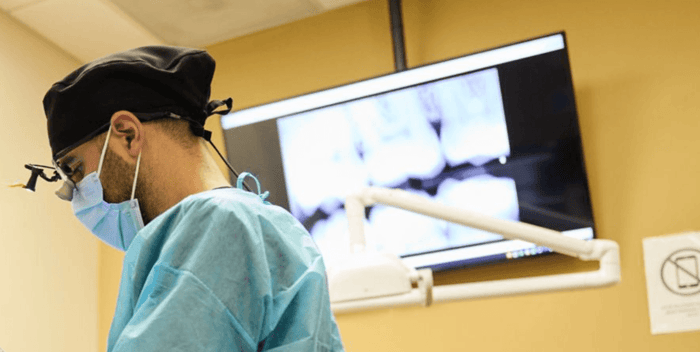
The dentist will check your bone health to make sure it can support an implant. They might use 3D X-rays or digital scans to get a clear look at your jawbone. Good bone density is important for implant success.
Next, your gums get a close look. Healthy gums help implants heal. If you have gum disease, that needs treatment first. The team will also review your medical history, since some health issues or habits—like smoking—can affect healing.
Here’s what the evaluation usually covers:
Step | What It Means |
Bone & gum check | Checks if your jaw and gums are strong enough for implants |
Medical history | Look for health factors that might affect healing |
Imaging | Uses scans to create precise treatment plans |
You’ll get clear explanations at every step, so you know what’s happening. Your comfort is always the top priority. This check helps create a plan that’s just for you. If you have questions, ask away. You’ll get support throughout your dental implant journey.
Understanding Eligibility Helps You Plan With Confidence
Dental implant eligibility depends on your oral health, bone support, and overall condition. A careful evaluation helps determine the safest and most effective option for your needs.
At El Segundo Modern Dentistry & Orthodontics, treatment is designed to restore function and support long-term oral health. Each plan is tailored to help ensure stability and comfort.
If you are considering dental implants, schedule a consultation to find out if you are a candidate. Early evaluation helps you explore options and plan the right treatment.
Frequently Asked Questions
Who is not a good candidate for dental implants?
People with untreated gum disease or low bone density may not be immediate candidates. Certain health conditions can also affect healing. A dental exam helps determine eligibility.
Can you get implants if you have bone loss?
Yes, bone grafting may help rebuild support for implants. This allows more patients to qualify for treatment. A dentist will evaluate your bone levels first.
Does age affect dental implant eligibility?
Age alone is not a limiting factor for implants. Adults with healthy gums and bone can qualify. Overall health matters more than age.
How long does implant evaluation take?
The evaluation is usually completed in one visit. It includes an exam, imaging, and medical review. This helps create a personalized treatment plan.