Root Canal Treatment Benefits for pain relief and tooth preservation can make a major difference when a tooth becomes infected. This treatment helps remove the source of pain while protecting your natural tooth structure.
At El Segundo Modern Dentistry & Orthodontics, treatment focuses on restoring teeth and controlling infection to support long-term oral health. Root canal care is designed to relieve discomfort and preserve function whenever possible.
In the sections ahead, you’ll learn how root canal treatment works, its key benefits, and how it compares to other options.
Why Root Canal Treatment Is Often The Best Way To Save Your Tooth
Root canal treatment removes infection from inside the tooth but keeps the outer part in place. If you leave infected pulp alone, the tooth can weaken or even be lost.
Dentists usually recommend this when a tooth is still worth saving. Often, that gives you a better shot at good oral health than just removing the tooth.
How Infected Pulp Puts A Natural Tooth At Risk
Inside every tooth, there’s a soft center called pulp. It holds nerves and blood vessels. When bacteria get in, infection can cause pain and swelling. If you delay treatment, an infected tooth will keep breaking down. The longer the infection sticks around, the harder it gets to save the tooth.
Why Saving A Natural Tooth Usually Beats Extraction
Keeping your natural tooth helps you chew well and keeps your bite in line. Your other teeth won’t shift as much, and eating feels more comfortable.
Pulling a tooth might solve a problem fast, but it often means you’ll need to make another choice later. Replacing a missing tooth usually takes more time and planning.
When A Dentist May Recommend Treatment Quickly
Dentists often recommend quick treatment if you have pain, swelling, or a deep cavity near the nerve. Fast care lowers the risk that the infection spreads. If your tooth is still strong, acting fast may help you avoid bigger repairs. Early action gives you the best shot at saving your tooth.
The Benefits That Matter Most To Patients
Root canal treatment does more than just stop pain. It protects you from a bigger dental infection, and you get to keep a tooth that still works. Most people want relief from pain, but they also want to protect their mouth and general health. Root canal care supports both goals at once.
Key Benefits Of Root Canal Treatment
Relief from persistent tooth pain
Removal of infection inside the tooth
Preservation of natural tooth structure
Support for normal chewing and speech
Pain Relief From Toothache And Tooth Pain
One big benefit is pain relief. Root canal treatment removes inflamed or infected tissue, which eases pressure inside the tooth. People usually feel more comfortable eating, sleeping, and talking afterward. That can make a tough dental problem feel easier to handle.
Stopping A Dental Infection Before It Spreads
Dental infections don’t stay small forever. If you ignore them, they can spread past the tooth and cause an abscess or swollen gums. Prompt care keeps that risk low. Saving the tooth also helps protect the rest of your mouth.
Protecting Chewing, Speech, And Your Smile
Natural teeth help you chew evenly and speak clearly. They also support your smile in a way that new teeth might not match right away. When you save your tooth, you keep a familiar part of your bite. That usually makes life simpler after treatment.
How The Root Canal Procedure Helps Preserve Natural Teeth
The root canal procedure removes infection, cleans the inside, and seals the tooth for protection. Modern care focuses on comfort and saving as much of the tooth as possible.
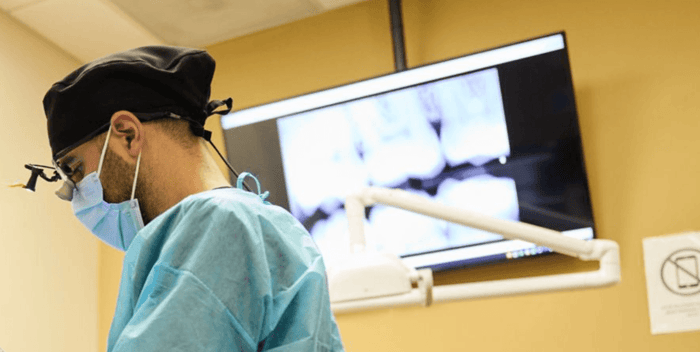
Dentists use detailed imaging to guide treatment. That lets them clean the canals well and restore the tooth with confidence.
From Diagnosis To Cleaning The Canals
Treatment usually starts with an exam and X-rays. These show how far the infection spread and where the canals sit. Next, the dentist removes the infected pulp and cleans the inside. This clears out bacteria and gets the tooth ready to be sealed.
How Gutta-Percha Seals The Tooth
After cleaning, the dentist fills the canals with gutta-percha. This closes off the space where bacteria once lived. Sealing the tooth is key to protection. It helps keep the fixed tooth stable for daily use.
Why A Permanent Crown Is Often Part Of The Plan
Dentists often place a permanent crown after treatment to protect the tooth from cracks or wear. The crown gives the tooth strength for chewing. Usually, the crown lets the tooth work like it should. It also helps the tooth last longer.
Root Canal Vs Tooth Extraction And Replacement
Dentists compare root canal treatment with extraction when teeth are badly damaged. The right choice depends on whether the tooth can still be saved. Each option comes with different costs, timelines, and maintenance. For many, keeping the tooth is simpler if it’s possible.
Comparing Treatment Options
Option | Main Benefit | Consideration |
Root canal | Saves natural tooth | Needs restoration |
Extraction | Removes damaged tooth | Requires replacement |
Implant | Long-term solution | More time and cost |
Bridge | Restores function | Affects nearby teeth |
Short-Term Relief Versus Long-Term Tooth Preservation
Pulling a tooth can stop pain fast, especially if it can’t be fixed. But you lose your natural tooth and its root support. Root canal treatment keeps the tooth in place. That means you keep more of your bite and smile.
How Extraction Can Lead To A Dental Implant Or Bridge
After extraction, you might need an implant or bridge to fill the gap. Those work, but they add steps and healing time. A root canal can avoid that extra process. Saving the tooth means fewer appointments and less change to your routine.
Cost, Time, And Maintenance Differences
Replacing a tooth can cost more than saving it, especially if you need extra work done. Implants and bridges also take more planning. A treated tooth still needs care, but it’s often easier to maintain than a replacement. Your dentist can help you weigh your options.
When These Benefits Become Most Important
Root canal benefits matter most when infection signs already show up. Deep cavities, pain, and abscess symptoms mean a tooth needs quick help. Early care protects your mouth and lowers the chance that you’ll need more complex treatment. Waiting just lets the problem grow.
Deep Cavity, Cracks, And Other Common Triggers
Deep cavities often cause tooth infections. Cracks, chips, and injuries also let bacteria reach the pulp. Even teeth that look fine outside can have serious damage inside. That’s why an exam matters when pain starts.
Symptoms That Should Not Be Ignored
Watch for toothache, hot or cold sensitivity, pain when chewing, gum swelling, or a bump near the tooth. These often signal infection or an abscess. If your tooth darkens or feels very sore, don’t wait. Those signs usually mean the problem is getting worse.
Why Prompt Care Can Prevent Bigger Problems
Quick treatment gives your dentist a better shot at saving the tooth. It also lowers the risk of pain spreading. Fast care supports your mouth and can help protect your overall health, too. Small problems are easier to fix than big ones.
How Early Treatment Supports Long-Term Oral Health
Timely treatment helps prevent complications and further damage. According to the Cleveland Clinic, early care can stop infection from spreading. Protecting the tooth early supports long-term function. The clinic also says that proper care improves overall oral health.
Recovery, Aftercare, And Long-Term Protection
Recovery after a root canal is usually simple. Mild soreness is common for a short while, and good home care helps the tooth heal. Your crown, daily habits, and follow-up visits all affect how long the tooth lasts. Simple care really does make a difference.
What Recovery Usually Feels Like
You might feel a bit sore for a few days after treatment. That usually gets better as the area settles down. Most people go back to normal activities soon. Dentists often suggest avoiding hard chewing until the tooth is fully restored.
Oral Hygiene Habits That Support Healing
Keep brushing and flossing daily, but be gentle around the treated tooth at first. Good hygiene stops bacteria from coming back. Sometimes, an antibacterial mouthwash helps. Your dentist will let you know if that’s right for you.
How Follow-Up Care Helps The Tooth Last
Follow-up care checks that the tooth and crown work well together. It also lets your dentist catch small issues early. With regular care, a treated tooth can last many years. Protecting it now gives you a better shot at saving it long term.
Choosing The Right Dentist For Root Canal Care In El Segundo
When you need root canal treatment, you want a dentist who helps you feel calm and cared for. A modern office should explain your options and help you move ahead without pressure. Whether you see a general dentist or an endodontist, comfort and trust matter. The right team makes the whole process easier.
When To See A General Dentist Or An Endodontist
General dentists can often find the problem and start treatment. If things are more complex, an endodontist may be the right choice. Both focus on saving teeth when they can. Your dentist can help you decide what’s best for you.
What To Look For In A Comfortable Modern Practice
Look for gentle care, clear answers, and modern tools that lower stress. You should know what’s coming before treatment starts. A good office values your time and comfort. That can make a tough day feel a lot better.
How To Find A Dentist You Trust
When you’re hunting for a dentist in El Segundo, look for a place where people actually listen and answer your questions in plain language. You should feel supported, even from that first phone call—nobody wants to feel like just another number.
If you need a dentist nearby who handles root canals, pick a team that cares about your comfort and your long-term health. The right folks help you save your natural tooth and make you feel good about whatever comes next.
Protect Your Tooth And Relieve Pain With Timely Care
Root canal treatment offers a reliable way to relieve pain and preserve your natural tooth. Acting early helps control infection and maintain normal function.
At El Segundo Modern Dentistry & Orthodontics, care is focused on treating infection and restoring your tooth with comfort and precision. Proper treatment helps support long-term oral health and stability.
If you are experiencing tooth pain or signs of infection, schedule a visit right away. Early care can help save your tooth and prevent more serious problems.
Frequently Asked Questions
Is a root canal painful?
Modern root canal treatment is designed to reduce pain, not cause it. Local anesthesia helps keep you comfortable during the procedure. Most patients feel relief after treatment.
How long does a root canal take?
A root canal usually takes one or two visits, depending on the tooth. Each visit may last about an hour. Your dentist will explain the timeline based on your case.
Can a root canal save my tooth permanently?
A root canal can help preserve your natural tooth for many years. Long-term success depends on proper restoration and care. Regular checkups help maintain results.
What happens if I avoid a root canal?
Avoiding treatment can allow the infection to spread and worsen. This may lead to more pain or tooth loss. Early treatment helps prevent complications.