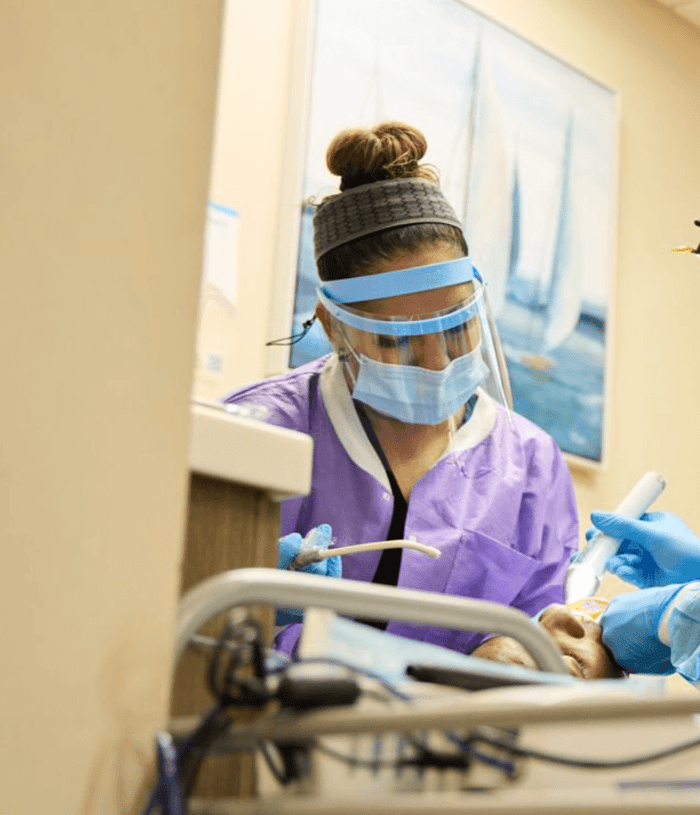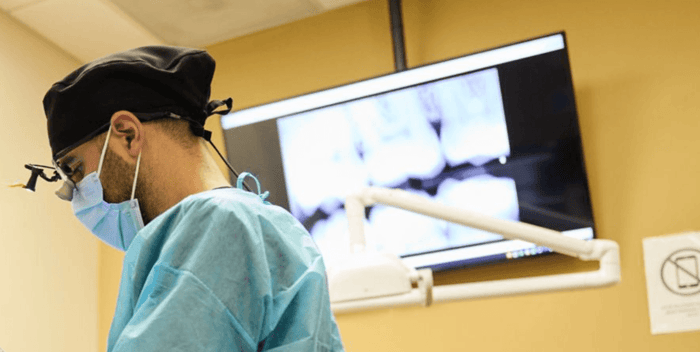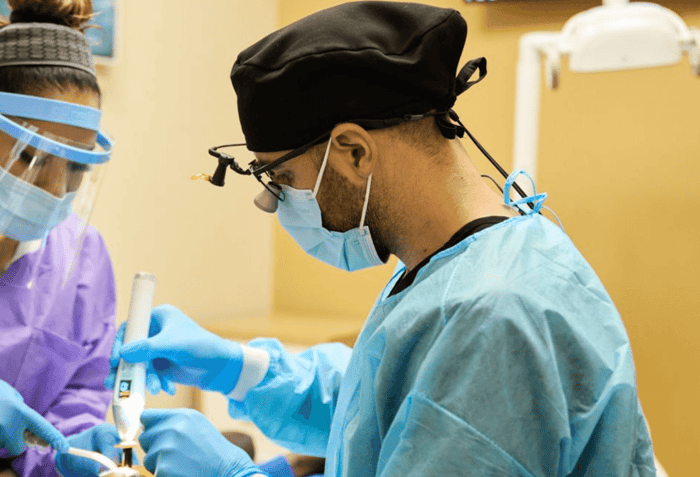
Understanding what to expect from a dental crown during treatment can make the process feel more manageable. Knowing the steps ahead helps reduce stress and keeps you prepared.
At El Segundo Modern Dentistry & Orthodontics, care focuses on restoring damaged teeth so they can function normally and stay protected. A dental crown is used when a tooth needs added strength and support.
In the sections ahead, you’ll learn how the procedure works, what happens at each visit, and how to care for your crown.
The Functional Necessity of a Crown
A dental crown is far more than a cosmetic upgrade. It is a structural necessity when the natural tooth can no longer support itself under daily pressure. Dentists typically recommend this path when a tooth has suffered extensive decay.
Once decay passes a certain point, a standard filling is no longer a viable option. Fillings require a certain amount of healthy tooth structure to cling to. When a cavity is too large, the remaining walls of the tooth become thin and brittle.
This makes them prone to fracturing under the intense pressure of daily chewing and grinding. Protecting these walls with a crown ensures the tooth does not split or crumble over time.
Why Crowns Are Used To Restore Strength
A crown protects a weakened tooth from further damage during daily use. According to the Mayo Clinic, crowns restore both function and structure. They help distribute pressure evenly across the tooth. According to Mayo Clinic, this reduces the risk of fracture.
Addressing Cracks and Root Canals
Cracked tooth syndrome is another primary reason for crown placement. These micro-fractures may not always be visible on an X-ray, but they cause significant pain during eating.
By encasing the tooth, a crown holds the pieces together and prevents the crack from spreading toward the root. This "splinting" effect can save a tooth that might otherwise require extraction. Teeth that have undergone root canal therapy almost always require a crown.
Because the blood supply is removed, the tooth becomes much more fragile over time. A crown provides the necessary "helmet" to keep it from shattering. Beyond structural repair, crowns are also used for aesthetic transformations for misshapen or discolored teeth.
Choosing the Right Materials
The choice of material for your crown depends on several factors, including the location of the tooth and the intensity of your bite. Porcelain and ceramic are the most popular choices for visible teeth.
These materials are highly translucent and can be shade-matched to your surrounding teeth with incredible precision. Modern ceramics offer a blend of beauty and strength that looks natural.
For molars in the back of the mouth, which must withstand hundreds of pounds of pressure, durability is the priority. Zirconia has become the modern standard for these areas.
Zirconia is virtually indestructible and requires less tooth reduction than traditional porcelain. This allows your dentist to keep more of your natural tooth structure intact.
Gold and Metal Alloy Options
In some cases, your dentist might still suggest a gold or metal alloy crown. While these are not tooth-colored, they are exceptionally biocompatible and gentle on opposing teeth.
Gold crowns are less likely to chip or break compared to porcelain, making them ideal for patients who suffer from heavy grinding. They wear down at a rate similar to natural enamel. Porcelain-fused-to-metal (PFM) crowns provide a middle ground.
They offer a metal substructure with a porcelain exterior for a mix of strength and aesthetics. However, PFM crowns sometimes develop a dark line at the gumline as tissues recede. Modern all-ceramic options have largely replaced them in the "aesthetic zone" of the mouth.
Preparation: The First Visit
The first appointment is the most labor-intensive part of the process. It begins with a thorough examination of the tooth and the surrounding gum tissue. X-rays are taken to ensure the roots are healthy and that there is no hidden infection.
Once the plan is confirmed, the dentist will apply a local anesthetic. The shaping process involves removing a small layer of the natural tooth's enamel. This makes room for the crown to sit flush with the rest of your teeth.
The amount of material removed depends on the type of crown being used. Metal crowns require very little space, while porcelain and ceramic require a slightly thicker layer.
Capturing the Perfect Impression
If the tooth is heavily broken down, the dentist may perform a "build-up." This involves using filling material to create a stable, solid core for the crown. After the tooth is prepared, the office will capture its exact shape.
Many modern offices use digital scanners to create a highly accurate 3D model of your mouth. Others use a traditional putty impression, which requires you to bite down into a tray for several minutes. Both methods give the lab a perfect blueprint of your bite.
Your dentist will also use a shade guide to choose the exact color of your new tooth. They will look at the color of your natural teeth in different lighting.
Living With Your Temporary Crown
Because it takes time for a lab to craft a custom crown, you will be fitted with a temporary one. This is usually made of a tooth-colored acrylic resin.
Its primary job is to protect the sensitive, prepared tooth from temperature changes and bacteria. It also prevents the surrounding teeth from shifting into the new gap. You may notice that the temporary crown feels a bit rougher or bulkier than your natural teeth.
This is normal, as the temporary is designed for short-term function. It is important to treat the temporary with extra care during the waiting period. Because the cement is temporary, it can be loosened by sticky or hard foods.
Caring for the Restoration
Avoid chewing gum, caramel, or hard candies on that side of your mouth. These items can easily tug the temporary crown off the tooth, exposing the sensitive area. Oral hygiene remains vital, but your flossing technique must change.
Instead of "snapping" the floss back up, you should slide it out sideways through the contact point. Snapping the floss upward is the most common way patients accidentally dislodge their temporary crowns. If the temporary does come off, call your dentist immediately.
Even a few days without the temporary can allow teeth to shift. Keeping the space maintained is the key to a successful second appointment.
The Final Placement Visit
The second visit is typically much shorter and often does not require numbing. The dentist will remove the temporary crown and clean any leftover cement. This is the moment when the lab-created piece is finally tested.
The dentist will slide the permanent crown into place to check the "margins" at the gumline. They ensure there are no gaps or overhangs where bacteria could hide. You will be asked to bite down on articulating paper to check the vertical alignment.
This helps the dentist see if the crown is sitting too high. Minor adjustments are made using a polisher to ensure your bite feels perfectly balanced.
Final Bonding and Sealing
You will have a chance to look in the mirror and approve the color and shape. Once you give the green light, the tooth is isolated, cleaned, and dried. The cementation process involves a chemical or light-cured bond that creates a permanent seal.
After setting, the dentist clears away any excess cement from the gums. They will perform one last check of the contact points with floss. When you leave the office, you will be able to smile normally and confidently.
You may be advised to wait an hour or two before eating. This allows the cement to reach its maximum strength before handling full chewing pressure.
Long-Term Success and Maintenance
A dental crown is a significant investment in your health. While the crown itself cannot decay, the natural tooth structure underneath is still susceptible to cavities. Brushing twice a day and flossing daily is non-negotiable for the longevity of your restoration.
Using fluoride mouthwash can provide an extra layer of protection. Keeping this seal intact prevents bacteria from seeping underneath the crown. Dietary habits also play a critical role in the longevity of the restoration.
Habitually chewing on ice or popcorn kernels can cause the porcelain to chip. While strong, these materials are not indestructible under extreme force.
Protecting Your Investment
If you have a habit of clenching or grinding your teeth, your dentist will recommend a custom night guard. This appliance cushions the crown from immense pressure.
Regular dental checkups are the final piece of the puzzle. During cleanings, the team will check the integrity of the crown and the surrounding gum tissue. They can spot early signs of gum recession or minor chips that can be smoothed.
With diligent care, a high-quality crown can easily last 15 to 20 years. If you ever feel a "tug" when flossing or notice new sensitivity, schedule an evaluation. Early intervention ensures your crown stays in top condition.
The Laboratory and Digital Workflow
Behind the scenes, a dental laboratory plays a crucial role in your success. Technicians use 3D models to build the crown layer by layer for a perfect fit. For zirconia crowns, the process involves computer-aided design and manufacturing (CAD/CAM).
A block of zirconia is milled to match your dentist's digital scan. The crown is then "fired" in a high-temperature kiln. This process, known as sintering, hardens the material to withstand the forces of your bite.
Finally, a ceramic artist may apply custom stains and glazes. This step gives the crown its natural vitality, mimicking your own natural enamel.
Managing Anxiety and Comfort
It is normal to feel nervous before a crown procedure. Modern dentistry offers many ways to ensure you remain calm and comfortable throughout the experience. Communication is the most effective tool for managing anxiety.
Feel free to ask your dentist to explain each step or establish a "stop" signal. Many offices provide amenities like noise-canceling headphones or blankets.
These distractions help shift your focus away from the clinical sounds of the office. If anxiety is severe, you might discuss sedation options like nitrous oxide. Knowing you are in control of your comfort can make a world of difference.
The Evolution of Restorative Techniques
Restorative dentistry has evolved significantly toward minimally invasive preparation. Dentists now aim to preserve as much original tooth structure as possible.
Digital workflows have streamlined the experience by eliminating messy physical impressions. Laser dentistry and advanced bonding agents have also played a role. These tools allow for a more precise bond between the tooth and the restoration.
This reduces the risk of sensitivity or failure over the long term. As technology matures, the process will become even more efficient. A dental crown remains the gold standard for restoring functional and visual harmony.
Feel Prepared And Confident During Your Crown Treatment
A dental crown helps restore strength and function to a damaged tooth. Understanding the process can make each step feel more predictable.
At El Segundo Modern Dentistry & Orthodontics, treatment is designed to protect your tooth while keeping you comfortable. Care focuses on restoring function and supporting long-term oral health.
If you need a dental crown or have been advised to get one, schedule a visit today. Taking action now helps protect your tooth and avoid further damage.
Frequently Asked Questions
How long does a dental crown procedure take?
A dental crown usually takes two visits. The first visit prepares the tooth, and the second places the crown. Each visit is planned for comfort and accuracy.
Will I feel pain during the crown procedure?
Local anesthesia is used to keep you comfortable during treatment. You may feel mild sensitivity after the visit. Most patients return to normal activities quickly.
How long does a temporary crown last?
A temporary crown lasts until your permanent crown is ready. This is usually a few weeks. It should be handled with care to avoid damage.
How do I care for my crown after placement?
Brush and floss daily to keep the area clean. Avoid biting very hard objects. Regular dental visits help maintain your crown.