Tooth pain from infection can make everyday life uncomfortable, but treatment doesn’t have to feel overwhelming. Root canal techniques that support gentle care focus on removing infection while keeping you comfortable and protecting as much healthy tooth structure as possible.
At El Segundo Modern Dentistry & Orthodontics, modern endodontic care combines advanced tools, precise imaging, and patient-focused comfort methods. These approaches help dentists clean and seal infected canals efficiently while minimizing irritation to surrounding tissue.
This guide explains how gentle root canal techniques work, what happens during treatment, and how modern technology helps improve comfort and long-term results. Understanding these steps can help you feel more confident if your dentist recommends root canal therapy.
A Closer Look at Gentle Root Canal Techniques
Gentle root canal techniques aim to ease pain, shorten treatment, and protect your tooth’s structure. Modern tools, softer protocols, and careful restorations all play a part in keeping you comfortable and making the tooth last.
Modern Comfort-First Approaches
Your dentist numbs the area with precise local anesthesia, so the treatment feels more like a filling than anything scary. They use digital X-rays and tiny cameras to see the roots clearly, which means less guesswork and less drilling.
Rotary and reciprocating files shaped for comfort remove infected tissue faster and more gently than the old-school hand files. Antibacterial rinses flush the canals without scraping, and sonic or ultrasonic tools clean better while putting less pressure on the tooth.
If you’re anxious, you can pick from sedation options like nitrous oxide or oral meds to help you relax. These steps cut down on time in the chair and help reduce soreness afterward. Dentists usually explain each step so you know what’s coming and feel safer during the whole thing.
Comparing Traditional and Gentle Methods
In the past, dentists used more manual files and made larger openings, which meant longer appointments and more force inside the tooth. That sometimes led to more swelling afterward. Diagnosis relied on basic X-rays, so tricky canals could take multiple visits.
Now, gentle methods use smaller openings and powered tools that fit the canal’s shape better. Digital X-rays or CBCT scans give a detailed look, helping avoid overworking the tooth. Irrigation and activation remove bacteria more efficiently, and newer sealers lower the chance of reinfection.
The takeaway? Fewer visits, less trauma to your tooth, and a stronger result. Follow-up care gets easier, too, since the restoration fits better onto a well-shaped root canal.
Key Benefits for Patients
Most people feel immediate pain relief once the infected pulp is gone. Newer tools and materials lower the risk of reinfection, so treated teeth can last for years with regular care. Keeping your own tooth also means you can chew normally and your jaw stays healthy.
Shorter appointments and gentler techniques often mean less soreness afterward. Step-by-step explanations and sedation choices help anxious patients and kids. A well-done crown or restoration protects the tooth and helps prevent fractures, so your tooth works like new for a long time.
Innovations That Make Root Canals Gentle
Modern tools really do cut chair time, lower discomfort, and boost success rates. You’ll notice sharper imaging, gentler cleaning, and precise shaping that keeps healthy tooth structure intact.
Rotary Endodontics and Precision Tools
Rotary endodontics uses tiny, motor-driven files to shape and clean root canals more evenly than hand files ever could. These nickel-titanium tools flex inside curved canals, so there’s less risk of breaking them or removing too much tooth.
The motor keeps speed and pressure steady, letting your dentist work faster and more smoothly. That means less time with your mouth open. Rotary systems also help pack the filling material tightly, sealing out bacteria for good.
Magnification loupes or dental microscopes let your dentist see the smallest details, so they can remove infection while leaving healthy dentin. You get a cleaner, stronger result with fewer surprises.
Digital X-Rays and Advanced Diagnosis
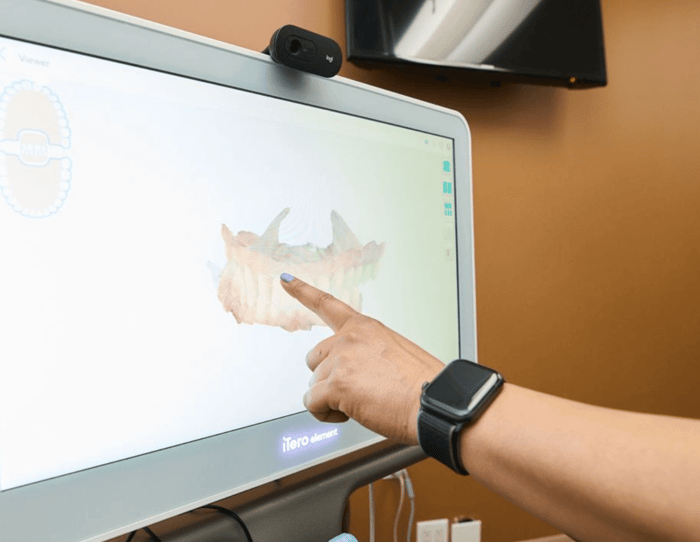
Digital X-rays show clearer images with a fraction of the radiation of old film. Your dentist can zoom in or adjust contrast on the spot, making it easier to spot tiny cracks, extra canals, or deep decay that could change the plan.
3D imaging (CBCT) gives a full view when needed, showing the root’s shape and its relation to nerves and sinuses. With these images, your dentist can choose the safest, most effective path for cleaning and filling.
You get a more targeted approach with less guesswork and fewer complications. Digital records speed up follow-up, too. Your dentist can compare images over time to check healing or catch problems early, keeping care focused and efficient.
GentleWave and Ultrasonic Cleaning
GentleWave and ultrasonic systems clean better by using fluid dynamics and sound energy, not just scrubbing. GentleWave sends a cleaning solution into the canal with sound waves, reaching tiny branches and spaces. This means less need to widen canals, so more tooth stays healthy.
Ultrasonic tips vibrate at high frequency, agitating cleaning solutions to break up debris and disrupt biofilm. They get into spots files can’t touch. Both methods help clear out infection more thoroughly, which can mean less pain and fewer repeat visits.
These technologies work well with gutta-percha filling. After deep cleaning, the dentist seals the canal to keep out bacteria. You get a gentler cleanup and a tighter seal for long-term results.
Prioritizing Comfort Throughout the Root Canal Experience
The team works to keep you comfortable from numbing through recovery, with sedation choices, clear communication, and steps to manage sensitivity after treatment.
Local Anesthesia and Numbing Solutions
Your dentist numbs the area around the tooth with local anesthesia so you barely feel anything. They might use a topical gel first to take the sting out of the injection. Modern anesthetics kick in fast and last long enough for the whole procedure.
If numbing is tough—sometimes it happens with a bad infection—they can use a different nerve block or a second shot nearby. Ask how long the numbness will last so you’re not caught off guard. If you get a temporary filling, it protects the tooth while you wait for the final crown.
Let the team know if you have allergies, take blood thinners, or are pregnant. That way, they can pick the safest anesthetic and plan accordingly.
Sedation Dentistry and Anxiety Reduction
Feeling anxious? Sedation dentistry can help you relax. Choices range from nitrous oxide (laughing gas) for light relaxation to oral sedatives for deeper calm. Your provider will check your medical history to find the safest option.
Nitrous oxide wears off quickly, so you can usually drive yourself home. Oral sedatives last longer, so you’ll need a ride. Sedation helps reduce anxiety and makes longer procedures more manageable, especially if your canals are tricky.
Ask about costs, what to expect, and any rules about eating or drinking beforehand. Clear instructions help keep the visit smooth.
Communication and Personalized Care
The team gives step-by-step explanations before and during treatment, so you’re never left guessing. They’ll check in about pain and pause if you need a break. Honest, calm communication helps you feel in control throughout.
Personalized care means they adjust techniques to fit you—shorter appointments if you get tired, extra numbing for sensitive teeth, or a temporary filling if you need more than one visit. If you’ve had bad dental experiences, let them know so they can adapt their approach.
You’ll get written aftercare instructions and a contact number for questions. Knowing who to call can be a real relief after the procedure.
Managing Tooth Sensitivity and Recovery
After the procedure, you might feel a little tenderness for a few days. Take acetaminophen or ibuprofen as directed to manage pain and swelling. Stick to soft foods and avoid chewing on the treated tooth until you get your permanent crown.
If you have a temporary filling, keep it clean and avoid sticky stuff that could pull it out. Call your dentist if you get increased pain, swelling, fever, or a pimple-like bump on your gum—those can be infection signs and need quick attention.
Follow-up visits help confirm healing and let your dentist place the final restoration. Keeping those appointments protects your tooth and lowers the chance you’ll need more treatment.
How a Final Crown Protects the Treated Tooth
After root canal therapy, the tooth can become more fragile because the inner pulp tissue has been removed. A dental crown is often recommended to reinforce the tooth and protect it from fractures during everyday chewing.
According to the Cleveland Clinic, placing a crown after root canal treatment helps restore strength and allows the treated tooth to function normally again. With proper restoration and regular dental care, a root-canal-treated tooth can often last many years.
Gentle Root Canal Care and Your Long-Term Oral Health
Gentle root canal care removes infection, seals the tooth, and protects the surrounding gums and bone. You get pain relief and a plan to keep the tooth healthy for years to come.
Preventing Reinfection and Periodontal Disease
After root canal treatment, your dentist seals the canals to stop bacteria from coming back. They use biocompatible filling material and a tight restoration to block leaks that could cause reinfection.
Keep the area clean by brushing twice a day and flossing gently around the restored tooth. Go to follow-up visits so your dentist can check the seal and the gum for any signs of trouble.
If your gum gets swollen, tender, or you see a draining bump, call the office right away. Early care can stop infection from spreading and lower the risk of gum disease around that tooth.
Supporting Natural Teeth and Lasting Results
Saving your natural tooth keeps chewing comfortable and helps neighboring teeth stay put. A properly restored tooth with a crown or onlay resists fracture and lets you bite normally. Pick restorations that fit well and protect the tooth from biting pressure.
Your dentist will recommend the right crown material and check your bite to avoid uneven stress that could crack the tooth.
Keep up with regular dental exams and cleanings so your dentist can spot wear, cracks, or gum issues early. With good home care and timely follow-ups, endodontic treatment really can support your long-term oral health and keep your tooth going for years.
Frequently Asked Questions
Is a root canal painful with modern techniques?
Most patients are surprised that modern root canal treatment feels similar to getting a dental filling. Dentists use effective local anesthesia and comfort-focused techniques to keep the area numb during the procedure. Some mild soreness afterward is normal, but it usually improves within a few days.
How long does a root canal procedure usually take?
Many root canal treatments take about 60 to 90 minutes, depending on the tooth and the level of infection. Some cases may require more than one visit, especially if the tooth has multiple canals or significant inflammation. Your dentist will explain the expected timeline during your consultation.
How do I know if I might need a root canal?
Common signs include persistent tooth pain, sensitivity to hot or cold that lingers, swelling around the gums, or discomfort when chewing. Sometimes, a small bump on the gum near the tooth can appear as well. A dental exam and X-rays help determine whether root canal therapy is the right treatment.
What should I expect after a root canal?
After the procedure, it is normal to feel mild tenderness for a few days as the surrounding tissue heals. Over-the-counter pain relievers usually help manage this discomfort. Your dentist may recommend placing a crown on the treated tooth to restore strength and protect it long-term.