A damaged tooth does not have to mean the end of a strong smile. Modern dental crown treatments in El Segundo are designed to restore both function and protection while helping a tooth last for many years.
At El Segundo Modern Dentistry & Orthodontics, crowns are commonly used to strengthen teeth after decay, fractures, or root canal treatment. Modern materials and digital design techniques allow crowns to fit comfortably while blending naturally with surrounding teeth.
This guide explains what affects the durability of dental crowns, how the procedure works, and which care habits help crowns last longer. Understanding these factors can help you protect your investment and maintain a healthy smile.
Why Durability Matters With Modern Dental Crowns
Durable crowns protect your tooth and allow you to continue chewing normally. They cut down on repairs, save you trips to the dentist, and help you avoid pain from a broken crown.
Everyday Life and Wear for Dental Crowns
Your crown deals with daily chewing, talking, and sometimes teeth grinding. Hard foods like ice, nuts, or popcorn kernels put extra stress on the crown. If you grind or clench at night, that steady pressure can crack or loosen the crown over time.
Pick materials that fit your bite. Porcelain-fused-to-metal and full-ceramic crowns look natural but vary in strength. Your dentist will suggest the best type based on where the crown sits and how you use that tooth.
Routine checkups let your dentist spot early wear. Small chips or rough edges get fixed before they cause bigger problems.
Biting Forces and Chewing Habits
Molars take the most force; front teeth handle less. Crowns on molars need to resist heavy chewing. If the crown material or fit isn't right, it can break or come loose.
Your chewing habits matter, too. Chewing mostly on the crowned side or using your teeth to open things raises the risk of damage. Night guards protect your crowns if you grind your teeth at night.
Your dentist checks your bite and adjusts the crown if needed. Good fit spreads pressure evenly and helps avoid early wear.
The Role of Oral Hygiene
Good oral hygiene keeps the tooth under the crown healthy. Plaque at the crown margin can cause decay at the junction. Untreated decay weakens the tooth and sometimes means a new crown or root canal.
Brush twice daily and floss where the crown meets your gum. Use floss threaders or tiny brushes if space is tight. Regular cleanings remove buildup you might miss at home.
If you notice sensitivity, looseness, or discoloration near a crown, call your dentist. Early care can save your crown and the tooth beneath.
Comparing Materials: How Long Do Different Dental Crowns Last?
Crown materials wear and age differently. Some last many years with good care, while others may need replacement sooner due to breakage, wear, or changes in looks.
Gold Crowns: The Classic Choice
Gold crowns last a long time when you care for them. They resist fractures and don't wear down opposing teeth much. Gold crowns often last 15–30 years or more with regular brushing, flossing, and checkups.
Gold crowns need less tooth removal, so they preserve more of your tooth. They don't stain and handle bite forces well, making them a strong pick for back teeth or grinders.
The main trade-off? Gold is visible, so most people use it for molars. If you want durability and low risk of chipping, gold is a solid choice.
Porcelain Fused to Metal (PFM): Blending Strength and Aesthetics
PFM crowns have a metal base covered with porcelain. This gives you metal strength and a tooth-colored look. PFMs often last 10–15 years, and many last longer with good care and regular exams.
PFMs can chip where porcelain meets metal, especially with heavy biting or grinding. The metal edge may show as a dark line at the gum if the gums recede. You get a mix of durability and natural looks, so PFMs work when both matter.
PFMs need more tooth reduction than gold but have less risk of major fracture than older all-ceramic crowns. If you grind at night, ask about protecting your PFM.
All-Ceramic and Zirconia Crowns: Modern Solutions
All-ceramic crowns and zirconia look most like real teeth. Zirconia is strong and resists breaking; it can last 10–20 years, depending on wear and bite stress. Other ceramics look great but vary in strength and lifespan.
All-ceramic crowns work well for front teeth because they mimic color and translucency. Zirconia suits back teeth and implants where strength matters. Hard ceramics can wear opposing teeth, and some types may chip under heavy force.
You can protect ceramic or zirconia crowns by wearing a night guard if you grind. Regular exams catch small chips or fit issues before they get worse.
Your Dental Crown Procedure in El Segundo
This process focuses on comfort, clear steps, and solid results. You'll see how we plan, craft, and place your crown using modern tools and careful technique.
Personalized Consultation and Digital Impressions
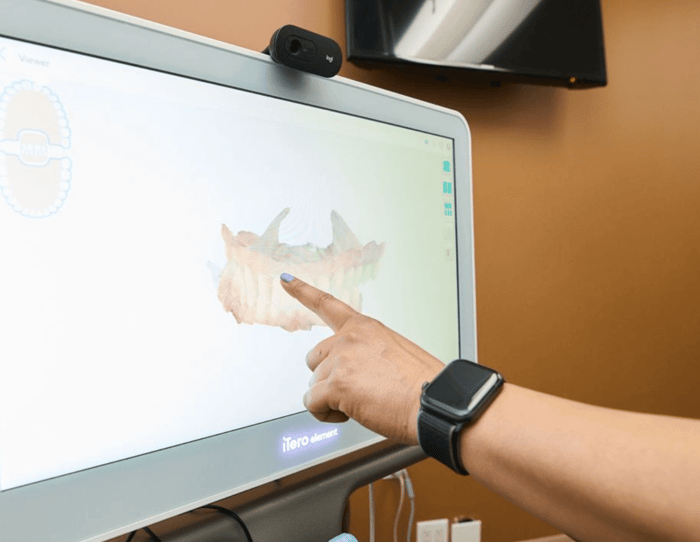
You start with a focused consult that reviews your tooth, bite, and health history. The dentist takes digital X-rays and scans to see the tooth under the gum and measure the space exactly. Digital impressions now replace messy putty.
A quick scan creates a 3D model for the lab or in-office mill. This improves fit and reduces the need for adjustments later.
You'll discuss material options—porcelain, zirconia, or metal—based on strength, looks, and tooth location. The team explains costs, timing, and comfort choices so you leave with a clear plan.
Custom Crown Design and Fabrication
Technicians use the digital model to design a crown that matches your tooth shape and bite. Lab or chairside CAD/CAM systems mill the crown from a solid block for a tight fit and strength. If you get a temporary crown, it protects your tooth while the permanent one is made.
Temporaries keep things sealed and let you test bite and comfort. They match color with shade guides and photos to blend with your natural teeth. The final crown gets polished and checked for fit, contact, and bite before placement.
Expert Placement for Lasting Results
On placement day, the dentist removes the temporary and checks the tooth. They may clean or adjust the tooth to help the crown seat fully and evenly. The crown is tried in, adjusted for bite and comfort, then cemented with strong dental cement.
The dentist checks your bite and shows you how to care for the new crown. You get aftercare tips: brush twice daily, floss gently at the crown margin, and avoid hard or sticky foods for a while. Follow-up visits help keep the crown stable and your tooth healthy.
Maximizing the Lifespan of Your Dental Crowns
Good care, timely checks, and smart eating habits help your crown last longer. Follow clear steps for brushing, watch for signs of wear, and skip hard or sticky foods to protect your investment.
Care Instructions for Durable Crowns
Brush twice daily with a soft-bristle toothbrush and fluoride toothpaste. Focus on the crown margin to remove plaque that can cause decay under the crown. Floss once a day, sliding floss gently next to the crown.
Use a floss threader or tiny brush if the crown sits next to a bridge or implant.
Rinse with antimicrobial mouthwash if your dentist suggests it. Skip whitening pastes on porcelain crowns; save them for natural teeth. See your dentist every six months for exams and cleanings so they can check crown fit and tooth health.
Why Gum Health Matters for Crown Longevity
Even though a crown covers the visible part of the tooth, the natural tooth underneath still needs protection. Bacteria can accumulate around the crown margin if plaque is not removed regularly.
Healthy gums help seal the area around the crown and prevent bacteria from reaching the underlying tooth. Good brushing and flossing habits play an important role in protecting the tooth beneath the crown.
The National Institute of Dental and Craniofacial Research notes that maintaining gum health is essential for protecting both natural teeth and dental restorations.
When to Replace a Dental Crown
Replace a crown if it chips, cracks, or feels loose. Pain, ongoing sensitivity, or a bad taste can mean decay under the crown.
Tell your dentist about these signs right away. Crowns often last 10–20 years, depending on the material and care. Metal and gold crowns resist wear, while porcelain blends may chip but look more natural.
Your dentist will X-ray and test the tooth to see if repair or replacement is needed. If they find decay or root problems, you may need a new crown or a root canal first. Keep records of crown placement and material; that helps with future replacements.
Eating Habits and Maintenance Tips
Don't chew ice, hard candies, or bones. These can crack porcelain and damage metal crowns. Cut hard foods into small pieces and chew on the other side if you can. Skip sticky foods like taffy while wearing a temporary crown.
Sticky stuff can pull off temporaries and loosen permanent crowns if you chew them often.
If you grind or clench your teeth, ask about a night guard. Grinding wears crowns faster and can loosen them. Tell your dentist about any changes in your bite or discomfort. Regular checkups catch small issues before they grow.
Strong Crowns Start With Smart Care
Dental crowns are designed to restore strength, protect damaged teeth, and support comfortable chewing. With proper care and regular dental visits, many crowns remain durable for well over a decade.
At El Segundo Modern Dentistry & Orthodontics, modern crown treatments combine careful planning with high-quality materials. This approach helps ensure that crowns function well while blending naturally with your smile.
If you are considering a crown or want to protect an existing one, discussing your options with a dental professional can provide helpful guidance. The right care routine can help your crown remain strong and reliable for years.
Frequently Asked Questions
This section answers questions about how long crowns last, what wears them down, and ways to keep a crown strong. Expect tips on care, checks, and signs a crown needs replacing.
How can I maximize the longevity of my dental crown?
Brush and floss daily, avoiding hard foods and using a night guard if you grind. See your dentist for regular cleanings and exams.
What factors affect the lifespan of my dental crown?
Material, bite, and habits like grinding or chewing hard foods affect longevity. Good hygiene and routine dental visits also matter.
Can you tell me the signs that indicate it's time to replace a dental crown?
Pain, sensitivity, visible cracks, looseness, bad taste, or dark lines at the gum may mean it's time for a new crown. See your dentist soon.
What are the best practices for maintaining a dental crown?
Brush and floss daily, avoid hard or sticky foods, use mouthguards if needed, and tell your dentist about any changes or discomfort.