A persistent toothache or deep infection can make everyday life uncomfortable. Canal treatment in El Segundo is designed to remove infection while preserving your natural tooth so you can keep chewing normally and maintain a healthy bite.
Here at El Segundo Modern, root canal therapy focuses on relieving pain while protecting the tooth’s outer structure. By cleaning and sealing the inner canals, dentists stop bacteria from spreading and help prevent more serious dental problems.
This guide explains how canal treatment works, what happens during the procedure, and why saving your natural tooth often supports better long-term oral health.
How Canal Treatment Lets You Keep Your Tooth
Root canal treatment removes infection but keeps your tooth’s outer shape and function. You can chew normally, avoid empty spaces, and keep your other teeth from shifting around.
Root Canal Treatment Versus Tooth Extraction
With a root canal (endodontic treatment), your dentist numbs the area, removes the infected pulp, disinfects the canals, and fills them to keep bacteria out. Then, they usually place a crown or filling to restore strength so the tooth can handle biting and chewing.
If you extract the tooth, you’re left with a gap. Filling it means an implant, bridge, or partial denture—those work, but they take more time, cost more, and can affect nearby teeth or bone over the years.
Usually, a root canal lets you keep your original tooth with less hassle and helps keep your bite and appearance the same.
Saving the Dental Pulp and Inner Structure
The dental pulp has nerves and blood vessels that help a tooth develop. Once the pulp gets infected, the dentist can remove it and clean the inside of the tooth without taking away the hard outer structure.
Endodontic tools help the dentist reach narrow canals and clear out bacteria more effectively.
After cleaning, the dentist seals the canals with a biocompatible material to keep bacteria out. Then, they add a crown or strong filling to protect the rest of the tooth from breaking. By keeping the root, you help maintain jawbone health and the tooth’s position in your mouth.
Long-Term Success and Natural Smile Preservation
If you follow your dentist’s advice, a tooth treated with root canal therapy can last for years. Regular checkups let your dentist monitor the tooth and the crown. Good brushing, flossing, and avoiding hard or sticky foods help prevent future issues.
Saving your natural tooth keeps your smile looking, well, like you. The restored tooth usually matches your other teeth better than replacements. Keeping the root in place also stops nearby teeth from shifting and helps maintain the bone that supports your jaw and face.
What Happens During a Root Canal Procedure
Root canal treatment follows a series of clear steps designed to remove infection and protect the tooth.
Exams and digital X-rays help identify the source of infection
Local anesthesia numbs the tooth and the surrounding tissue
Small instruments clean and shape the root canals
The canals are filled and sealed to block bacteria
A filling or crown restores strength and chewing function
Diagnosing Tooth Pain and Damage
Your dentist starts with an exam and X-rays to see how deep the cavity or damage goes. X-rays help spot infection in the pulp and any bone changes around the root. Sometimes, you’ll get a cold or percussion test to check nerve response and tenderness.
These tests help figure out if a root canal makes sense. Your dentist will explain what they find and your options before starting. You stay in control, and that helps keep nerves in check.
Gentle Techniques and Modern Dental Care
The dentist numbs the area with local anesthesia, so you shouldn’t feel pain during the procedure. If you’re anxious, ask about sedation—they might have options to help you relax.
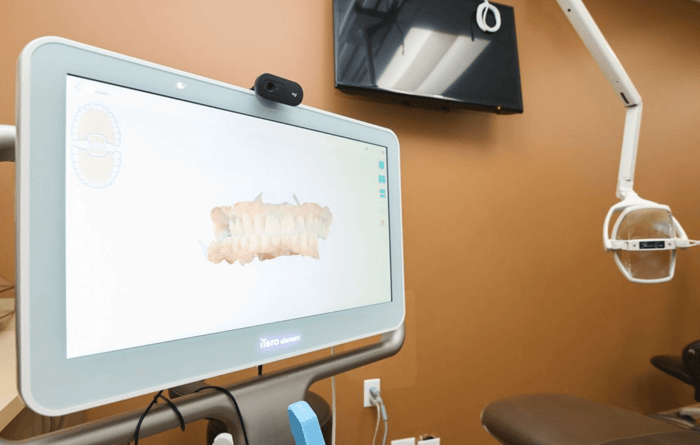
Modern tools like digital X-rays and rotary instruments speed things up and help preserve more of your tooth. Less time in the chair, more precision—hard to complain about that. Your comfort matters.
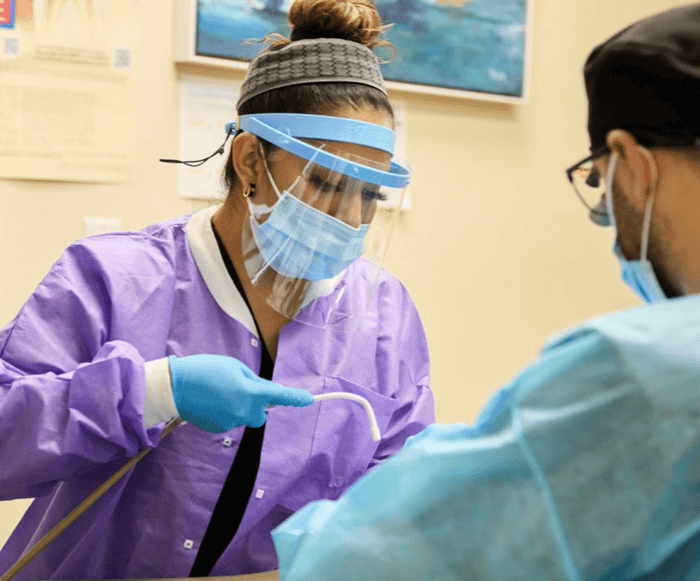
The team should explain each step and check in with you during treatment. They’ll use gentle techniques to limit pressure and sensitivity.
Cleaning, Filling, and Sealing with Gutta-Percha
The dentist makes a small opening to reach the infected pulp, removes it, and cleans the root canals. Special files shape and disinfect each canal to get rid of bacteria and debris.
After drying the canals, the dentist fills them with gutta-percha, a biocompatible material, to seal everything up and block reinfection. A temporary or final filling or crown restores the tooth’s strength and function.
You might feel mild soreness for a few days—over-the-counter pain relievers usually handle it. Keep the area clean and don’t skip your follow-up visit for the final crown or restoration.
Benefits You Feel When You Choose Root Canal Therapy
Root canal therapy stops pain, saves your tooth, and helps you skip more complicated and expensive fixes down the road. You’ll probably notice quick relief, normal chewing, and fewer follow-up procedures compared to losing a tooth.
Immediate Tooth Pain Relief
Most people feel a lot less pain soon after the dentist removes the infected pulp. Local anesthesia and modern tools let your dentist numb the area and work with precision, so that throbbing tooth pain that kept you up at night fades pretty fast.
Mild soreness might hang around for a few days. Over-the-counter pain meds and taking it easy on that side of your mouth help while things heal. If you had sensitivity to hot or cold, that usually goes away after treatment.
Your dentist checks that the canals are clean and sealed, so you’re less likely to need another emergency visit.
Preserving Bite and Jawbone Health
Keeping your own tooth helps your bite stay normal. That means less wear on your other teeth and less strain on your jaw joint. Chewing feels natural, and you keep your usual speech patterns.
A saved tooth still sends signals to the jawbone, which helps maintain bone density. Lose a tooth, and the bone can shrink over time, which might change your bite and lead to bigger dental problems later.
After root canal therapy, your tooth usually gets a crown. The crown protects the tooth so you can chew normally and, with good care, it should last for years.
How Root Canal Therapy Helps Maintain Jawbone Support
Keeping the root of a natural tooth allows the jawbone to continue receiving stimulation during chewing. That stimulation helps maintain bone density in the area.
The National Institute of Dental and Craniofacial Research notes that maintaining natural teeth helps preserve jawbone structure and supports overall oral health.
Avoiding the Hassle of Prosthetics
Choosing root canal therapy often means you don’t need a bridge or implant. Those work, but they usually take more appointments, cost more, and need longer healing than just saving your own tooth.
Bridges often require grinding down healthy teeth to support them. Implants need surgery and months of healing before you get the final crown. With a root canal and crown, you’re usually back to normal faster and with fewer steps.
Keeping your natural tooth also makes daily care simpler. You can brush and floss like usual—no special cleaning tools needed for most prosthetics. That makes long-term maintenance easier and less expensive.
Choosing the Right Team for Canal Treatments in El Segundo
Look for a team that explains endodontic treatment in plain language, uses up-to-date tools, and treats you with genuine care. The best providers offer easy scheduling, clear pricing or insurance help, and follow-up to protect your restored tooth.
When to See an Endodontist
See an endodontist if your tooth pain is severe, your tooth looks dark, or you notice a pimple-like bump on your gum. Endodontists specialize in root canals and handle tough cases—like curved roots, retreatments, or trauma—that general dentists might refer out.
Ask if they use digital X-rays or microscopes to find all the canals. Find out how many visits you’ll need, what anesthesia and pain-control options they offer, and whether they coordinate the final crown with your regular dentist. Clear answers make it easier to choose confidently.
Staying Comfortable with Patient-Focused Care
Comfort honestly starts with good communication. Pick a team that walks you through each step, reviews pain-control options, and answers your questions before anything begins. Knowing what’s coming helps calm nerves.
Look for modern tools—numbing techniques, digital imaging, and gentle rotary instruments. If you need extra calm, check if they offer sedation. Make sure they have a plan to follow up so your healing stays on track and any problems get handled quickly.
Getting the Most from Local Dental Services
Use local dental services to make things easier. Your general dentist can handle exams and crowns, while an endodontist does the root canal. Ask both offices how they share records and schedule everything so you don’t get stuck waiting and risk reinfection.
Check your insurance coverage and payment plans ahead of time. Keep copies of X-rays and treatment notes for smoother coordination. If you like having everything in one place, ask if your clinic partners with an endodontist or offers in-house root canals so you can stick with a familiar team.
Protecting Your Tooth for the Long Term
Canal treatment removes infection while preserving the natural tooth structure that supports chewing and jaw health. With proper care and restoration, many treated teeth continue to function well.
At El Segundo Modern Dentistry & Orthodontics, canal treatments utilize modern tools and careful techniques to enhance precision during the procedure. These approaches also help make treatment more comfortable and easier to manage for patients.
If tooth pain or sensitivity doesn’t go away, a dental exam can help identify the cause. Early treatment often makes saving the tooth easier and recovery smoother.
Frequently Asked Questions
Root canal treatment helps stop infection, save your natural tooth, and restore chewing function. Here’s what you might want to know about how it works and what to expect.
How can root canal therapy help prevent tooth loss?
Root canal therapy removes infected pulp and seals the canals to keep bacteria from spreading. By treating the infection, your dentist keeps the tooth’s structure and restores it with a crown or filling. Keeping the tooth means nearby teeth don’t shift, so your bite and jaw support stay intact.
What advantages does root canal treatment offer over tooth extraction?
Root canals save your natural tooth so you can keep normal chewing and feel. They usually cost less and need less follow-up than replacing a tooth with an implant or bridge. Saving the tooth also helps prevent jawbone loss, which often happens after extraction. You don’t have to deal with adjustments a prosthetic might need.
What are the common signs indicating a need for root canal therapy?
If you have pain when chewing, lingering sensitivity to hot or cold, swelling or tenderness in the gums, or a darkening tooth, those are warning signs. A small bump on the gum (an abscess) can show up, too.
Not every ache means you need a root canal, but if you notice these signs, see a dentist for an exam and X-rays.
Can root canal therapy reduce pain associated with damaged teeth?
Absolutely. Removing the infected pulp gets rid of the source of pain and pressure. Most people feel relief soon after the dentist takes out the inflamed tissue. You may have mild soreness for a few days, but over-the-counter pain meds usually work. Follow-up care and a final restoration help prevent pain from coming back.