Emergency Dentist Near Me For Nighttime Tooth Pain is often searched when pain suddenly disrupts your night. Sharp or throbbing pain can feel intense and may signal a deeper issue that needs attention.
At El Segundo Modern Dentistry & Orthodontics, the priority is treating dental problems quickly to protect your oral health and reduce discomfort. Emergency care focuses on identifying the cause and providing the right treatment as soon as possible.
In the sections ahead, you’ll learn when to act fast, what to do at home, and how emergency care can help relieve pain and protect your tooth.
When Nighttime Tooth Pain Means You Should Act Now
Some dental problems can wait for a regular appointment. Others may point to a dental emergency that needs quick care from an emergency dentist, a 24-hour emergency dentist, or an emergency dental clinic.
Night pain can feel stronger because you are lying down, blood flow changes, and you have fewer distractions. Pain tied to swelling, infection, or injury can get worse if you wait.
Signs You Need Emergency Dental Care Tonight
Treat the situation as urgent if you have a severe toothache, facial swelling, a suspected dental abscess, or pain that does not improve with home steps. A dental infection or gum infection can spread if ignored.
Other warning signs include a broken, cracked, or chipped tooth, a lost filling, or uncontrolled bleeding after an injury. A dental injury that changes your bite also needs attention.
When To Go To The ER Instead Of Waiting For A Dentist
Go to the ER if you have trouble breathing, trouble swallowing, major facial swelling, or heavy bleeding that will not stop. These signs may mean the problem is also medical.
If the pain is severe and you cannot reach a 24-hour emergency dentist or nearby clinics, the ER may be the safest first stop. Dental care can follow once the immediate risk is controlled.
Symptoms That Should Never Be Ignored
Do not ignore fever, pus, a bad taste in the mouth, or swelling that spreads from the tooth into the face or jaw. These signs can point to a serious infection that needs treatment.
A tooth that was knocked out, a severe bite injury, or broken dental work around braces also needs prompt help. The earlier you act, the better the chance of easing pain and protecting the tooth.
What To Do In The First 30 Minutes At Home
The first 30 minutes matter because simple steps can reduce pain and keep the problem from getting worse. Stay calm, protect the area, and avoid actions that can cause more harm.
Use gentle care only. If the pain is tied to trauma, a knocked-out, broken, cracked, or chipped tooth, or a lost filling, be extra careful while you arrange care.
Quick Steps To Manage Pain Safely
Rinse gently with warm salt water if comfortable
Apply a cold compress to reduce swelling
Take safe over-the-counter pain relief if appropriate
Avoid chewing on the painful side
Safe Ways To Reduce Pain And Swelling
Rinse your mouth gently with warm salt water if it does not hurt too much. If your face is swollen, use a cold compress on the outside of the cheek for 15 to 20 minutes at a time.
Over-the-counter pain relief may help if you can take it safely. Avoid putting aspirin directly on the gums, as that can burn the tissue. If you wear dentures or braces, remove only what is loose and easy to remove. Leave anything stuck in place.
What To Do If A Tooth Is Knocked Out Or Broken
If a knocked-out tooth comes out completely, hold it by the crown, not the root. Rinse it briefly with water if dirty, then try to place it back in the socket if you can do so safely.
If that is not possible, keep it in milk or in your cheek pocket and call for urgent care right away. For a broken or cracked tooth, save any pieces you can find and cover sharp edges with dental wax or sugar-free gum if needed.
Mistakes That Can Make The Problem Worse
Do not use very hot or very cold foods if they trigger pain. Do not chew on the sore side, and do not use home tools to pull, trim, or adjust a tooth or appliance.
If you have uncontrolled bleeding, do not keep checking it every few minutes. Hold firm pressure with clean gauze or a clean cloth, and get help if it does not slow down.
Why Sudden Tooth Pain Gets Worse At Night
Nighttime pain often feels stronger because pressure builds when you lie down, and inflamed tissue can throb more in a quiet room. If the problem is a dental infection or abscess, pain may become intense fast.
This pain often links to damage inside the tooth, gum infection, or a tooth with lost protection. A temporary fix can ease symptoms for a short time, but it does not treat the source.
Common Causes Behind Sharp Or Throbbing Pain
A deep cavity, exposed nerve, lost filling, broken, or cracked tooth can cause sudden pain after little or no warning. Bleeding gums can also point to inflamed tissue that needs care.
Sometimes pain starts after chewing, biting, or grinding during sleep. That pressure can turn a small problem into a severe toothache by bedtime.
How Infection, Pressure, And Damage Trigger Night Pain
Infection creates swelling inside the tooth or around the root. That pressure has nowhere to go, so pain can pulse and spread into the jaw or ear.
At night, the throbbing is easier to notice. If pain comes with swelling or a bad taste, the problem may be more than simple sensitivity.
When A Temporary Fix Is Not Enough
A cold compress, pain reliever, or saltwater rinse can help for a little while. Those steps do not stop decay, treat an abscess, or repair a tooth fracture.
If pain returns quickly or gets stronger when you lie down, you likely need emergency dental care. This is especially true when pain is tied to infection or a tooth injury.
How An Emergency Dentist Can Help By Morning
An emergency dental appointment helps assess the cause fast, ease pain, and prevent the issue from spreading. Many offices offer same-day appointments or a walk-in option for urgent problems.
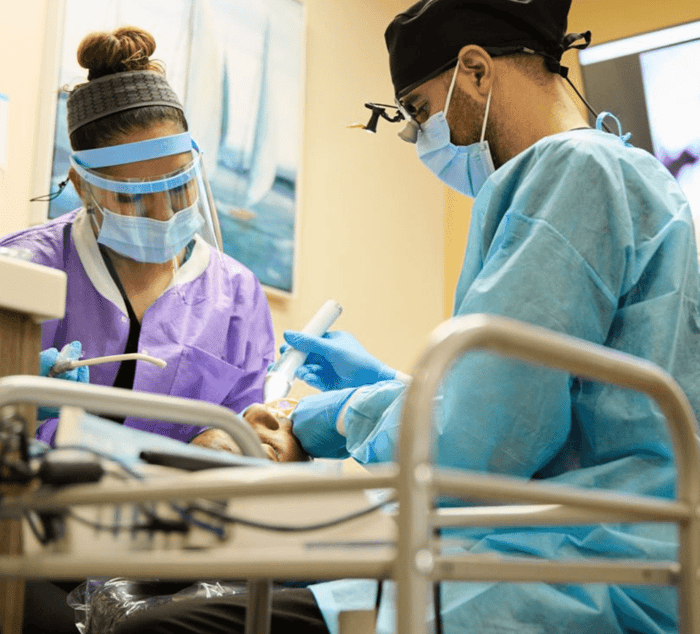
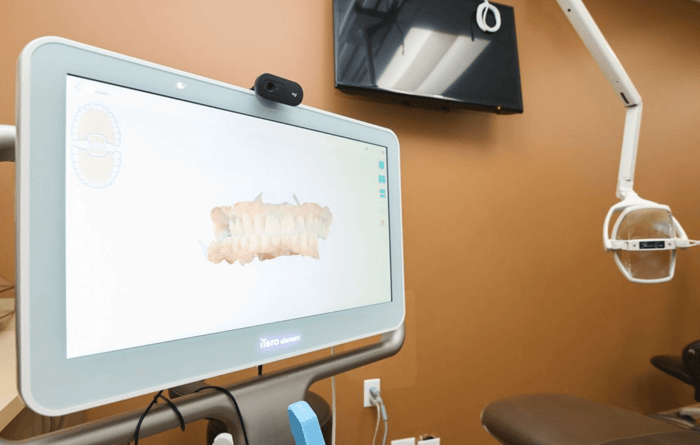
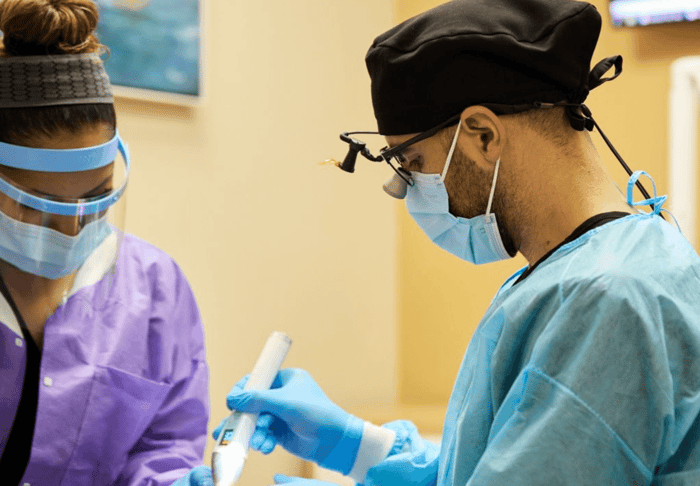
Modern tools and gentle methods can make care more comfortable and efficient. The goal is to stabilize the problem and plan the right next step.
What Emergency Treatment May Include
Issue | Immediate Treatment | Goal |
Severe toothache | Pain relief and exam | Identify cause |
Infection | Drainage or root canal | Stop spread |
Broken tooth | Repair or temporary fix | Protect structure |
Knocked-out tooth | Reimplant or stabilize | Save tooth |
What Happens During An Emergency Dental Appointment
The visit usually starts with a focused exam and digital X-rays if needed. The dentist checks the tooth, gums, and bite to find the source of pain.
If you are in severe discomfort, the first step may be to reduce pressure or numb the area. That can make it easier to move forward with treatment the same day.
Treatments You May Be Offered Right Away
Depending on the cause, you may need an emergency root canal, a filling for a lost filling, a repair for a broken tooth, or an emergency tooth extraction if the tooth cannot be saved. Some cases need oral surgery or denture repair.
If the problem involves braces, a loose wire or broken bracket may be adjusted to stop it from cutting your mouth. When infection is present, treatment may focus on removing the source before the pain gets worse.
When Follow-Up Care Is Part Of The Plan
Some urgent problems need a quick fix now and a longer treatment later. A tooth that gets an emergency root canal may still need a crown later for strength.
You may also need a follow-up visit if swelling is severe, if infection is advanced, or if an extraction site needs monitoring. That plan helps protect your long-term oral health.
How To Find Fast Help Near You Without More Stress
When pain hits at night, speed matters, but calm searching matters too. You want a real dentist near you who can see urgent cases, explain the next step, and give you direct instructions.
A few careful checks can help you find an emergency dentist near you without wasting time or making the pain feel worse. Search tools, phone calls, and referral help can all play a role.
Searching For A Dentist Near Me At Night
Look for terms like emergency dentist, 24-hour emergency dentist, walk-in dentist, or urgent dental care with your city name. If you are in the South Bay, searching for a dentist in El Segundo can help narrow the options fast.
Review whether the office lists same-day appointments or prioritizes emergencies. A clear after-hours phone message is also a good sign that the office knows how to handle urgent calls.
When A Dental Referral Service Can Help
A dental referral service can help if your usual office is closed or out of reach. It may point you to a nearby provider who handles emergency care or direct you to an open clinic.
This is useful if you are traveling, away from home, or unsure which office is open late. It can also save time when you need treatment before morning.
Questions To Ask Before You Head In
Ask whether they treat your specific problem, such as a knocked-out tooth, infection, or broken crown. Ask if they have imaging, sedation options, or a provider on call.
You can also ask whether they accept your dental insurance and what payment options they offer. That short call can prevent delays once you arrive.
Cost, Insurance, And Payment Questions People Have Right Away
Cost is a real concern when pain strikes suddenly, especially late at night. Many offices try to make emergency dental care more accessible. They offer clear pricing, insurance help, and payment options.
The exact cost depends on the treatment you need and how complex the problem is. A simple exam costs less than an emergency root canal or surgery.
What Emergency Dental Care May Cost
An emergency dental appointment may include an exam, X-rays, and a treatment plan. If you need immediate care, like an emergency root canal or emergency tooth extraction, the cost increases. These procedures take more time and supplies.
The type of tooth problem matters too. A minor chip usually costs less than a deep infection or a broken tooth that needs removal.
How Dental Insurance Usually Fits In
Many plans help cover emergency visits, especially when you need care for pain, infection, or trauma. Coverage may differ for exams, X-rays, fillings, root canals, or extractions.
You can ask if the office will check your benefits before treatment or estimate your portion of the bill. This gives you a clearer picture before you decide.
Payment Options If You Need Treatment Fast
If you do not have insurance, ask about payment options before your visit. Many practices offer flexible plans or other ways to help you get care. Affordable financing options and payment plans are available at many offices.
Emergency cases often receive priority. These options can help you get the care you need quickly. If you wake up with severe pain, do not wait to find the cause. Call for urgent dental care and get checked as soon as possible.
Get Fast Relief And Protect Your Oral Health
Nighttime tooth pain can signal a problem that should not be ignored. Acting quickly can help relieve discomfort and prevent the issue from getting worse.
At El Segundo Modern Dentistry & Orthodontics, emergency care focuses on diagnosing the problem and providing treatment that restores comfort and protects your oral health. Timely care can make a meaningful difference in your outcome.
If you are dealing with sudden tooth pain at night, do not wait. Contact a dentist right away to get the care you need and protect your tooth.
Frequently Asked Questions
Can I wait until morning for a toothache?
It depends on your symptoms. Mild pain may wait a few hours, but severe pain or swelling should be treated quickly. If symptoms worsen, seek care right away.
What is considered a dental emergency at night?
Severe pain, swelling, bleeding, or a knocked-out tooth are common emergencies. Signs of infection also need urgent care. These symptoms should not be ignored.
How can I reduce tooth pain before seeing a dentist?
You can rinse with warm salt water and apply a cold compress. Over-the-counter pain relief may help if safe for you. Avoid chewing on the affected side.
Will an emergency dentist treat me the same night?
Many offices offer same-day or urgent appointments. Availability depends on location and timing. Calling ahead helps confirm care options.