Early Clues You May Benefit From an Endodontist Evaluation can show up as small changes in how your tooth feels each day. These signs may seem minor at first, but they can point to deeper issues inside the tooth.
At El Segundo Modern Dentistry & Orthodontics, the focus is on helping patients understand symptoms early and act with confidence. An evaluation can help uncover the cause and guide the right next step.
In the sections ahead, you’ll learn which symptoms matter, what to expect during an evaluation, and how treatment decisions are made.
The First Signs That Should Not Be Ignored
Some symptoms seem minor, but they keep coming back. Others feel off, different from normal sensitivity, which might mean infection or damage inside the tooth.
Notice pain that keeps returning, sharp reactions to hot or cold, or swelling near a tooth? A cracked tooth, deep decay, or trauma could mess with the pulp and lead to a root canal down the road.
Common Warning Signs To Watch For
Tooth pain that lingers or returns after chewing
Sensitivity that lasts after hot or cold is removed
Swelling or a small bump on the gums
Pain after a recent injury or dental work
Persistent Tooth Pain That Lingers Or Returns
Persistent tooth pain is a big red flag. Pain that sticks around for hours, wakes you up, or returns after chewing could mean your pulp is inflamed or infected.
Sometimes, that pain feels deep, dull, or hard to pinpoint. If it keeps coming back, don’t wait—get it checked before it gets worse.
Hot, Cold, Or Biting Sensitivity That Feels Different
A quick zing from cold drinks happens. But if sensitivity lingers after the hot or cold is gone, or biting triggers sharp pain, something deeper might be wrong. Those changes often mean irritated pulp or a crack. If your usual foods now hurt, it’s time for a closer look.
Swelling, Sinus Tract, Or Signs Of Tooth Infection
Swelling around your gums, jaw, or face could signal infection. A little pimple-like bump on the gums, called a sinus tract, might be draining infection from the root. Don’t ignore these signs. Pressure can build up fast, and the tooth needs quick care to stop the infection from spreading.
Cracked Tooth, Tooth Decay, Or Dental Trauma After An Injury
Cracks can be sneaky, especially if they’re small. Deep decay or a hit to the tooth can damage the pulp, even if things look normal on the outside. If you’ve had a tooth injury, watch for pain, color changes, or new sensitivity. Small problems can turn into a root canal issue if you let them slide.
Why Your Dentist May Refer You To An Endodontist
Your dentist might spot signs that call for a specialist with extra endodontic training. You might get referred if the problem is deep in the root, the pain source is murky, or you need advanced testing.
It’s not a knock on routine care. Sometimes, you just need a different set of skills to save your tooth and get relief quickly.
When A Dental Specialist Is Needed Instead Of Routine Care
Specialists step in when symptoms don’t match what shows up in a regular exam. Endodontists handle trickier root and pulp issues inside the tooth. If you need root canal therapy, retreatment, or a closer look, a referral can get you a clear plan. It’s often the fastest way to get targeted care.
Why Referred Pain Can Make The Wrong Tooth Seem Guilty
Pain doesn’t always come from where you think. Sometimes, it feels like it’s coming from a different tooth—or even the other side of your mouth.
Endodontists use special tests to zero in on the real troublemaker. That way, you don’t end up treating the wrong tooth and can fix the real problem the first time.
How Specialists Help Save Your Tooth Before Extraction Is Needed
The main goal in endodontics?
Save your tooth if possible. Treating the inside can relieve pain, clear infection, and help you avoid losing the tooth. If the tooth can be saved, you might skip needing an implant or other replacement. Early referral often gives you more options to choose from.
What Happens During An Endodontic Evaluation
An endodontic evaluation usually starts with a review of your symptoms and a close look at the tooth and nearby areas. The idea is to get to the root of the problem, confirm the diagnosis, and pick the safest next step.
Modern tools help a lot here. Advanced imaging and targeted tests make it easier to spot things you can’t see with the naked eye.
Clinical Examination And Symptom Review
Your visit usually kicks off with an exam and a chat about your symptoms. You’ll get asked when the pain started, what makes it better or worse, and if you’ve had any injuries or dental work. Those details matter.
Small clues can point to infected pulp, cracks, or root irritation. Your answers help guide the rest of the process.
Diagnostic Tests That Check Pulp And Root Health
Several diagnostic tests might be used to check if the pulp is healthy. These include percussion tests, periapical tests, and the electric pulp test.
These tests show if the tooth responds normally and if the root area is tender. They’re usually quick and help pinpoint the exact source of pain.
Digital Radiography And When CBCT Adds A Clearer View
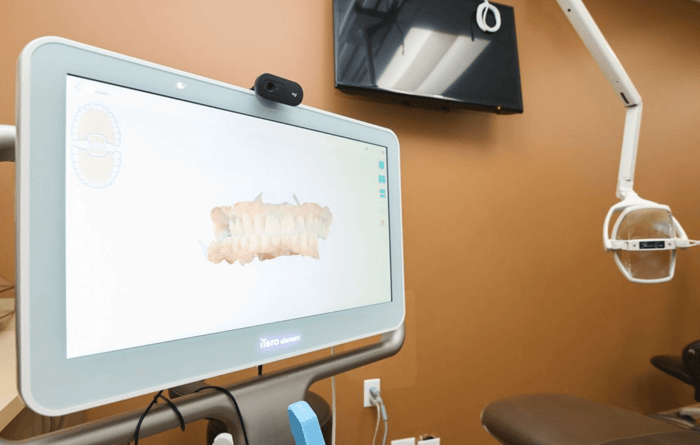
Digital radiography gives a detailed look at the roots and surrounding bone. Sometimes, a Cone Beam Computed Tomography (CBCT) scan, a special 3D image, offers a fuller view of canal anatomy, infection, or hidden cracks.
CBCT can really sharpen the diagnosis by showing the mouth and jaw from different angles. That’s especially helpful for infections or trauma cases. A clearer image means a more accurate treatment plan.
How Advanced Imaging Improves Diagnosis Accuracy
Modern imaging helps detect issues that may not appear in basic exams. According to the American Dental Association, digital X-rays and CBCT improve diagnostic precision.
These tools allow providers to plan safer and more effective treatment. According to the ADA, accurate imaging supports better long-term outcomes.
Periodontal Evaluation And Bone Loss Checks Around The Tooth
A periodontal evaluation might be part of the visit, especially if gum or bone health is a concern.
The specialist checks for bone loss and signs that the problem goes beyond the pulp. This matters because gum and bone issues can change your treatment options. It also helps confirm if the tooth can be saved in a healthy way.
The Treatments Your Evaluation May Point Toward
Your evaluation might point to several treatments. The right choice depends on how much the pulp’s affected, if the infection’s spread, and how much healthy tooth is left.
The goal is to pick the most practical option that keeps you comfortable and supports long-term oral health. Often, that means saving the tooth instead of removing it.
Treatment Options Based On Diagnosis
Condition | Possible Treatment | Goal |
Inflamed pulp | Root canal | Remove infection |
Early damage | Pulp therapy | Preserve pulp health |
Persistent infection | Retreatment | Restore function |
Severe damage | Extraction | Prevent spread |
When Root Canal Treatment Is The Best Next Step
Root canal treatment is usually recommended when the pulp is infected or inflamed. The inside of the tooth gets cleaned, shaped, and sealed to stop infection. This treatment can often save your tooth and ease pain. Afterward, a crown or other restoration protects the tooth for daily life.
When Vital Pulp Therapy Or Pulp Therapy May Be Possible
If you catch the problem early, vital pulp therapy or pulp therapy might work. These treatments try to keep part of the pulp alive when damage is limited. That’s a good option for certain teeth, especially if decay or injury is caught soon. Early checks give you a shot at a less involved treatment.
When Retreatment Or Apicoectomy Enters The Conversation
If you’ve already had a root canal but the tooth still acts up, retreatment might be needed.
Sometimes, endodontic surgery, such as an apicoectomy, helps treat infection near the root tip. These are considered if the first treatment didn’t fix the problem or if hidden anatomy makes things tricky. The specialist can walk you through what fits best.
When Extraction And Restoration Become Part Of The Plan
If the tooth’s too far gone, extraction might be safest. After that, options like dental implants can replace the missing tooth and restore how things work.
No one takes that decision lightly. An evaluation helps you see if saving the tooth is still possible, or if replacement might be the better long-term bet.
Questions To Ask Before You Move Forward With Care
You deserve a clear treatment plan before making a decision. Asking a few direct questions can help you feel more comfortable and ready. It also lets you compare options, timing, and costs to fit your needs and goals for your teeth.
How Your Custom Treatment Plan Is Chosen
Ask how they diagnosed the problem and why they recommend a certain treatment. A custom plan should reflect your symptoms, tooth condition, and imaging results.
You can also ask about other options besides root canal treatment, and what the likely results are for each. Clear answers help you move forward with more confidence.
What To Bring, Including Insurance And Prior Imaging
Bring your dental insurance info, any recent X-rays or imaging, and notes about your symptoms. If you were referred, prior records save time and avoid repeat tests. If you’re unsure about insurance coverage, ask early. Knowing what’s covered helps you plan ahead.
How Timing Affects Comfort, Cost, And Tooth Survival
Timing really does matter when a tooth gets inflamed or infected. Getting care early might ease discomfort and lower the risk of bigger issues. It also gives the tooth a better shot at survival.
If you wait, there’s a good chance more damage will happen. That can mean pricier, more complicated treatment—or even losing the tooth. If pain keeps coming back, it’s probably time to see a dentist in El Segundo who can check things out.
Recognizing Early Signs Can Protect Your Tooth Health
Noticing early symptoms can make a real difference in how your tooth is treated. Acting early often leads to simpler care and better long-term results.
At El Segundo Modern Dentistry & Orthodontics, evaluations are designed to identify problems clearly and guide you toward the right solution. Care is based on your symptoms, imaging, and overall oral health.
If you are dealing with ongoing pain or unusual sensitivity, schedule an evaluation today. Taking action now can help protect your comfort and your natural tooth.
Frequently Asked Questions
What does an endodontist evaluation check for?
An evaluation checks the health of the tooth pulp and surrounding tissue. It includes tests and imaging to find the cause of pain. The goal is to confirm a clear diagnosis.
When should I see an endodontist for tooth pain?
You should consider a visit if pain lingers, returns, or feels unusual. Sensitivity or swelling may also be signs. Early evaluation helps prevent more serious issues.
Is a root canal always needed after evaluation?
No, not every case requires a root canal. Some conditions may be treated with less invasive options. The treatment depends on the extent of damage.
Can an infected tooth heal without treatment?
An infected tooth usually does not heal on its own. Infection can worsen over time without care. Early treatment helps prevent complications.