Finding reliable tooth restoration near you can help you repair damaged, decayed, or missing teeth with treatments designed to restore comfort, function, and appearance. Whether you’re dealing with a chip, a cavity, or a missing tooth, modern restorative dentistry offers solutions that fit your needs and timeline.
At El Segundo Modern Dentistry & Orthodontics, our team provides supportive restorative care designed to relieve discomfort and protect weakened teeth. We also help patients rebuild a confident, steady bite.
In this guide, you’ll learn how tooth restoration works, which treatments may suit your situation, what to expect during evaluation, and how costs and insurance typically support these procedures.
What Is Tooth Restoration?
Tooth restoration repairs or replaces damaged or missing teeth so your mouth works and looks better. It focuses on fixing decay, fractures, or lost teeth and on keeping nearby teeth and gums healthy.
Purpose and Importance of Dental Restoration
Dental restoration helps you chew, speak, and keep a normal bite. When you lose tooth structure from decay, injury, or wear, restoration prevents more damage and reduces pain. It also stops nearby teeth from shifting, which can cause misalignment and jaw problems.
Restoring a tooth protects the underlying tooth root and gum tissue, lowering the chance you’ll need a tooth extraction or more complex treatment later. Restorations also support long-term oral health by making cleaning easier and lowering infection risk.
Common Types of Tooth Restoration
You can get many restorations depending on the problem and how much tooth is missing. Typical options include:
Fillings: Repair small to medium cavities with composite resin or amalgam.
Crowns: Caps that cover badly damaged or root-canal-treated teeth.
Bridges: Replace one or more missing teeth using adjacent teeth or implants as anchors.
Dental implants: Titanium posts placed in the jaw to hold crowns or bridges.
Dentures: Removable full or partial plates for multiple missing teeth.
Inlays/onlays and bonding: Conservative options for larger cavities or small chips.
Your dentist will assess tooth strength, bite forces, esthetic needs, and budget to pick the best option. Each type aims to restore tooth function, protect remaining tooth structure, and blend with your natural teeth.
Difference Between Restorative and Cosmetic Dentistry
Restorative dentistry focuses on function and health. It fixes decay, replaces missing teeth, and restores chewing and speech. Examples include fillings, crowns, root canals, and implants that aim to preserve oral health and prevent future problems.
Cosmetic dentistry focuses mainly on appearance. Procedures such as veneers, whitening, and cosmetic bonding change the look of your teeth. Sometimes a treatment serves both goals—like a crown that restores function and matches surrounding teeth—but the main goal of restorative work is to restore tooth function and oral health.
Dental Restoration Procedures Near You
You can get care for cavities, broken teeth, and deep infections at local dental offices or specialists. Treatments range from simple fillings to crowns and root canal therapy, depending on how much of the tooth is damaged.
Dental Fillings and Cavity Repair
If you have a small to medium cavity, your dentist will remove decay and fill the space to restore function and prevent more damage. Common materials include composite resin (tooth-colored), glass ionomer, and amalgam fillings (metal).
Composite resin is best for front teeth or visible areas because it matches your natural color. Glass ionomer can release fluoride and works well near the gumline or for children. Amalgam is durable and cost-effective for back teeth that take heavy chewing pressure.
The procedure usually takes one visit and needs local anesthesia. Your dentist will clean the cavity, shape the tooth, place the filling, and polish it. If decay is extensive, a filling might not be enough, and you may be advised to get a crown instead.
Dental Crowns and Temporary Crowns
When a tooth has large decay, a crack, or after a root canal, a crown covers the entire visible part of the tooth to restore strength and shape. Crowns can be made from porcelain, ceramic, metal, or porcelain-fused-to-metal, depending on strength and appearance needs.
You’ll have impressions taken so the lab can make a crown that fits your bite and matches adjacent teeth. Most crowns require two visits. On the first visit, the dentist reduces the tooth, fits a temporary crown, and sends impressions to a lab.
The temporary protects the tooth while the permanent crown is made. On the second visit, the dentist removes the temporary and bonds the final crown. If you need a fast option, some offices use same-day CAD/CAM milling to place a permanent crown in one visit.
Root Canal Treatment for Damaged Teeth
Root canal treatment saves a tooth when decay or trauma reaches the pulp (the nerve and blood supply inside the tooth). You’ll feel numb while the dentist or endodontist removes infected pulp, cleans the canals, and fills them with a rubber-like material.
This stops pain and removes infection while preserving the tooth’s root. After a root canal, the tooth often needs a crown because the structure becomes brittle.
Without a crown, the treated tooth can fracture. Root canal therapy usually takes one to two visits and has a high success rate when you follow post-op instructions and get the protective crown placed.
Options to Replace Missing Teeth
You can choose from long-lasting surgical options to removable ones that cost less. Each choice affects how you eat, speak, and how your jawbone holds up over time.
Dental Implants
Dental implants replace both the tooth and its root with a titanium post placed into your jawbone. Once the implant bonds with bone, your dentist adds an abutment and a crown that looks and functions like a natural tooth.
Implants prevent jawbone loss because chewing forces travel into the bone. They don’t need nearby teeth to be altered, so healthy teeth stay intact. Expect multiple appointments over several months and a higher upfront cost, but implants often last many years with good care.
Not everyone qualifies. Your dentist will check bone volume, gum health, and medical history. If the bone is thin, you may need a bone graft or a mini-implant option.
Dental Bridges and Pontics
A fixed dental bridge uses crowns on adjacent teeth to hold a false tooth called a pontic in the gap. Bridges restore chewing and appearance quickly and fit like natural teeth when done well.
Bridges work best when you’re missing one or a few teeth in a row. They cost less than implants and require fewer surgeries. However, your dentist must reshape the anchor teeth, which sacrifices healthy enamel and can raise the risk of decay or root canal later.
Maintenance includes regular brushing, flossing under the pontic, and dental checkups. Bridges usually last 5–15 years, depending on care and the condition of the supporting teeth.
Dentures and Partial Dentures
Dentures replace several or all missing teeth and sit on your gums. A full denture replaces an entire arch, while a partial denture fills several gaps and clips onto remaining teeth.
Dentures are the most affordable tooth replacement and work well when many teeth are missing. They are removable for cleaning and sleeping. Downsides include possible slipping, sore spots, and continued jawbone shrinkage because dentures don’t stimulate bone.
You can choose implant-supported dentures if you want more stability. That option secures the false teeth to implants, so your denture stays in place and improves chewing compared with traditional removable dentures.
Advanced Restorative Solutions and Materials
Specific restoration types, the professionals who perform them, and the materials used can help you pick the right option for your tooth’s location, budget, and appearance.
Veneers and Dental Veneers
Veneers are thin shells bonded to the front of teeth to fix chips, gaps, or deep stains. A prosthodontist or a general dentist with cosmetic training can place them. You usually get porcelain or composite veneers. Porcelain looks more like natural enamel and resists stains better.
Composite veneers cost less and can be placed in one visit, but they wear faster. The process takes two to three visits for porcelain: tooth preparation, impressions or digital scans, and final bonding.
For composite, a single visit may be enough. Veneers suit front teeth where appearance matters. They do not replace missing teeth and are not ideal for teeth with large decay or severe bite problems.
Inlays and Onlays
Inlays and onlays repair tooth damage that’s too large for a filling but not bad enough for a crown. An inlay fits within the cusps of the tooth. An onlay covers one or more cusps and may extend onto the chewing surface.
A prosthodontist or restorative dentist will prepare the tooth, take a digital scan or impression, and bond a lab-made or milled piece in place.
Materials include gold, porcelain, and high-strength composite. Gold lasts longest and is very durable, but porcelain and composite match tooth color. Choose inlays/onlays when you need strength and conservation of natural tooth structure.
Material Options in Tooth Restoration
You will choose materials based on strength, appearance, cost, and tooth location. Common choices:
Porcelain/ceramic: Best for front and visible teeth. Good aesthetics and stain resistance.
Composite resin: Lower cost, single-visit repairs, blends with tooth color but wears faster.
Gold: Extremely durable for back teeth; not tooth-colored.
Zirconia: Very strong and tooth-colored; used for crowns, bridges, and implant restorations.
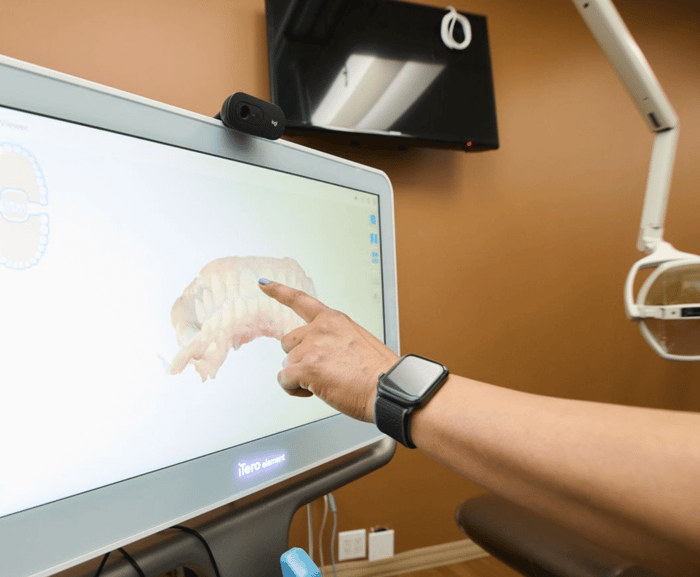
Modern dental technology uses digital scans and CAD/CAM milling to make precise restorations faster. Your dentist or prosthodontist will discuss trade-offs: longevity vs. look, and cost vs. conservation of tooth structure. Ask about warranties, expected lifespan, and whether the lab uses digital workflows for a better fit.
Who Is a Candidate for Restorative Dental Care?
You may need restorative care if you have pain, broken teeth, missing teeth, or trouble chewing. A dentist will check your mouth, X-rays, and medical history to decide the best repair options for you.
Signs You May Need Tooth Repair
If you have constant tooth pain, sensitivity to hot or cold, or pain when biting, you should get a dental checkup soon. Visible cracks, large chips, or a loose filling also signal the need for repair. Missing teeth that make chewing hard or change how your bite fits can require bridges, implants, or dentures.
Poor oral hygiene that leads to cavities or gum disease raises the chance you’ll need fillings, root canals, or extractions. Repeated infections, swelling, or bad breath that does not clear with brushing are red flags. Your dentist will use exams and X-rays to confirm whether a filling, crown, root canal, or extraction is right for you.
Considerations for Children and Teens
For kids and teens, early restorative care aims to save baby teeth and protect adult teeth. If a child has deep cavities, a dentist may place fillings, crowns, or perform a pulpotomy to avoid early tooth loss.
You should watch for pain, changes in chewing, or stops in normal tooth development. Orthodontic issues or missing teeth in teens can affect jaw growth.
Restorative choices may include space maintainers or bonded bridges until a final solution like implants becomes appropriate. Preventive dentistry—fluoride, sealants, and regular dental checkups—helps reduce the need for major repairs later.
Consultation with a Local Dentist
When you search for “tooth restoration near me,” pick a dentist who offers a full dental checkup, digital X-rays, and a clear treatment plan. Bring a list of symptoms, medications, and past dental work to help the dentist evaluate your candidacy for crowns, bridges, implants, or fillings.
Ask about cost, timeline, and alternatives such as preventive care to avoid extractions. Confirm the clinic’s experience with the procedures you might need and whether they coordinate with specialists for implants or root canals.
A good consultation will leave you with clear next steps and a plan tailored to your oral hygiene and health needs.
Costs, Insurance, and Oral Health Benefits
Tooth restoration costs vary by procedure, materials, and clinic. Insurance, payment plans, and long-term oral health gains affect what you ultimately pay and how well the repair lasts.
Dental Insurance Coverage and Payment Options
Dental insurance may cover part of restorative dental services like crowns, fillings, and some root canals. Check if your plan lists in-network providers and whether crowns are classed as major services; that affects the percentage covered.
Ask your insurer about deductibles, waiting periods, and annual maximums before treatment.
If insurance doesn’t cover the procedure, consider options such as using a Health Savings Account (HSA) or Flexible Spending Account (FSA) for pre-tax payments, arranging payment plans or in-clinic financing, or requesting a pre-treatment estimate to compare out-of-pocket totals.
Bring your policy details and ask the clinic to submit claims electronically. That reduces billing errors and helps you know what you’ll owe at the appointment.
Oral Health Benefits of Tooth Restoration
Restorative dental care restores bite function and prevents further damage to adjacent teeth. A properly fitted crown, bridge, or implant protects a weakened tooth from fracture and seals gaps that trap food and bacteria.
Restoration lowers your risk of gum disease by removing sources of infection and improving cleaning access. When you replace missing teeth, you preserve jaw alignment and chewing efficiency, which affects digestion and nutrition. You’ll also likely smile with more confidence once visible damage is fixed.
Discuss material choices (porcelain, metal-ceramic, zirconia) with your dentist because durability and esthetics affect long-term value and oral health outcomes.
Maintaining Results After Restoration
After treatment, follow a focused home care routine: brush twice daily with fluoride toothpaste and floss or use interdental brushes around restorations. Pay special attention to the margins of crowns and bridges where plaque builds up.
Schedule regular dental check-ups and cleanings every 3–12 months, depending on your risk for decay or gum disease. Your dentist will check bite function and adjust restorations if you develop grinding or shifting teeth.
Avoid hard foods on new restorations for a few weeks and consider a nightguard if you grind. Proper care helps restorations last longer and keeps your gums and surrounding teeth healthy.
How Preventive Care Extends Restoration Lifespan
Good home care helps restorations stay strong and last longer. The Centers for Disease Control and Prevention (CDC) states that brushing with fluoride toothpaste and regular checkups reduces decay risk around restored teeth.
Professional cleanings remove plaque buildup at the margins of crowns, bridges, and fillings—areas most prone to recurrent decay. Routine visits also allow early detection of fractures or wear before larger problems develop.
Combining preventive habits with consistent dental visits protects your investment and supports long-term oral health.
Choosing the Right Path to a Stronger Smile
Tooth restoration can repair damage, replace missing teeth, and improve daily comfort, offering solutions that range from simple fillings to implant-supported options. Understanding your choices empowers you to select treatment that supports long-term oral health.
At El Segundo Modern Dentistry & Orthodontics, we provide patient-focused restorative care that helps strengthen weakened teeth and rebuild natural function. Our approach also supports personalized treatment goals.
If you're ready to explore your options, schedule a consultation. A thoughtful evaluation and tailored plan can guide you toward a healthy, stable smile that lasts.
Frequently Asked Questions
This section lists specific treatments, typical costs, choice criteria for providers, lower-cost options, time frames, and clear differences between techniques. Use these answers to compare local clinics and plan your next steps.
What are the common methods for tooth restoration?
Fillings repair decay with composite or amalgam. Inlays and onlays fit into or on teeth when fillings aren’t enough, but crowns aren’t needed. Crowns cover badly damaged teeth or after root canals. Bridges replace missing teeth by anchoring to adjacent teeth or implants.
Dentures replace many or all teeth, either removable or fixed. Dental implants replace a single tooth root with a titanium post and crown for a long-term fix. Veneers and bonding fix chips, gaps, and cosmetic flaws with thin shells or resin.
How much does a typical tooth restoration procedure cost?
Composite fillings' cost varies with size and location, with amalgam being cheaper. Crowns are mid-to-high priced depending on the material, while bridges cost more due to multiple teeth. Dental implants are the most expensive single-tooth option.
Dentures are usually cheaper but depend on the material and fit. Obtain itemized estimates from local dentists for comparison.
What should I look for when choosing a dentist for tooth restoration?
Verify the dentist's experience with your procedure, like crowns, implants, or dentures. Review before-and-after photos and patient reviews for quality results. Ask about credentials, ongoing education, and membership in dental organizations.
Ensure the office uses modern imaging and clearly explains treatment steps and risks. Request a detailed cost estimate, warranty, or follow-up policy, and complication management plan.
Are there any low-cost options for tooth restoration?
Community dental clinics and dental schools offer reduced-cost care by supervised students. Public health or sliding-scale clinics may assist with routine restorations like fillings and simple crowns. Some clinics provide payment plans, financing, or dental credit for larger treatments. Seek nonprofit programs or charity events for free or low-cost services nearby.
How long does the tooth restoration process typically take?
Simple fillings typically take one 30-60 minute visit per tooth. Bonding and CAD/CAM crowns can often be completed in a single appointment. Traditional crowns and bridges usually need two visits over two to four weeks due to lab work.
Implant treatments take months: surgery, healing, then final crown. Dentures require multiple visits over a few weeks for impressions, fittings, and adjustments.