Clear aligners offer a modern way to straighten teeth without metal brackets or wires. Your Invisalign® dentist in El Segundo plans each step with digital scans so your treatment feels predictable and comfortable from the start.
At El Segundo Modern Dentistry & Orthodontics, your aligner plan is shaped around comfort, clarity, and long-term oral health. The team explains each stage in simple language so you know what to expect before treatment begins.
In this guide, you’ll learn how Invisalign® works, who qualifies, what appointments include, and how aligners compare with braces. You’ll also see the steps, benefits, and common questions patients ask before beginning treatment.
Invisalign® in El Segundo: What You Need to Know
You can get straighter teeth in El Segundo using clear, removable aligners instead of metal brackets. This section explains how Invisalign® works, how it differs from traditional braces, and who local dentists and orthodontists usually recommend for treatment.
Overview of Invisalign® and Clear Aligners
Invisalign® uses a series of clear plastic trays made from medical-grade material that fit snugly over your teeth. A local dentist or orthodontist starts with a digital scan, X-rays, and photos to create a step-by-step treatment plan.
Each tray moves specific teeth slightly, and you switch trays about every one to two weeks. You wear the aligners about 20–22 hours per day and remove them to eat and brush.
Typical monitoring visits in El Segundo occur every 6–8 weeks, so your provider can check progress and give the next set. Treatment length often runs several months to two years, depending on the issues.
Difference from Traditional Metal Braces
Clear aligners are nearly invisible, while metal braces use brackets and wires that are visible. Aligners are removable, so you can eat normally and clean your teeth easily; braces stay fixed on your teeth until treatment ends.
Invisalign® often causes less mouth irritation because plastic trays have smooth edges compared with metal components. Some complex bite problems still require metal braces or additional orthodontic appliances.
An orthodontist will evaluate whether aligners can handle rotations, severe crowding, or major bite corrections. Cost and appointment frequency can differ; aligner visits focus on progress checks, while braces may need more frequent wire adjustments.
Who Is a Candidate for Invisalign®?
You may qualify for Invisalign® if you have mild to moderate crowding, spacing, or bite issues such as a mild overbite or underbite. Teens and adults in El Segundo commonly use Invisalign®; many local practices treat both age groups. Your provider will review scans, X-rays, and your oral health to decide.
You might not qualify if you have very large tooth movements, severe jaw alignment problems, or untreated gum disease. If needed, an orthodontist in El Segundo can recommend alternatives like traditional braces or a combined approach using aligners with attachments, elastics, or limited enamel reshaping.
The Invisalign® Treatment Process
You will see a clear plan that starts with precise scans and ends with a series of custom aligners you change at home. Expect regular check-ins with your El Segundo provider and clear steps that move your teeth safely over time.
Digital Scanning and Custom Aligners
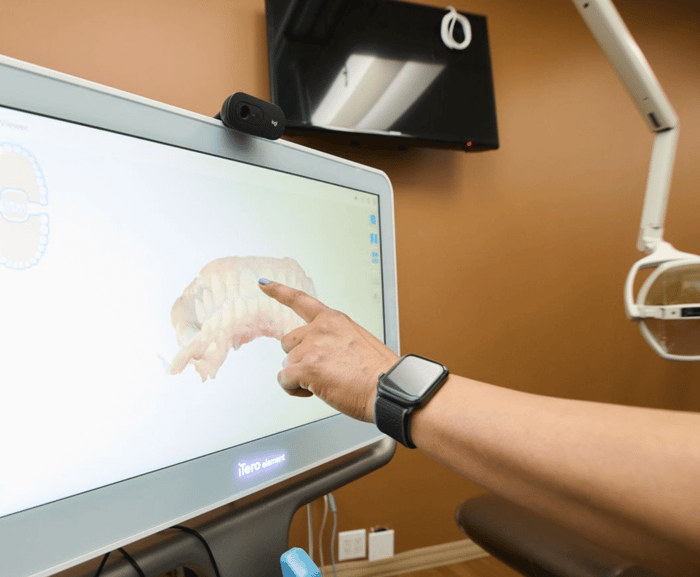
Your first step is a digital scan of your mouth. The dentist uses a wand-style scanner to capture 3D images; no messy impressions. These scans show tooth positions, bite, and spacing for the treatment plan.
The clinic sends the scan to Invisalign®’s lab, where technicians and software design a sequence of custom aligners. Each aligner applies small, planned forces to specific teeth. The aligners are clear, smooth plastic made for comfort and daily wear.
You will get a set of trays made to fit your mouth. The dentist reviews the fit and may make minor adjustments. Keep each tray clean and wear them about 20–22 hours per day for best results.
Step-by-Step Invisalign® Treatment Journey
Your treatment starts with a consultation and a digital scan. After the lab creates your aligner series, you receive the first set, and the dentist fits them in the office.
You typically wear each aligner for one to two weeks, then switch to the next in the series. Expect brief follow-up visits every 6–8 weeks so your dentist can check progress and give several future aligners. These visits are often short and focused.
Your dentist may use attachments — small tooth-colored bumps — to help certain teeth move. They may also perform interproximal reduction (slenderizing) if teeth need minor reshaping. Follow care instructions: remove aligners to eat, brush your teeth before reinserting, and store trays in their case.
How Long Does Invisalign® Take?
Treatment length varies depending on the tooth movement needed. Simple cases can finish in as little as 4–6 months. More complex orthodontic issues often take 12–18 months or longer.
Your dentist estimates the time after reviewing scans and the planned tooth movements. The number of aligners equals the planned steps; more steps mean a longer treatment. You control speed partly by wearing aligners for the recommended 20–22 hours daily.
If you lose an aligner or fall behind in wearing them, your timeline can extend. Attend scheduled check-ins and ask your provider about refinements or retainers once active treatment ends.
Benefits of Invisalign® for El Segundo Residents
You can expect a discreet, comfortable way to straighten teeth that fits daily life in El Segundo. The main gains are improved comfort and appearance, easier cleaning, and fewer limits on eating, work, or school activities.
Oral Health Changes During Aligner Treatment
Research from the Centers for Disease Control (CDC) shows that gum inflammation drops when plaque control improves, which often happens with removable aligners. Better cleaning access reduces bacteria and supports gum health.
Your dentist may recommend fluoride toothpaste or gel to protect enamel during treatment. These steps help reduce sensitivity and lower cavity risk as teeth shift. If you notice bleeding or swelling, schedule a check-in. Early attention helps keep treatment safe and predictable.
Comfort and Aesthetics
Invisalign® aligners use smooth, BPA-free plastic that reduces cheek and gum irritation compared with traditional metal braces. You feel less poking and fewer sores, so daily comfort improves quickly after you start treatment.
Because the trays are clear, most people in El Segundo will notice them less than metal brackets. That makes Invisalign® a good pick if you work with clients, attend frequent social events, or want minimal change to your smile during treatment.
The clear aligners also stain less if you follow the cleaning steps, so they stay low-profile. Your dentist creates a custom plan with 3D scans, so each aligner nudges specific teeth. That targeted design can shorten treatment time in some cases and produce steady, predictable tooth movement.
Removability and Oral Hygiene
You remove clear aligners to eat, drink, brush, and floss. That means you can keep your normal cleaning routine and lower risk of plaque buildup, gum inflammation, and staining that can happen with braces left in place around wires and brackets.
Take aligners out for meals and rinse them before reinserting. Brushing after meals before putting aligners back helps prevent trapped food and odors. Your dentist will still check progress, but daily oral care stays simple and familiar.
If you wear aligners as directed (generally 20–22 hours per day), you get the hygiene benefits without slowing treatment. That balance makes Invisalign® a practical choice for people who value both oral health and effective tooth movement.
Lifestyle Advantages Compared to Braces
With Invisalign®, you face fewer food limits than with metal braces. You can eat crunchy or chewy foods at restaurants or at home without damage, since you remove the trays first. That ease matters if you dine out often in El Segundo or travel for work.
Fewer emergency visits are common because there are no broken wires or loose brackets to fix. You still need routine check-ups, but appointments tend to be shorter and less frequent than with braces.
For sports or musical activities, removable aligners reduce the chance of mouth cuts from hard metal. If you play wind instruments or contact sports, discuss a plan with your dentist; you may use a retainer-style protector or temporarily remove trays during performance.
Comparing Invisalign® with Traditional Braces
You can expect differences in how each system moves teeth, when your orthodontist will recommend one over the other, and how costs and insurance typically work. Read on to see how Invisalign® compares to traditional metal braces for common issues, complex cases, and payment options.
Treatment Effectiveness for Different Cases
Invisalign® works well for mild to moderate crowding, spacing, and some bite issues. An orthodontist in El Segundo will likely use clear aligners to correct tooth rotations, small gaps, and mild overbites.
Aligners move teeth in small, planned stages, so you must wear them about 20–22 hours per day for predictable results. Traditional metal braces are often more effective for complex movements.
If you need large tooth rotations, significant vertical changes, or severe bite correction, braces give your orthodontist stronger control. Braces use brackets and wires that can apply continuous force and fine-tune tooth position with springs, elastics, or auxiliary appliances.
Many adults choose Invisalign® for aesthetics and removability, while teens and kids sometimes get braces for durability and compliance. Your orthodontist will assess X-rays, bite relationships, and jaw growth to decide which system will reach your treatment goals most reliably.
When Braces May Be Recommended Instead
Your orthodontist may recommend traditional braces if your case involves severe malocclusion, impacted teeth, or major jaw discrepancies. Braces allow complex mechanics like torque control and multi-plane tooth movement that clear aligners handle less predictably.
You’ll often see braces suggested when treatment needs precision in root movement or when extra appliances (headgear, expanders) are required. Braces also suit patients who struggle to wear removable appliances consistently.
If you often forget to wear aligners, treatment can be delayed or fail. Braces stay in place, so they remove the compliance variable. For younger patients whose jaws are still growing, braces can be combined with growth-modifying devices to guide jaw development more effectively.
If your orthodontist expects treatment time to be long or needs frequent, small adjustments, they may choose metal braces to maintain steady progress and reduce the risk of relapse.
Cost Comparison and Insurance Options
Invisalign® tends to cost slightly more than traditional metal braces, but regional prices and case complexity change that. In El Segundo, typical Invisalign® treatment often ranges higher because of the custom aligner sets and digital monitoring.
Braces cost varies by material; metal braces usually cost less than ceramic or lingual braces. Many dental insurance plans cover part of orthodontic treatment for both Invisalign® and braces. Coverage limits, lifetime maximums, and age restrictions differ by policy.
Your insurer may pay a percentage (e.g., 50%) up to a set maximum, or offer a flat orthodontic benefit. Ask your orthodontist’s office to submit a predetermination to estimate out-of-pocket costs for both options.
Payment plans and in-office financing are common. Compare total cost estimates, expected treatment time, and what insurance will actually pay before you commit.
Common Orthodontic Issues Treated with Invisalign®
Invisalign® can correct bite alignment and tooth spacing without metal brackets. Many patients in El Segundo get clear aligners for bite problems, crowding, and gaps under the care of a licensed orthodontist.
Treating Crossbite, Overbite, and Underbite
A crossbite happens when some upper teeth sit inside the lower teeth. Invisalign® aligners can shift individual teeth and guide jaw alignment when started early or combined with elastics. An orthodontist will scan your mouth to plan tooth movements and may add attachments to the aligners for extra force.
An overbite means upper front teeth overlap the lower front teeth. Invisalign® can reduce an overbite by moving upper or lower teeth and by controlling tooth torque. Complex skeletal overbites sometimes need additional procedures; your orthodontist will tell you if aligners alone will work.
An underbite places the lower teeth in front of the upper teeth. Mild to moderate underbites often respond well to Invisalign® with careful planning. Severe underbites caused by jaw position may require surgery or orthodontic appliances along with aligners. Your provider will explain which option fits your case.
Addressing Crowding and Gap Teeth
Crowding occurs when you lack space for all teeth to sit straight. Invisalign® creates space by moving teeth, sometimes using interproximal reduction (slenderizing) or staged expansion. You’ll get a treatment plan showing each step and expected timing.
Gaps or spacing between teeth can come from missing teeth, small teeth, or habits like thumb sucking. Clear aligners close these spaces by moving adjacent teeth together. An orthodontist may combine aligners with attachments or minor restorations for the best cosmetic result.
Both crowding and gaps need retainers after treatment. Retainers keep teeth from drifting back. Your provider will set a retention schedule based on how much movement occurred.
Suitability for Teens and Adults
Invisalign® works for many teens and adults, but the approach differs by age. Teens often use Invisalign® Teen trays with compliance indicators and extra planned eruptions for wisdom teeth. An orthodontist monitors growth and adjusts the plan as needed.
Adults benefit from predictable, discreet treatment and the ability to remove trays for work or events. They may experience slower tooth movement and face a higher risk of relapse if periodontal issues exist. An orthodontist will assess gum health and bone support before starting treatment.
Both age groups need to wear aligners about 20–22 hours per day for the best results. Regular checkups every 6–10 weeks let the provider track progress and order refinements if teeth aren’t moving as planned.
A Clearer Path to a Confident Smile
Invisalign® offers a discreet, flexible way to straighten teeth while supporting daily comfort and oral health. With clear trays and digital planning, you can follow a step-by-step path toward lasting alignment.
At El Segundo Modern Dentistry & Orthodontics, your treatment is shaped around clarity, comfort, and personalized education. Your dentist guides each stage so you feel confident in your progress and your results.
If you’re ready to explore aligners, schedule a consultation and review your goals with a trusted provider. A short visit can show* whether Invisalign® fits your needs and help you start your journey with confidence.
* We're sorry, but we do not accept Medi-Cal, Denti-Cal, or HMO.
Frequently Asked Questions
This section covers typical treatment length, what to check in local providers, which tooth problems aligners can fix, the steps to start treatment, food rules, and visit frequency. Read each answer to know what to expect in the area.
How long does the Invisalign® treatment typically take?
Most adult cases finish between 6 and 18 months. Mild crowding or small gaps can take about six months, while more complex bite issues often need a year or more.
A dentist will give a clearer estimate after scans and a treatment plan. The number of aligner sets and how well you wear them determine the actual time.
What should I consider when choosing an Invisalign® provider in El Segundo?
Pick a provider who shows before-and-after photos of cases like yours. Look for someone with specific Invisalign® experience, clear pricing, and a local office for easy follow-ups.
Ask about digital scanning, treatment monitoring options, and whether they work with teens or adults, if that matters to you. Confirm what warranties, retainers, or follow-up care are included.
Can Invisalign® correct the same issues as traditional braces?
Invisalign® treats many issues like mild to moderate crowding, spacing, and some bite problems. It handles most cosmetic and many functional cases.
Severe tooth rotation, very large gaps, or complex jaw alignment might still need braces or combined treatments. A dentist will advise whether aligners are suitable after an exam and imaging.
What is the process for beginning Invisalign® treatment?
A dentist will examine your teeth, take scans or impressions, and capture X-rays and photos. They use that data to build a 3D plan showing tooth movement and estimated time.
Once you approve the plan, the lab makes your custom aligners, and you get instructions on wear and care. You’ll switch aligners roughly every two weeks unless your provider sets a different schedule.
Are there any dietary restrictions while undergoing Invisalign® treatment?
You remove aligners to eat and drink, so you can keep your normal diet. Avoid chewing with aligners in and skip sticky or hard foods if you wear attachments that can be dislodged.
Rinse or brush after eating before putting aligners back in to avoid staining and decay. Avoid hot drinks while aligners are in, since heat can warp the plastic.
How often will I need to visit the dentist during my Invisalign® treatment?
Expect checkups roughly every 6 to 8 weeks to monitor progress and receive new sets of aligners. Some practices use remote monitoring for minor adjustments and fewer in-person visits. If you have issues like fit problems, sore spots, or a broken aligner, contact your provider sooner for care.