A lot can change in a growing smile. The benefits of early orthodontic care for kids and teens often start with something simple: timing. When concerns are spotted early, small adjustments can guide healthy development.
At El Segundo Modern Dentistry & Orthodontics, early evaluations focus on clarity, comfort, and prevention. Parents often feel relieved to learn that many orthodontic concerns are easier to guide during growth. Early insight helps families understand options without pressure or confusion.
In this guide, you will learn why timing matters, what happens during an orthodontic evaluation, and which signs deserve attention. You will also see how early care may support jaw growth, improve function, and build lasting confidence.
Why Early Orthodontic Evaluation Is a Game-Changer
Early checks catch small problems before they turn into bigger ones. Dentists can use growth to guide jaws and teeth, making later treatment shorter and gentler.
Spotting Hidden Problems Before They Escalate
When you get an orthodontic evaluation by age 7, your provider can spot issues you might miss at home. Crowded, missing, or extra teeth, and crossbites can hide behind baby teeth. A quick exam and simple X-rays show how adult teeth are forming and if they'll have space.
By finding these problems early, your team can monitor growth and act at the right time. You avoid waiting until teeth are badly crooked or jaws are misaligned. That means fewer surprises and more choices about braces or other options.
Seizing Growth Opportunities for Better Outcomes
Children's jaws grow fast, and early orthodontic care uses that growth to guide development. Treating during growth windows lets you correct jaw size, widen arches, or move teeth with less force. Later treatment can become easier and faster.
Results get more predictable when treatment matches growth phases. Expanding the upper jaw before growth ends can improve bite, breathing, and tooth fit. Your provider will explain the timing so you know when to act.
Preventing Advanced Treatments Later On
Early evaluations lower the chance of needing extractions, jaw surgery, or long, complex care as a teen. Fixing misalignment early helps permanent teeth move into better spots, reducing the need for major corrections later.
When you act sooner, many kids spend less time in braces and use simpler appliances. The team lays out clear options and what to expect, so you know the benefits and timeline.
What to Expect: The Early Orthodontic Evaluation Experience
Early orthodontic checks look at jaw growth, tooth timing, and bite function. You'll get clear findings and a plan if treatment or monitoring will help prevent bigger problems.
Tailored Exams for Growing Smiles
Your visit starts with a chat about your child's dental history and any issues like trouble biting or chewing. The orthodontist checks how the jaws fit, how teeth are coming in, and if baby teeth are falling out too late or too early.
Orthodontists or pediatric dental teams adjust the exam to your child's age. For young kids, they focus on growth patterns and space for adult teeth. For teens, they look at misalignment and how timing affects results.
Expect a gentle, hands-on exam that keeps kids at ease. The team explains each step in simple words so you both understand the next steps and treatment options if needed.
Key Signs Your Child Might Need an Evaluation
Watch for late loss of baby teeth, crowding, or big gaps that don't close. Trouble biting, chewing, or a lisp can point to bite problems. Notice mouth breathing, thumb-sucking after age five, or a jaw that shifts when opening and closing.
Jaw pain, frequent headaches, or worn teeth can mean the bite isn't working right. If you spot any of these signs, ask for an evaluation. Early checks often let the orthodontist use simpler treatments to guide jaw growth and reduce the need for complex work later.
Tools and Techniques: X-Rays, Imaging, and More
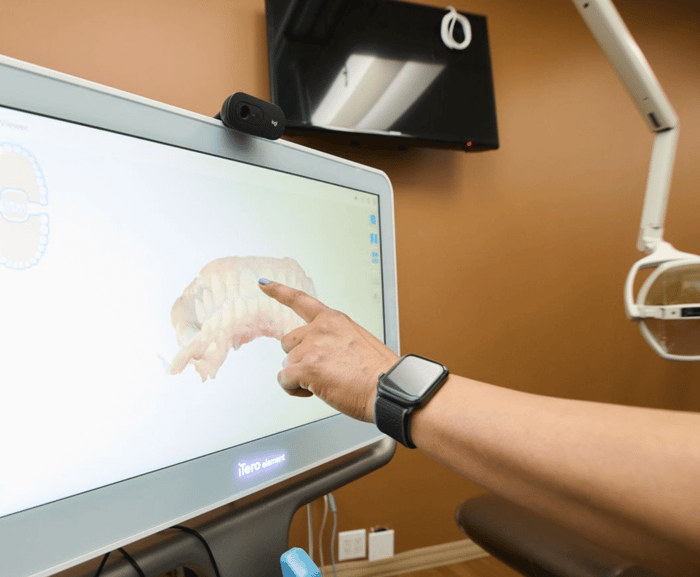
The team uses digital X-rays to see tooth roots and where adult teeth will erupt. Panoramic images show jaw growth and missing or impacted teeth. 3D imaging and intraoral scans create precise models without messy impressions.
These images help the orthodontist plan timing for braces or expanders. You'll get clear explanations of each image and what it shows. The practice uses low-radiation X-rays and explains safety steps, so you know how the tools help make exams safe and effective.
Are Dental X-Rays Safe For Children?
Many parents wonder whether dental X-rays are safe for young patients. Modern dental imaging uses extremely low radiation levels and is considered safe when used appropriately. Protective measures such as lead aprons and digital imaging technology further reduce exposure.
These tools help dentists evaluate developing teeth, jaw position, and potential eruption issues. The American Dental Association notes that dental X-rays are an important diagnostic tool for identifying hidden oral health concerns that cannot be seen during a visual exam.
Transformative Benefits of Early Intervention
Early checks can steer jaw growth, stop harmful habits, save space for adult teeth, and boost your child's confidence with clearer teeth and smiles. Simple tools like space maintainers, partial braces, or interceptive treatment fix small problems before they get worse.
Guiding Jaw Growth for Healthy Development
Getting an early evaluation around age 7 helps your child's jaw grow the right way. Orthodontists look for uneven growth, crossbites, or a narrow upper jaw and may use appliances to guide bone development.
These devices gently widen the upper jaw or redirect growth, lowering the need for complex procedures later.
Early guidance can reduce crowding and improve how teeth fit together. Treating jaw issues early may avoid future surgeries and make later braces simpler and faster. Kids often wear removable or fixed appliances for months, not years.
Modern tools like 3D imaging help the team plan precise, comfortable care. You'll get steps and timelines, so you know what to expect at each visit.
Correcting Harmful Oral Habits Early
Thumb sucking, pacifier use, and tongue thrusting can shift tooth and jaw positions. If these habits continue, they might cause an open bite or push the front teeth forward. Early checks spot habits and offer simple fixes to stop them before permanent damage sets in.
Orthodontists use habit counseling and appliances to break the behavior. For instance, a small device behind the front teeth can block thumb sucking and help the tongue rest in the right place. This treatment stops forces that pull teeth out of alignment.
You'll see results faster when you act early because young mouths adapt quickly. The team tells you what to do at home, and tracks progress at follow-ups.
Creating Space for Permanent Teeth
If baby teeth are lost early, adult teeth may drift and block their path. Space maintainers keep spots open so permanent teeth can come in straight. This prevents crowding that would otherwise need full braces or extractions later.
Interceptive treatment can include partial braces to move a few teeth and make room. These smaller treatments guide erupting teeth into better spots, cutting down on future work. You avoid more invasive procedures when the mouth grows with planned space.
Your provider tracks tooth eruption and recommends the right device—often a simple metal or acrylic spacer—until adult teeth arrive. This saves time and keeps a natural smile line.
Boosting Confidence Through Improved Appearance
Fixing small issues early changes how your child feels about their smile. Straightening teeth, closing gaps, and correcting an open bite make eating and speaking easier. Confidence at school and with friends often grows, too.
Partial braces and timely treatment can create visible changes in months for many kids. Early wins help your child accept longer-term care if needed and motivate good habits. The team explains each step clearly and focuses on comfort during visits.
Customized Treatment Paths for Kids and Teens
Early checks help you catch jaw and tooth issues while growth is still flexible. That makes some treatments simpler, shorter, and less invasive. Your child's care follows a plan based on age, growth, and specific needs.
Monitoring and Timing Treatments for Maximum Effect
Orthodontists and dental teams watch how teeth and jaws develop over time. They use exams and X-rays to spot crowding, bite problems, or missing teeth. Regular visits help them pick the best time to act, often during growth spurts when bones respond faster.
Timing might mean starting with simple appliances now and braces later, or waiting until most adult teeth come in. For many, a first check by age seven helps set that timeline. You avoid rushing into full treatment and lower the chance of more complex work later.
Popular Devices: Expanders, Braces, and More
Expanders widen the upper jaw to make room for adult teeth and improve bite fit. Space maintainers hold room when a baby tooth is lost early, stopping crowding. Partial braces fix a small group of teeth when full braces aren't needed yet.
Traditional metal braces still work well for major corrections. Clear aligners can suit teens who need mild shifts and want something less visible. Your care team explains comfort tips, wear time, and how each device fits into the plan so you know what to expect.
Partnering With Pediatric Dental Specialists
You and your child benefit when a board-certified orthodontist teams up with pediatric dental care. Pediatric dentists focus on children's needs, like behavior guidance and preventive care. Orthodontists handle tooth and jaw alignment, growth, and appliance choices.
This partnership coordinates treatments like extractions, space maintainers, or partial braces. Providers share X-rays and notes so steps feel connected and clear. That teamwork keeps visits efficient and lowers stress for your child.
Growing Smiles Deserve The Right Start
Early orthodontic care gives families a chance to guide development instead of reacting to bigger problems later. When growth is working in your child’s favor, treatment can often be simpler and more predictable.
At El Segundo Modern Dentistry & Orthodontics, early evaluations are designed to help parents understand timing, options, and next steps. Clear guidance makes it easier to support your child’s comfort, health, and confidence.
If you are wondering whether the time is right for an orthodontic check, a conversation can make things clearer. A thoughtful evaluation today may help protect your child’s smile for years to come.
Frequently Asked Questions
Early checks spot jaw growth problems, crowding, bite issues, and habits like thumb sucking. Getting care early can make treatments simpler, shorter, and less invasive later on.
What are the benefits of starting orthodontic treatment at a young age?
Early treatment guides jaw growth, helping teeth fit better as they come in. This may reduce the need for extractions or jaw surgery later.
How can early orthodontic evaluation help in intercepting future dental issues?
Exams find crowding, overbite, underbite, or crossbite before they worsen. Appliances or habit therapy can change growth patterns and protect permanent teeth.
At what age should a child first visit an orthodontist for an evaluation?
The American Association of Orthodontists suggests a first check by age 7. If your child has early or late tooth loss, thumb sucking, or chewing trouble, go sooner.
What types of orthodontic issues can be addressed with early intervention?
Early care treats jaw growth problems, crowding, gaps, crossbite, overbite, underbite, and bad habits like thumb sucking or tongue thrusting.
Are there any risks or downsides to beginning orthodontic treatment early?
Starting early can mean longer care if a second phase is needed. Some kids only need monitoring. Braces or appliances may cause mild discomfort and require good hygiene.
How does early treatment contribute to the long-term oral health of kids and teens?
When kids get their bite and alignment fixed early, it's easier to keep their teeth clean. That means fewer cavities and less chance of gum trouble. Good jaw alignment also helps protect teeth from getting hurt.
Early care usually makes adult treatment simpler and helps with chewing and speaking. It encourages healthy growth and gives kids a more comfortable smile down the road.