You’ve probably found yourself staring at the whitening aisle for way too long, comparing boxes that all promise a dazzling smile. Maybe you tried whitening strips a while back and saw a little difference, but nothing dramatic.
So now you’re left wondering: is it really worth paying for professional teeth whitening, or could a better at-home kit give you the results you want for less?
The honest answer is that it depends on what is staining your teeth, and the boxes on the shelf will not tell you that. Whitening is chemistry, not magic, and the right method depends on your stains, your budget, and how fast you want a change. This guide lays that out so you are not guessing in the drugstore aisle.
Keep reading for a side-by-side comparison of professional teeth whitening and at-home kits: results, speed, safety, and value. Whether you care most about convenience or the most dramatic whitening possible, this should help you feel more confident about your next move.
What Changes You Can Actually Expect
Most whitening treatments can lighten your teeth by several shades, but how much depends on what caused your stains and which method you use. Knowing what whitening can and can’t do helps you avoid dumping money into something that won’t fix your specific discoloration.
How Whitening Lifts Surface Stains
Whitening agents penetrate your enamel and break up stain molecules. Hydrogen peroxide or carbamide peroxide, the usual active ingredients, release oxygen that lifts pigment from inside the tooth. Both in-office and take-home products use similar teeth whitening chemistry, just at different concentrations.
Surface stains from coffee, tea, red wine, or tobacco usually respond well. You might see a cleaner, brighter look even after just one good application. Deeper or older stains? Those often need multiple sessions or stronger formulas.
Which Discoloration Responds Best
Yellow teeth from age or diet usually whiten more easily than gray or brown ones. Stains in the outer enamel lift faster than those deeper in the dentin. Tetracycline staining or fluorosis can be stubborn and may need something like porcelain veneers or dental bonding instead of standard whitening.
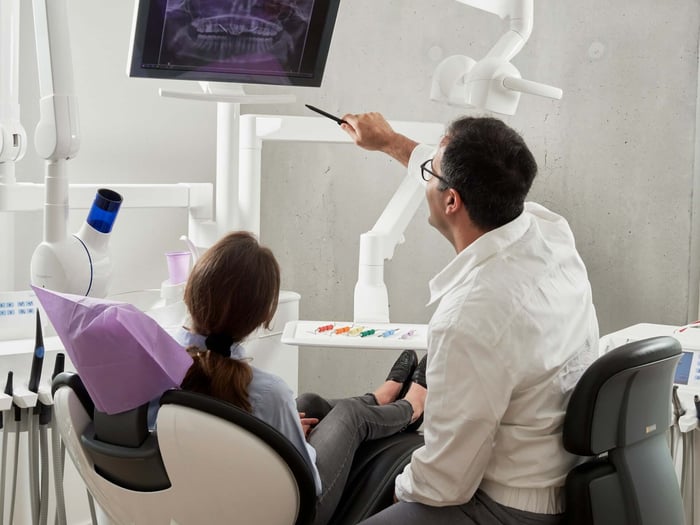
If you’re not sure what’s causing your stains, a quick checkup with dental X-rays can show if the discoloration is on the surface or deeper inside your tooth.
Why Dental Restorations Need Special Planning
Crowns, composite fillings, fixed dental bridges, and dentures just don’t change color with bleaching agents. If you whiten your natural teeth around existing dental work, those restorations might stand out as darker or mismatched.
It helps to plan ahead. Many dentists suggest whitening first, then matching any new restorations to your brighter shade. That way, everything blends and looks natural.
So, what’s the real difference between professional and at-home whitening once you’re in the chair or opening a box at home?
Professional Teeth Whitening vs At-Home Kits, Side by Side
All whitening products use similar chemistry, but the concentration, delivery, and supervision set them apart. It’s worth knowing how these mechanics affect your experience.
What Happens During In-Office Treatment
For in-office whitening, your dentist covers your gums with a protective barrier to prevent irritation. Then, they apply a strong whitening gel, usually 25% to 40% hydrogen peroxide, right onto your teeth. Some offices add a special light to speed things up.
You’ll sit back for about 45 to 90 minutes while the gel does its thing. Sometimes, they’ll reapply the gel a couple of times.
Most people feel mild tingling or quick zings of sensitivity, but it’s usually manageable. Before you leave, you’ll see a real shade change. The dental team monitors the whole process, so they can tweak things if you get uncomfortable.
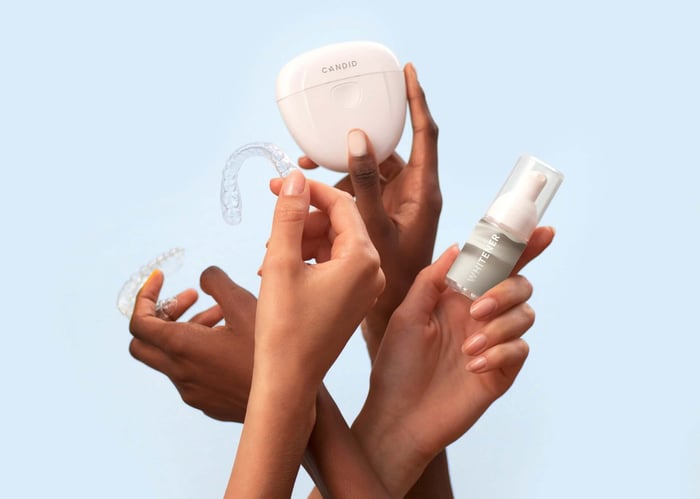
How Whitening Strips, Pens, and Trays Are Used
Over-the-counter whitening comes in a few forms. Here’s a quick rundown:
Whitening strips: Press a thin peroxide gel layer onto your front teeth for 20 to 45 minutes per session
Whitening pens: Paint a bit of gel onto specific teeth for quick touch-ups
Pre-made whitening trays: Hold gel against your teeth using a one-size-fits-most tray, usually for 30 to 60 minutes
Whitening toothpaste: Uses mild abrasives and a little peroxide to slowly reduce surface stains over weeks
These OTC products usually contain carbamide peroxide at 10% to 16%, much less than what you get at a dental office. Since the fit isn’t custom, the gel can miss spots, and results may be patchy, especially if your teeth are crooked or overlap.
Where Custom Take-Home Trays Fit In
Custom take-home trays are kind of a middle ground between store-bought kits and full in-office treatment. Your dentist takes a digital impression and makes trays shaped just for your teeth. You fill them with a prescribed gel and wear them at home for a set time each day.
The snug fit helps the gel reach every surface, and the peroxide concentration is stronger than OTC stuff. If you want professional results but need flexibility, this option might be your sweet spot.
Each method gives a different experience. The next thing you’ll want to know is how fast you’ll see results and how long they’ll last.
Speed, Shade Change, and How Long Results Last
In-office whitening can brighten your teeth in a single visit. Home kits work more slowly, building up over days or weeks. How you care for your teeth after whitening makes a big difference, too.
When You May See Same-Day Improvement
Professional whitening often brightens your smile by three to eight shades in just one appointment. You walk out with noticeably whiter teeth that day. The high peroxide concentration and controlled setting really speed things up.
If you’re prepping for a wedding, job interview, or big event and need fast results, in-office whitening is the quickest route. Of course, it costs more up front, but sometimes that’s worth it.
Why Gradual Whitening Takes More Consistency
At-home kits work more slowly because they use lower peroxide concentrations. Most OTC strips or trays need daily use for two to four weeks before you’ll see much difference. Skipping days can slow your progress.
Research on whitening gel application protocols shows that sticking with the routine is as important as the product itself.
If you’re disciplined and wear the strips or trays for the full recommended time each day, gradual whitening can still give you a satisfying result. Plus, the lower concentration means less sensitivity for a lot of people.
Custom take-home trays from your dentist usually work faster than regular OTC kits, sometimes within a week or two, because the gel is stronger and the fit is just right.
How Touch-Up Treatments Help Maintain Brightness
No whitening method lasts forever. Coffee, tea, red wine, and just getting older will slowly bring stains back. Touch-ups, whether that’s a quick in-office session every six to twelve months or a few nights with your trays, help you keep your smile bright.
Factor | In-Office Whitening | OTC Strips/Trays | Custom Take-Home Trays |
|---|---|---|---|
Time to visible results | Same day | 2 to 4 weeks | 1 to 2 weeks |
Typical shade improvement | 3 to 8 shades | 1 to 3 shades | 2 to 5 shades |
Duration of results | 6 to 12+ months | 3 to 6 months | 6 to 12 months |
Touch-up frequency | Every 6 to 12 months | Every few months | Every 4 to 8 months |
Regular dental exams and cleanings help get rid of new stains before they set in. Good oral hygiene and occasional touch-ups keep your whitening results looking natural.
Speed and longevity matter, but what about safety? That’s usually the big concern for most people.
Safety, Sensitivity, and Enamel Concerns
Most whitening products are safe for healthy teeth if you use them as directed, but sensitivity and worries about enamel are the two main things that make people hesitate. Understanding the causes can help you choose what’s best for you.
What Causes Temporary Tooth Sensitivity
Peroxide seeps into your enamel to reach stains, but it can also irritate the nerve in your tooth for a bit. The higher the concentration and the longer the gel sits, the more likely you’ll feel quick bursts of sensitivity. This is the most common side effect, whether you go pro or do it at home.
Sensitivity usually fades in a day or two. Using toothpaste for sensitive teeth before and after whitening can help. If you already have sensitive teeth, tell your dentist before starting any whitening. If you get nervous in the chair, ways of easing dental anxiety can make cosmetic visits easier too.
How Gum Protection Reduces Irritation
Gum irritation happens if whitening gel leaks onto your gums. In-office treatments use a rubber dam or liquid barrier to protect your gums before the gel goes on. This is one of the biggest perks of having a pro handle it.
OTC strips and generic trays can move around, letting gel pool along the gum line. Custom take-home trays fit better and keep the gel where it belongs, so you’re less likely to have issues.
When Overuse Can Raise Enamel Erosion Concerns
If you stick to the recommended guidelines, whitening usually won’t permanently hurt healthy tooth enamel. The problems really start when people stack different products, leave them on for too long, or do treatments way too often.
Plenty of DIY whitening tricks you find online, like mixing baking soda and lemon juice, can be rough or acidic enough to wear down enamel over time.
If you have weak enamel, active cavities, or untreated gum disease, you should hold off on whitening until you sort those out. A periodontal evaluation or a professional deep cleaning might need to come first so your mouth is ready for whitening.
Now, with safety out of the way, most people really just want to know: how much is this going to cost, and is it convenient?
Cost, Convenience, and Which Option Fits Your Goals
You can pick up a drugstore whitening kit for $20 to $50. If you go for in-office whitening, you’re looking at $300 to $800 (sometimes more) per session. But the sticker price doesn’t tell the whole story. Value comes down to whether the results meet your expectations and how long they stick around.
When Lower Upfront Cost Makes Sense
If your teeth only have mild stains and you’re okay with a slow and steady approach, at-home whitening is a solid place to start. Good OTC strips can lighten teeth by one to three shades if you use them regularly. For anyone on a budget who just wants a bit of improvement, the lower price is a real perk.
But remember, you might end up buying more strips every few months to keep your results. Over a year, those costs can pile up. Some people realize they’ve spent as much on OTC stuff as they would have on a single professional session.
Who Benefits More From Professional Oversight
Professional whitening really shines when you want clear, big results in a safe setting. You also get a pre-whitening exam, which can catch cavities, worn enamel, or early gum disease before bleaching makes things worse. That quick check can save you a lot of hassle and wasted money.
If you have moderate or heavy stains, dental work, or a history of sensitivity, you’ll probably get the most out of professional care. The dentist tailors the plan to your mouth and can make changes on the spot if needed.
Choosing Based on Budget, Timeline, and Stain Severity
Here’s a quick breakdown to help you figure out what fits your priorities:
Budget is your top concern, and staining is light: Try quality OTC strips and see how things look after two weeks
You want a noticeable change for an upcoming event: In-office whitening gives you the fastest, most dramatic results
You prefer professional-level whitening on your own schedule: Custom take-home trays are a strong middle ground
You have dental work, sensitivity, or aren’t sure about your stain type: Get a dental exam first, so you don’t waste money on the wrong product
Many dental offices, especially those that take most PPO plans, offer affordable financing options so whitening doesn’t have to be out of reach.
Once you’ve got a general idea of which way you want to go, asking a few smart questions can help protect your investment before you commit.
Making a Confident Whitening Decision
The best whitening choice matches your stain type, budget, and comfort level. You don’t have to figure it all out alone. Sometimes, a quick conversation with your dentist saves you a lot of trial and error.
Questions to Ask Before You Spend Money
Before you buy any whitening product or book a session, ask yourself:
What kind of staining do I have, and has a dentist confirmed it?
Do I have any untreated cavities, gum issues, or dental work that could affect results?
Am I hoping for a quick change or am I okay with gradual improvement?
How much do I want to spend over the next year, including touch-ups?
These questions can help you avoid picking a product that just isn’t right for your needs. They also give your dentist some background if you set up a consultation.
When a Dental Exam Can Prevent Frustration
Whitening works best when your mouth is healthy. If you have undiagnosed decay or early gum disease, bleaching can cause pain or patchy results. A quick dental exam can catch these problems before you spend money on whitening.
Your dentist can also check any restorative dental work to see if whitening would make your teeth look mismatched. This step only takes a few minutes and can save you money and frustration.
Next Steps for a Brighter Smile
If you’re still torn between professional whitening and at-home kits, a short consultation can take the guesswork out of it. A dentist can look at what is actually staining your teeth and show you the shade change each option can realistically reach, so you are not paying to find out the hard way.
Ready to find out which option fits your smile? Call Dr. Hamid at El Segundo Modern Dentistry & Orthodontics at (424) 277-2671 and schedule a friendly, no-pressure whitening consultation. You can also book online and start with a quick look at what is actually staining your teeth, so your money goes toward the result you want.
Frequently Asked Questions
What Are the Biggest Differences in Comfort and Results Between an In-Office Whitening Visit and an At-Home Kit?
In-office whitening uses a stronger peroxide formula under professional supervision, usually giving you a bigger shade change in just one visit. At-home kits have a gentler formula and take longer, but lots of people notice less sensitivity because the gel isn’t as harsh. Your comfort depends on your current tooth health and whether you already have some sensitivity.
How Long Do Whitening Results Typically Last, and What Habits Help Maintain a Healthy, Confident Smile?
Professional whitening results can last anywhere from six to twelve months or even longer if you take care of your teeth. Avoiding coffee, tea, red wine, and tobacco helps slow down re-staining. Brushing twice a day and keeping up with regular dental cleanings will help your smile stay brighter.
Is Professional Whitening a Good Fit if I Have Sensitive Teeth, and What Gentle Options Can Help?
Yes, lots of people with sensitive teeth still get great results with whitening under a dentist’s care. Your dentist can use a lower-strength gel, shorten the treatment time, or suggest desensitizing products before and after. If you mention your history of sensitivity, your dental team can make the experience as comfortable as possible.
How Do Costs Compare, and What Should I Know About PPO Insurance and Convenient Financing Options?
OTC kits usually cost $20 to $50 per box, while professional teeth whitening is typically $300 to $800 per session. Most PPO dental plans don’t cover cosmetic whitening, but plenty of practices offer payment plans and financing to keep things affordable.