So, you want a better smile, but you keep seeing the same two words: porcelain veneers and dental bonding. Both are staples in cosmetic dentistry. They reshape teeth, close gaps, and cover chips, but most of what’s online just lumps them together or picks a favorite without saying why.
It’s frustrating. You end up with more tabs open and still don’t know which treatment fits your teeth, your schedule, or your wallet.
Dr. Hamid Barkhordar, who trained at USC and Harvard, spends a good part of his cosmetic work steering patients away from doing too much. He is wary of veneers that come out bright and boxy, and he would rather use the smallest treatment that gets you the result you want.
So this is less about picking the fancier option and more about fitting the treatment to your teeth, your timeline, and your budget.
Let’s break down what each procedure actually does, how they stack up in terms of looks and durability, the real cost difference, and how to choose between bonding and veneers based on your goals. Hopefully, you’ll walk into your next dental consult feeling more confident and ready to ask what matters most to you.
What Each Option Actually Does
Dental bonding and porcelain veneers fix many of the same cosmetic issues, but they work pretty differently. One gets built right on your tooth in just one visit. The other is custom-made in a lab and placed over two appointments.
How Dental Bonding Works
With dental bonding, your dentist applies a tooth-colored composite resin straight onto your tooth. They shape it by hand and then use a curing light to harden it in seconds.
Since the composite bonds directly to your enamel, you usually don’t need any anesthesia or much tooth removal. The whole thing takes about 30 to 60 minutes per tooth. You leave the office with your new smile the same day.
Bonding is great for small fixes: a chipped edge, a minor gap, or a tooth that seems a bit shorter than its neighbors. The dental bonding resin can also cover stains that whitening can’t touch.
How Porcelain Veneers Work
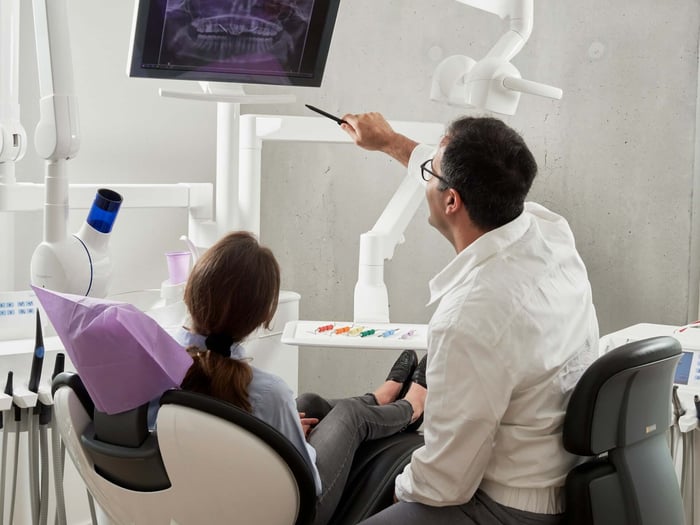
Porcelain veneers are thin shells made to cover the front of your tooth. Your dentist takes digital impressions and sends them to a lab, where technicians craft each veneer to match the shade and shape you want.
The dentist removes a small amount of enamel so the veneer sits flush with the rest of your teeth. Research on porcelain veneer material shows modern porcelain can be thinner than 0.5 mm, so the prep stays minimal while still looking natural.
When your custom veneers come back from the lab, your dentist bonds them on with dental adhesive. You get a smile transformation that can fix color, shape, size, and even alignment in one go.
Which Concerns Each Treatment Can Improve
Both options tackle common cosmetic complaints, but their range isn’t quite the same.
Chips and small cracks: Composite bonding is a quick fix here.
Gaps between front teeth: Both can close small gaps. Veneers give a more uniform look if you’ve got several gaps.
Stubborn stains or discoloration: Bonding covers up small spots. Porcelain veneers hide deeper or more widespread discoloration.
Uneven tooth length or shape: Veneers reshape teeth across a bigger area.
Mild crookedness: Veneers can make teeth look straighter without braces.
Once you know what these treatments can fix, the next question is: how do they hold up when you get back to real life?
Porcelain Veneers vs Dental Bonding in Daily Life
The way veneers and bonding hold up over months and years matters as much as how they look on day one. Coffee, snacks, and even how you bite an apple all have an impact.
Appearance and Smile Goals
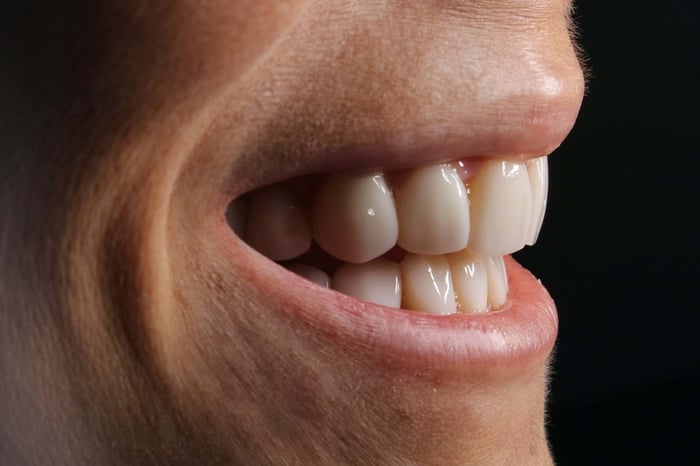
Porcelain veneers reflect light almost like natural enamel. That gives them an edge if you want a full smile makeover across several front teeth. Since each shell gets glazed in the lab, they’re less likely to stain from food and drinks.
Composite bonding can look great on a single tooth, especially if your dentist nails the color match. But on multiple teeth, resin doesn’t mimic enamel’s light reflection as well as porcelain. Over time, you might notice the shade isn’t a perfect match anymore.
If you want a natural-looking smile across your upper front teeth, veneers usually give a more consistent result. For just one or two teeth, bonding can blend in really well.
Durability and Stain Resistance
Factor | Dental Bonding | Porcelain Veneers |
|---|---|---|
Average lifespan | 4 to 8 years | 10 to 15+ years |
Stain resistance | Moderate. Can discolor over time | High. Glazed porcelain resists staining |
Chip risk | Higher on biting edges | Lower. Porcelain is harder |
Repairability | Easy to patch or redo | Needs full replacement if damaged |
Bonded front teeth can chip if you bite into hard foods like ice or raw carrots. Porcelain stands up better to daily wear, but it’s not totally unbreakable. Both last longer if you brush, floss, and keep up with dental checkups.
Minor Repairs Versus Bigger Cosmetic Changes
Choosing between bonding and veneers often comes down to how much you want to change. If you need a small fix on one tooth, bonding does the job and saves you time. If you want to update four, six, or eight teeth for a uniform color and shape, veneers give a more cohesive look.
Some people start with bonding on one tooth, then switch to veneers later for a bigger change. You don’t have to pick just one forever; they can actually work together as your needs evolve.
So, what’s the actual process like, and how much of your natural tooth gets involved?
Time, Tooth Preparation, and Treatment Steps
Bonding can be finished before your lunch break. Veneers take a couple of visits and involve some lab work in between. Here’s the real timeline for both.
Single-Visit Bonding Timeline
Your dentist picks a composite shade that matches your teeth, then gently roughens the tooth with a mild etching solution. This helps the resin grip the enamel. They apply the resin in thin layers, shape it, and cure each layer with a special light.
Once the shape looks right, your dentist polishes the bonding so it blends in with your other teeth. You might feel a little pressure during shaping, but it’s rarely uncomfortable. Most bonding appointments for a single tooth wrap up in under an hour. No recovery time, and you can eat or drink right away.
The Veneer Process from Scans to Placement
Veneers take a few steps. At your first appointment, your dentist takes digital imaging and impressions. These go to a dental lab, where technicians craft each porcelain shell to fit perfectly.
In the meantime, you might wear temporary veneers to protect your prepared teeth. Temporaries are thinner and more fragile than the final set, so you’ll want to avoid sticky or hard foods for a week or two.
At the second visit, your dentist removes the temporaries, checks the fit and color of your custom veneers, and bonds them on for good. The whole placement usually takes one to two hours, depending on how many teeth you’re treating.
Enamel Removal, Temporary Veneers, and Reversibility
Here’s a big difference: the veneer process needs a thin layer of enamel removed so the porcelain sits naturally and doesn’t feel bulky. Research on porcelain laminate veneers shows that about 0.5 mm of reduction usually strikes the right balance between looks and tooth conservation.
Since enamel doesn’t grow back, veneers are a permanent commitment. Your teeth will always need some sort of covering after prep. Bonding, though, usually skips enamel reshaping, so it’s basically reversible if you want to try something else later.
This difference in commitment level ties right into the cost, which is usually the next thing people want to know.
Cost Factors and Long-Term Value
Dental bonding and veneers come with very different price tags, but the upfront cost isn’t the whole story. How often you’ll need to replace or repair each one really affects what you spend over time.
Typical Bonding Cost per Tooth
Bonding usually costs between $300 and $600 per tooth. The price depends on the size of the area, how tricky the shape is, and your specific dental situation.
Dental insurance usually won’t cover bonding unless it’s fixing a broken tooth or serving a functional purpose. Many practices offer financing options so you can spread out payments.
Typical Veneers Cost per Tooth
Porcelain veneers generally run from $1,000 to $2,500 per tooth. That covers the lab work, materials, and the precision it takes to fit each shell just right.
If you’re treating several teeth at once, some offices might lower the cost per tooth. Your dentist can give you exact numbers after looking at your digital scans and talking through your goals.
When Lower Upfront Cost Versus Longer Lifespan Matters More
If you just need to fix a chip on one tooth and want to keep costs down, bonding gets you there for a lot less than veneers. You might need to replace or touch it up every five to eight years, but each round is affordable.
If you’re investing in six or more teeth and want results that last a decade or more, veneers often end up costing less per year. For example, a $1,500 veneer that lasts 15 years comes out to $100 per year, while a $400 bonding that lasts five years is $80 per year but with more frequent visits.
It really comes down to whether you’re comfortable with a bigger upfront investment or prefer smaller, occasional costs. The next step is matching that to your smile goals.
Choosing Based on Your Smile and Goals
The right choice depends on what your teeth actually need, not which treatment sounds better on a website. A personalized cosmetic exam is really the best way to figure it out.
When Bonding Often Makes Sense
Bonding works well when you have a single chipped tooth, a small gap, or one tooth that's just a bit shorter than the others. It's also a great first step if you're not quite ready to commit to something more permanent.
Younger patients, especially those who are still figuring out their ideal smile, often choose bonding first. It keeps their options open, since barely any enamel gets removed. Later, you can switch to veneers or try teeth whitening without any trouble.
People who grind their teeth a lot sometimes start with bonding too. It offers a temporary cosmetic fix while they sort out the grinding with other treatments.
When Veneers May Be the Better Fit
If you want to transform four to eight front teeth for a totally new look, porcelain veneers can deliver a uniform color, shape, and symmetry that composite resin can't quite match. Veneers also help when your teeth have deep stains that whitening just can't touch.
Some folks with mildly crooked or uneven teeth don't want braces or aligners. Veneers can give the look of a straighter smile in just a couple of visits. That speed and cosmetic boost really appeals to busy professionals.
If you are considering more comprehensive restorative dental care, you can often combine veneers with other procedures in the same plan.
Why a Personalized Cosmetic Exam Matters
Photos and articles only go so far. During a cosmetic exam, your dentist looks at your enamel thickness, gum health, bite alignment, and your own cosmetic goals. All that info helps decide whether dental bonding, porcelain veneers, or maybe a mix of both makes the most sense for you.
This is where an experienced eye matters. Dr. Hamid can spot things like early gum recession or worn enamel that quietly affect which option will actually last, which a photo or an online quiz never will. Sometimes a thorough periodontal evaluation is part of that first visit.
Your Next Step Toward a Confident Smile
Getting answers to your main questions before your appointment can make the whole thing less stressful. Jotting down a quick list helps keep the conversation focused and productive.
Questions to Bring to a Cosmetic Consultation
Bring in the questions that matter to you. For example: "Based on my teeth, which option do you recommend and why?" or "How many teeth will need treatment to reach my goal?" You could also ask about how long each option lasts, especially if you drink coffee or clench your teeth.
Writing your questions down ahead of time keeps you organized, especially if you get a bit anxious at the dentist. The team explains things clearly at every step, so you shouldn't feel rushed or confused.
Planning a Comfortable Visit with Clear Cost Guidance
Before any treatment starts, you'll get a detailed cost breakdown covering materials, lab fees if needed, and your payment options. If you have PPO dental insurance, the office will check what part of the cost your plan covers.
For those who want help relaxing during treatment or just some extra comfort during cosmetic work, you can talk about those options at the same visit. Your comfort always comes first, and the team adjusts their approach to fit your needs.
How to Schedule Your Cosmetic Consultation
Ready to find out whether bonding, veneers, or a mix fits your smile best? Call El Segundo Modern Dentistry & Orthodontics at (424) 277-2671 and book a relaxed, no-pressure cosmetic consultation with Dr. Hamid.
If you are not sure where to begin, ask for a same-day visit and let the team walk you through your options at your own pace. You can also book your appointment online and bring the questions that matter most to you.
Frequently Asked Questions
What's the Typical Cost Difference Between Veneers and Bonding, and What Factors Affect the Total Price?
Bonding usually runs $300 to $600 per tooth. Porcelain veneers range from $1,000 to $2,500 per tooth. The total price depends on how many teeth you want to treat, how complex your case is, and if a lab needs to make anything custom for you.
Which Option Tends to Look More Natural for a Healthy, Confident Smile, Veneers or Bonding?
Both look natural when a skilled cosmetic dentist places them. Porcelain veneers reflect light a lot like real enamel, so they have an edge if you're treating several front teeth. Bonding can blend in nicely on a single tooth if the shade matches well.
How Long Do Veneers and Bonding Usually Last with Gentle, Patient-Focused Care and Good Home Habits?
Composite bonding usually lasts four to eight years before you need to repair or replace it. Porcelain veneers often hold up for 10 to 15 years or even longer if you brush, floss, and see your dentist regularly.
What Does the Treatment Process Feel Like for Each Option, and How Do Modern Tools and Advanced Techniques Support Comfort?
Bonding uses gentle etching and layering of composite filling material, and most people don't feel much discomfort. Veneers need a little enamel removed, and you might get local anesthesia, but digital impressions and precise lab work keep things quick and comfortable.