You press your tongue against a tooth, and suddenly it moves. Maybe it’s just a tiny shift, enough to make you stop chewing for a second and wonder if you’re imagining things. But a loose tooth in adults causes real worry, since your permanent teeth aren’t supposed to budge.
Unlike a kid’s wiggly baby tooth, any movement in an adult tooth usually means something’s going on beneath the surface that needs your attention.
Here’s the upside: a loose adult tooth doesn’t always spell disaster. What happens next depends on what is causing the movement and how quickly you get it checked. Caught early, many loose teeth can be stabilized before the damage becomes permanent, which is a real relief when your first fear is losing the tooth.
Keep reading to learn the most common causes of loose teeth in adults, how to tell whether you need urgent care or just a regular checkup, and what treatment can look like if you act soon. The goal is to leave you informed and confident, not panicked.
What a Loose Adult Tooth Usually Means
If you notice a permanent tooth feels loose, it means something is weakening the structures that hold it in place. Infection, injury, or gradual bone changes can all be behind it.
How Teeth Stay Stable in the Jaw
Your teeth sit in sockets in the alveolar bone, the part of your jawbone that supports them. A thin, tough tissue called the periodontal ligament connects each root to the bone. Think of it like a hammock of fibers that absorbs pressure from chewing and keeps the tooth anchored.
Healthy gums wrap snugly around the base of each tooth, sealing out bacteria and protecting the ligament and bone. When bone, ligament, and gum tissue are all healthy, your teeth can handle years of chewing and biting without shifting.
Why Adult Teeth Should Not Feel Wobbly
Baby teeth loosen because their roots dissolve to make way for permanent teeth. Adults don’t have replacement teeth growing underneath. So, if you feel any movement, it means the periodontal ligament, the alveolar bone, or both, aren’t as strong as they should be.
Even a small wiggle means your oral health needs a dentist’s attention. The ligament doesn’t heal itself once it’s badly damaged. If you wait to see if the tooth “tightens up,” you’ll probably let the problem get worse.
When Mild Movement Still Needs Prompt Care
Sometimes, a tooth only feels loose when you press on it a certain way. It might not hurt at all. But don’t let the lack of pain fool you, since bone loss and early gum disease often sneak up quietly.
If a tooth shifts even a little under gentle pressure, it’s already lost some support. The sooner you get it checked, the more ways your dentist can help. Catching mild movement early is so much easier than dealing with a tooth that’s been loose for weeks.
So, what actually causes these support structures to break down? Most of the time, it starts with gum issues.
Gum Problems That Commonly Lead to Tooth Movement
Periodontal disease is the number one reason adult teeth get loose. It starts off quietly as plaque and, if ignored, works its way down to the bone that holds your teeth.
Plaque and Tartar Buildup Around the Gumline
Plaque is a sticky film of bacteria that forms on your teeth every day. Brushing and flossing get rid of most of it, but any plaque left behind hardens into tartar in just a day or two. Only a dentist or hygienist can remove tartar with special tools.
Tartar builds up along and under the gumline, creating a rough surface where bacteria love to hide. This bacteria triggers inflammation in the gums. The longer tartar stays, the deeper bacteria can travel under the gums. You can read more about how gum disease starts and why it progresses.
Poor oral hygiene makes this cycle worse, but even people who brush twice a day can get tartar in tricky spots. That’s why regular dental visits and cleanings matter so much. If you’re curious about the difference between routine and deep cleanings, it’s worth knowing what your gums might need.
Gingivitis and Early Signs to Watch For
Gingivitis is the earliest stage of gum disease. The gums get inflamed, but the bone and ligament are still okay. You might notice:
Bleeding gums when you brush or floss
Swollen gums that look puffy or darker than usual
Persistent bad breath that sticks around after brushing
Tender or sensitive gum tissue near certain teeth
The good thing about gingivitis: you can reverse it. If you brush and floss regularly and get a professional cleaning to remove tartar, your gums can bounce back before any tooth movement starts.
A lot of adults have some gingivitis without realizing it. If you spot any of these signs, a dental checkup can show if the inflammation is just at the surface or if it’s starting to cause deeper trouble.
Periodontitis, Bone Loss, and Gum Recession
If gingivitis isn’t treated, it can turn into periodontitis. Bacteria move deeper under the gums and start destroying the periodontal ligament and the bone. Gaps form between teeth and gums, trapping more bacteria and speeding up the damage.
As bone disappears, the tooth’s foundation weakens. Gums often recede, exposing parts of the root that used to be covered. Guidance on the signs of periodontitis points to loose or separating teeth, pus between the gums and teeth, and a change in how your bite feels.
Periodontitis causes more adult tooth loss than anything else, but if you catch it early, you can slow it down or even stop it. Time matters a lot here. Professional periodontal care treats the infection and helps keep the bone you have.
Gum disease leads the pack, but it isn’t the only reason a tooth might feel loose. Other issues can cause it, even if your gums seem fine.
Other Causes of a Loose Tooth in Adults
You won’t always be able to blame gum disease for a loose tooth. Trauma, habits, hormone changes, and decay can all make teeth unstable in their own ways.
Injury, Tooth Fracture, and Sudden Looseness
A hit to the face, a sports accident, or biting something hard can loosen a tooth in seconds. The impact might stretch or tear the ligament, crack the root, or fracture the visible part of the tooth.
You can’t always see a tooth fracture. You might feel pain when you chew or notice the tooth shifts when you press on it, but the crack could be hidden and only show up on an X-ray. If your tooth suddenly feels loose after an accident, call your dentist fast, since that gives you the best shot at saving it.
Bruxism, Clenching, and Jaw Strain
Grinding your teeth, called bruxism, puts a lot of pressure on your teeth, ligaments, and jawbone. A lot of people grind at night and don’t even know it. If you wake up with jaw pain, headaches, or sore teeth, you might not realize it’s connected to loose teeth.
Over time, all that clenching and grinding can loosen teeth just like rocking a fence post back and forth. A night guard can help, but first you need to spot the habit. Dentists can see the wear patterns on your enamel and tell you if bruxism is part of the problem.
Bone Changes, Hormones, and General Health Factors
Some health conditions that change bone density can also affect the jawbone around your teeth. Osteoporosis lowers bone mass and may weaken the support for tooth roots, especially for women after menopause.
During pregnancy, hormone changes can cause pregnancy gingivitis. More blood flow and shifting hormones make gums more sensitive to plaque. They might swell, bleed, and teeth can feel loose temporarily. Usually, things go back to normal after delivery, but it’s smart to have a dentist monitor your gums during pregnancy.
Chronic health problems like diabetes also raise the risk for gum disease and tooth loss. Taking care of your overall health really helps your teeth and gums hold up over the years.
Tooth Decay and Root-Related Damage
Deep tooth decay can weaken the tooth from the inside out. If decay reaches the root or surrounding tissue, the tooth might start to feel loose.
There’s also root resorption, which is rare but serious. The body breaks down the root of a tooth, sometimes after braces, trauma, or chronic infection. Composite fillings tackle cavities before things get that far, which is another reason those routine checkups matter.
With all these possible causes, the real question is: how urgent is it to act?
How to Tell if You Should Call Right Away or Schedule Soon
Some loose teeth need attention the same day. Others can wait a few days. Knowing which is which helps you take the right step without stressing out or ignoring something important.
Signs That Need Same-Day Attention
Call your dentist right away or go to emergency care if you notice any of these along with a loose tooth:
Severe pain or throbbing that won’t go away with over-the-counter meds
A tooth knocked partly out of place by an accident
Bleeding from the gums that doesn’t stop with gentle pressure
Swelling in your face, jaw, or gums that’s spreading
Pus or a bad taste coming from around the loose tooth
Trouble opening or closing your mouth
These symptoms might mean a dental emergency. Acting quickly, within the first hour or two after an injury, gives you the best shot at saving the tooth. A practice that keeps room for emergencies and same-day visits can usually fit you in fast.
Symptoms That Should Be Checked Within a Few Days
If your tooth feels a little loose but there’s no pain, bleeding, or swelling, you still need to get it checked, just not urgently. Book a visit within a few days if you notice:
A tooth that shifts slightly when you eat
Gums that bleed only when brushing or flossing
Mild sensitivity in one spot
A slow change in how your bite feels
These signs often point to early gum disease or mild bruxism. They won’t get better on their own, so don’t put it off.
What Not to Do at Home
Try not to mess with the loose tooth, even though it’s tempting. Wiggling it with your tongue or fingers just stretches the ligament and makes things worse. Don’t try to yank out a loose tooth yourself. Adult teeth have deep roots, and the surrounding bone and tissue need a dentist’s tools and skills to handle safely.
Skip hard, crunchy, or sticky foods on that side for now. Stick with softer stuff until your dentist checks things out. And those internet tricks that claim to tighten a loose tooth at home? Don’t bother. If a tooth has any chance of being saved, it needs real dental care, not home experiments.
How Dentists Evaluate and Treat the Problem
Your dentist checks a loose tooth using hands-on tests, X-rays, and measurements to figure out what’s going on and if there’s a way to save it.
What the Exam and Imaging Look For
Your dentist will start by gently pressing on the tooth from different angles. This shows how much it moves and in which directions, which helps them decide how serious things are.
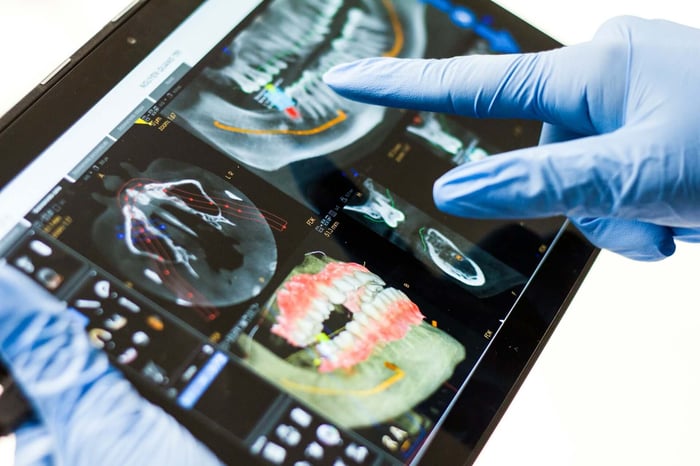
Then, digital X-rays show what’s happening under your gums. The dentist looks at the bone around the tooth, checks for fractures in the root, and looks for any signs of infection or decay.
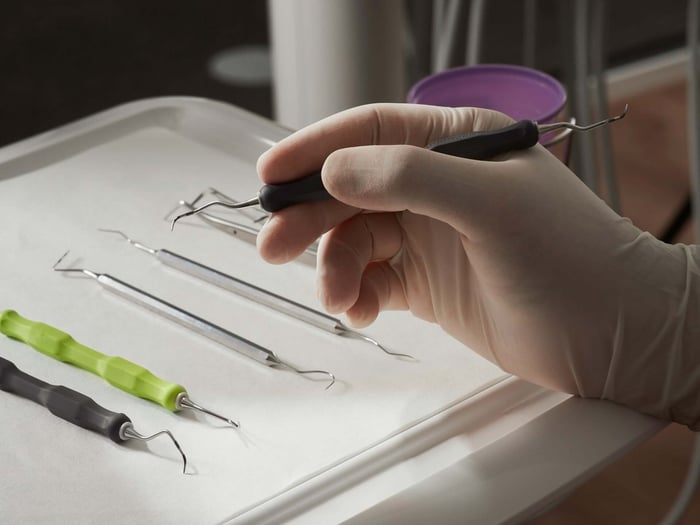
They’ll also use a periodontal probe, sliding it between the tooth and gum to see how deep the pocket is. Healthy pockets usually measure one to three millimeters. Deeper pockets mean bone loss.
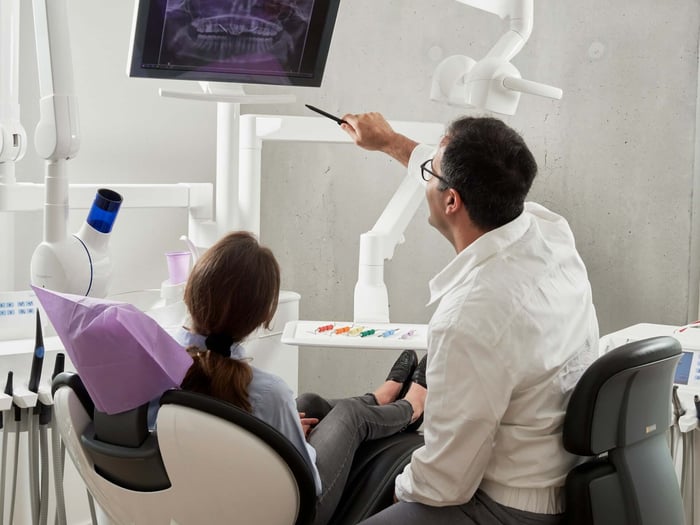
The whole exam is quick and doesn’t hurt. You’ll probably see your X-rays on a screen and get a straightforward explanation of what’s going on.
Deep Cleaning and Infection Control
If gum disease is the culprit, your dentist will usually start with scaling and root planing. First, they remove tartar and bacteria from below the gumline (scaling). Then, they smooth the root surfaces so the gums can reattach better (root planing).
Your mouth will be numb during the procedure, so you’ll stay comfortable. You might feel some pressure but not pain. A scaling and root planing visit usually wraps up in one or two appointments, depending on how much work is needed.
If you’re anxious, sedation options can help you relax. Afterwards, your gums start healing and tighten around your teeth. Your dentist will have you come back to check on pocket depth and see if the tooth is stabilizing.
When Surgical Gum Care May Be Recommended
If deep cleaning doesn’t do enough, your dentist might suggest periodontal surgery. With flap surgery, the dentist lifts your gum tissue so they can clean deeper, then puts the tissue back snugly around the teeth.
For major bone loss, guided tissue regeneration or bone grafting can help your body rebuild some support. Gum grafts cover exposed roots, protecting the tooth and making it less sensitive.
Treatment | What It Addresses | Typical Recovery |
|---|---|---|
Scaling and root planing | Tartar and bacteria below the gumline | 1 to 2 weeks of mild gum tenderness |
Flap surgery | Deep pockets that do not respond to cleaning | 2 to 4 weeks; soft diet recommended |
Bone grafting | Bone loss around tooth roots | Several months for full bone integration |
Gum grafting | Gum recession exposing the root | 1 to 2 weeks; avoid brushing graft site |
When a Tooth Cannot Be Saved
Sometimes, the damage is just too much. If there’s severe bone loss, a root that’s fractured beyond repair, or an infection that won’t go away, removing the tooth might be the best way to keep the rest of your mouth healthy.
Your dentist will explain exactly why you need an extraction and what happens next. It’s tough to hear that a tooth can’t be saved, but it’s also a chance to look at ways to replace a missing tooth that fill the gap and protect your bite.
So, what’s next for your smile after an extraction?
Saving Your Smile Starts with Prompt Evaluation
The sooner you get help for a loose tooth, the better your odds of keeping it. Waiting too long can really limit your options.
What a Timely Visit Can Help Preserve
If gum disease gets caught before too much bone is gone, scaling and root planing might be all you need. The tooth gets firmer as the gums heal and reattach. If grinding your teeth (bruxism) is the problem, a custom night guard and regular check-ins can keep things from getting worse.
Getting in early also helps save your jawbone. Once a tooth is gone, the bone underneath starts to shrink since it’s not being used. Even keeping a compromised tooth for a little while longer can buy you time for planning and help keep the bone in place.
Preventive care really does protect your long-term oral health. Regular checkups, brushing and flossing, and dealing with little issues before they grow are the best ways to avoid tooth loss. National data on adult tooth loss shows cavities and gum disease are the main reasons adults lose teeth, and both can usually be prevented.
Replacement Options if a Tooth Is Lost
If you do lose a tooth, there are several ways to get your bite, your smile, and your confidence back. The best option depends on where the tooth was, your jawbone health, and your budget.
Dental implants are titanium posts that go into the jawbone, acting like a natural tooth root with a crown on top. Implants last a long time and help keep your bone healthy, but you need enough bone to support them. That’s another reason to act quickly.
A fixed dental bridge uses the teeth next to the gap as anchors for a replacement tooth. Bridges don’t require surgery and can be ready in just a few visits.
Dentures are removable and work well for people missing several teeth. Modern dentures look more natural and fit better than they used to. Your dentist can help you figure out what works best for you, whether you care most about function, looks, or cost. Insurance and financing can make these treatments easier to afford.
Frequently Asked Questions
Why would an adult tooth suddenly feel wobbly even if it doesn't hurt?
Early and middle stages of bone loss from gum disease usually don’t hurt. You can lose a lot of support around a tooth without feeling any pain. If a tooth suddenly feels wobbly, it probably means the bone underneath has gotten thin enough that the tooth can’t stay firm, even if the nerve isn’t hurting.
Can a loose adult tooth tighten back up on its own with gentle, patient-focused care?
It really depends on what’s causing it and how loose the tooth is. Teeth that get loose from pregnancy gingivitis or mild gum disease sometimes firm up after the gums heal. But if you’ve lost a lot of bone or the root is cracked, the tooth probably won’t tighten up on its own and needs a dentist’s help.
What are the common stages of an adult tooth becoming loose, and what should I watch for?
Usually, it starts with gum inflammation: redness, bleeding, and swelling. As things get worse, pockets form between the teeth and gums and bone starts to shrink away. The tooth might feel just a little mobile at first, then get looser over weeks or months. Watch for bleeding when you brush, bad breath that won’t go away, or your bite suddenly feeling off.
If a loose tooth is still attached, what should I do to protect it until my visit?
Don’t touch, wiggle, or press on the tooth. Eat soft foods and chew on the other side. Keep brushing and flossing gently around the tooth, but don’t force the floss if it makes the tooth move. Call your dentist right away for the soonest appointment you can get.
Acting Early Gives a Loose Tooth Its Best Chance
A loose tooth in adults is stressful, and it’s understandable to feel worried. What matters most is that you now know why it happens, and that acting early opens up the widest range of options, from a simple cleaning to more advanced care.
You don’t have to sort this out alone. Call Dr. Hamid at El Segundo Modern Dentistry & Orthodontics at (424) 277-2671 for a no-pressure look at what is going on and what your choices are. If it feels urgent, ask for a same-day visit, or schedule a visit online when the moment is right for you.