There’s a gap on your X-ray, and the word "bridge" keeps coming up. Now you’re home, probably scrolling through search results, trying to understand how a dental bridge works before you agree to anything. Smart move.
A fixed dental restoration like a bridge fills the space left by missing teeth, and knowing the basics puts you in control at your next appointment.
Dr. Hamid Barkhordar draws on his training from USC and Harvard to weigh whether a bridge, an implant, or something else fits your mouth best. That call starts with digital X-rays and modern imaging to map the gap, check the bone underneath, and plan the work before anything begins.
Keep reading to learn what a dental bridge actually does in your mouth, the types of bridges out there, what the process feels like, and how bridges stack up against implants on cost, lifespan, and daily care.
It is all in plain language, so you can walk into your next appointment knowing what to expect and feeling ready to decide.
How a Dental Bridge Works Inside Your Smile
A dental bridge literally bridges the empty space where a tooth used to be. It’s a fixed solution cemented in place, so you don’t have to pop it in and out like a partial denture.
The Role of Pontics and Support Teeth
The tooth that fills the gap is called a pontic. Dentists shape and shade it to look like a real tooth.
The bridge connects to your real teeth on either side, which are called abutment teeth. Dentists trim down those abutment teeth and fit them with crowns that become part of the bridge. If you’re replacing two teeth, you might have two pontics connected to abutment teeth on each side.
Picture a little footbridge in a park: the pontic is the walkway, and the abutment teeth are the posts on solid ground. Without strong posts, the walkway just can’t hold up.
How Bite Pressure Gets Shared
When you chew, the force goes through the pontic and into the crowns on your abutment teeth. Those teeth then send the load down into your jawbone, just like before the gap existed. That’s why abutment teeth need to be healthy and well-rooted.
If one is weak or decayed, the bridge might not spread the pressure evenly, and that could cause trouble later.
Bridges also keep neighboring teeth from drifting into the empty space. Teeth naturally move toward open spaces over time. Filling the gap early helps protect your bite alignment.
When a Bridge Makes Sense Instead of a Removable Option
A bridge often makes sense if you want something that feels more like your own teeth. You don’t take it out at night or for cleaning. A removable partial denture clasps onto nearby teeth and can be taken out, which some people find annoying. A bridge just stays put.
If the teeth on either side of the gap already need crowns, a bridge can solve both problems at once. But if those teeth are perfectly healthy, or you’re missing more than three teeth in a row, things get a bit more complicated.
Who Might Be a Good Candidate?
A bridge usually works best when the gap isn’t too wide, the teeth next to it are strong enough to anchor the restoration, and your gums are healthy enough to support everything.
How Missing Teeth Affect Chewing, Speech, and Tooth Movement
Losing even one tooth changes how you eat. You might start chewing on the other side, putting extra stress there.
Certain sounds, like "th" and "s," can shift if you’re missing a front tooth. Over time, missing teeth and bone loss go together, because the jawbone stops getting the stimulation it needs once a tooth is gone.
Neighboring teeth start tilting toward the gap pretty quickly. The tooth above or below can even drift into the empty space. These shifts can mess up your bite, and the longer you wait, the harder it is to fix.
Why the Health of Nearby Teeth and Gums Matters
Your dentist checks the abutment teeth carefully before recommending a bridge. They need enough healthy structure to hold a crown. If a tooth already has a big composite filling or a fracture, you might need more treatment first.
Gum health is just as important. Gum disease weakens the bone that supports your abutment teeth. If your dentist spots signs of periodontitis, you might need a deep dental cleaning or periodontal treatment before getting a bridge. Healthy gums make everything more stable.
When a Bridge Fits for One to Three Missing Teeth
Bridges typically replace one to three teeth in a row. For a single missing tooth, a traditional three-unit bridge uses one pontic and two abutment crowns. For two or three missing teeth, dentists add more pontics and sometimes extra support to handle the longer span.
If you’re missing teeth in several places, or if the gap is wider than three teeth, your dentist might suggest a different restorative dental treatment like implants or a partial denture. The size of the gap and the strength of the supporting teeth guide the recommendation. So, what kind of bridge might you need?
Main Bridge Designs and When Dentists Use Each One
There are four main types of dental bridges. Each one is designed for a different situation. Your dentist will recommend the design that matches where the gap is, how many teeth are missing, and what support is available.
Traditional Bridge
The traditional bridge is the most common. It uses a pontic held in place by crowns cemented onto abutment teeth on both sides. This design works well if you have strong, natural teeth next to the gap. Dentists reshape those teeth so the crowns fit securely.
Traditional bridges handle bite forces well because two anchors share the load. Dentists often use them for back teeth, where chewing pressure is highest.
Maryland Bridge
A Maryland bridge, or resin-bonded bridge, is more conservative. Instead of full crowns, it uses thin metal or ceramic wings bonded to the backs of the neighboring teeth. Dentists don’t have to reshape the abutment teeth much, so more natural tooth is preserved.
This design usually works for a single missing front tooth, where bite forces are lighter. It might not hold up under the heavy chewing that back teeth handle.
Cantilever Bridge
A cantilever bridge anchors the pontic to an abutment tooth on only one side. Dentists use it when there’s a healthy tooth on just one side of the gap, like at the back of the mouth where there’s no second anchor.
Since all the force lands on a single tooth, cantilever bridges are less common now. Dentists usually look for other solutions if the area gets a lot of chewing stress.
Implant-Supported Bridge
An implant-supported bridge uses dental implants instead of natural abutment teeth. Dentists place implants in the jawbone. This option works if the teeth next to the gap are healthy and you don’t want to trim them, or if the gap is too wide for a traditional bridge.
The implant process takes longer because the jawbone needs time to heal around each titanium post. Research on single tooth implants shows they also help preserve jawbone, which a traditional bridge cannot do on its own.
Bridge Type | Abutment Style | Best Used For | Tooth Removal Needed? |
|---|---|---|---|
Traditional | Full crowns on both sides | 1 to 3 missing teeth with healthy neighbors | Abutment teeth are reshaped |
Maryland | Bonded wings on backs of teeth | Single missing front tooth | Minimal reshaping |
Cantilever | Crown on one side only | Gap at end of an arch | Abutment tooth is reshaped |
Implant-Supported | Titanium implant posts | Healthy neighbors or wider gaps | No natural teeth altered |
So, what does the actual appointment feel like from start to finish?
What to Expect During Placement
Getting a dental bridge usually takes two or three appointments over a few weeks. Knowing what happens at each visit helps take the mystery out of the process.
Exam, Imaging, and Treatment Planning
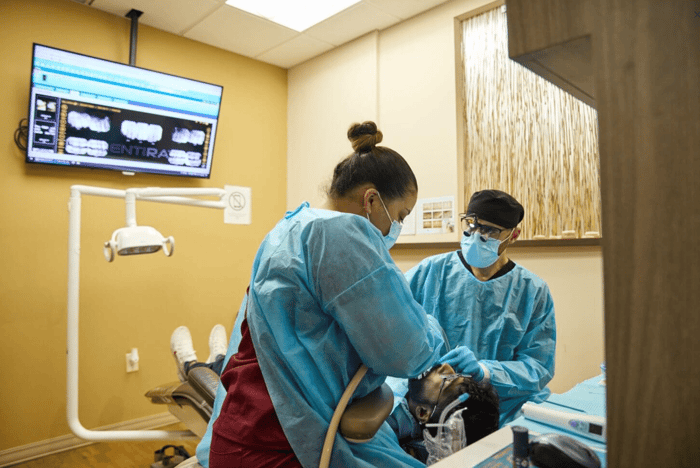
At your first visit, your dentist looks closely at the teeth and gums around the gap, takes digital X-rays, and might snap some intraoral photos. These images show bone density, root length, and reveal any hidden decay that needs attention before moving forward.
Based on what they find, your dentist decides which bridge design fits your case. You’ll see the images on a screen and get an explanation about why a certain approach makes sense. This is your chance to ask questions and talk about what matters most to you, whether that’s cost, appearance, or how long it’ll last.
Preparation of Abutment Teeth
At the next appointment, your dentist numbs the area with local anesthesia. Then, they carefully reshape the abutment teeth by removing a thin layer of enamel. This makes space for the crowns that will cover them. The amount they remove depends on the bridge material and your bite.
You’ll probably feel some pressure, but the numbness keeps pain away. If you get anxious in the chair, sedation dentistry can help you stay relaxed.
Scans, Impressions, and Temporary Protection
After your teeth are prepared, your dentist takes a digital scan or impression of the area. They send this record to a dental lab, where technicians craft the bridge to match your natural teeth in shape, size, and color.
Materials like porcelain fused to metal or all-ceramic are chosen based on where the bridge goes. Before you leave, your dentist places a temporary bridge or temporary crowns over the prepared teeth.
This protects them and lets you eat and speak while the permanent bridge is being made. The temporary might feel a bit different, and your dentist will probably tell you to avoid sticky foods for now. Most people wait one to three weeks for the lab to finish the final restoration.
Final Bridge Placement and Bite Adjustments
At your final visit, your dentist will remove the temporary bridge and try in the permanent one. They’ll check the fit, color, and how your teeth come together when you bite. Usually, they’ll make a few small tweaks here to get everything just right.
Once you and your dentist are happy with the fit, they’ll cement the bridge permanently. You might notice some brief sensitivity to hot or cold for a day or two, but that’s pretty common. Your bite should start to feel normal within a few days as your jaw muscles get used to the new bridge. Now, naturally, you might be wondering how a bridge really compares to an implant over time.
Bridge vs. Implant: Cost, Lifespan, and Daily Care
Both a bridge and a single-tooth implant replace a missing tooth, but the differences in price, how long they last, what it takes to care for them, and insurance coverage can be pretty significant.
How a Bridge Compares with a Single-Tooth Implant
Upfront, a traditional three-unit bridge usually costs less than getting a single dental implant with a crown. Bridges also get finished faster, often in just two or three visits. Implants, on the other hand, can take months because your mouth needs time to heal between steps.
But here’s the thing: implants leave healthy neighboring teeth alone. They also keep your jawbone stimulated, which helps prevent bone loss in the gap. Bridges don’t do that, since the false tooth just sits above your gums and doesn’t touch the bone underneath.
If you do lean toward an implant, Dr. Hamid’s advice is practical: pick a provider who places implants regularly and keeps the imaging technology in-house, so you are not sent from office to office for scans, losing time and paying more along the way.
Factor | Traditional Bridge | Single-Tooth Implant |
|---|---|---|
Typical Cost Range | $2,000 to $5,000 | $3,000 to $6,000 |
Number of Visits | 2 to 3 | 3 to 5 over several months |
Alters Neighboring Teeth | Yes | No |
Preserves Jawbone | No | Yes |
Average Lifespan | 7 to 15 years | 15 to 25+ years |
What a PPO Plan May Help Cover
Most PPO dental plans call a bridge a major restorative procedure. After your deductible, coverage is usually somewhere between 40% and 60%. Implants are a bit trickier, since some plans help and others don’t. Checking your benefits before you start saves you from any last-minute surprises.
If you’re worried about cost, insurance and financing options can make things easier. Payment plans can break up the bill, so you can focus on your care instead of the price tag.
How Long Bridges Often Last
If you take care of it, a bridge can last anywhere from seven to fifteen years, sometimes even longer. How long it sticks around depends on what it’s made of, your daily brushing and flossing, and how much chewing force it handles. If you grind or clench your teeth at night, that can wear it down faster.
Regular checkups help your dentist spot little problems before they get worse. For example, a small gap between the crown and your gum can trap bacteria if you don’t catch it early.
Cleaning Under the Bridge at Home
Since the false tooth sits right against your gums, flossing changes a bit. You’ll want to use a floss threader or an interdental brush to reach under the bridge and clean out any food that sneaks in. A water flosser can also help rinse away debris from under there.
Use a floss threader or super floss once daily under the pontic.
Brush the bridge with a soft-bristle toothbrush twice a day.
Rinse with an antimicrobial mouthwash if your dentist suggests it.
Book routine dental cleanings so your hygienist can check the edges and clean spots you might miss.
How well you care for your bridge at home makes a real difference in how long it lasts. If you’re thinking about your next move, maybe it’s time for a professional to look things over in person.
Choosing the Next Step with Confidence
The best way to figure out which tooth-replacement option really works for your mouth is to sit down with a dentist who can see everything: the gap, the bone, your gums, and the teeth around it. There’s just no substitute for an in-person exam.
Questions to Ask at a Consultation
Coming in with a few questions can really help you leave feeling more sure about your decision. You might want to ask:
Is a bridge or an implant better for my specific gap?
Which material do you recommend, and why?
How will my bite feel once the bridge is in?
What does my insurance actually cover for this?
With good care, how long should I expect the bridge or implant to last?
These questions can open up an honest conversation. A good dental team will walk you through each answer at your pace, making things as clear as possible along the way.
When to Consider a Restorative Evaluation
If you’ve been missing a tooth for months or years, your neighboring teeth might have started shifting already. The sooner you get the gap checked, the more choices you’ll probably have. Waiting rarely makes things easier. It usually limits your options.
A restorative evaluation only takes one visit. You’ll get images, a clinical exam, and a treatment plan you can take home and think over. There’s no rush to decide right then. The idea is to give you what you need to feel good about your next step.
Frequently Asked Questions
Will Getting a Dental Bridge Feel Painful, or Is It Usually Comfortable?
Your dentist will use local anesthesia to keep you comfortable during the prep. You might feel some pressure, but not sharp pain. After the bridge is cemented, you could notice mild sensitivity to hot or cold for a day or two, but that usually fades quickly.
How Long Can a Dental Bridge Last, and Is It Considered Permanent?
A bridge is a long-term fix, but not forever. With regular brushing, flossing, and dental checkups, many people get seven to fifteen years out of their bridge. Some folks even get more, depending on their bite and how they care for their teeth.
What Are the Most Common Problems People Notice with Dental Bridges, and How Are They Handled?
People most often notice food getting stuck under the bridge, some sensitivity near the gum, or the cement loosening over time. Your dentist can usually fix these issues during a routine visit, often with a quick adjustment or by re-cementing the bridge.
How Do You Decide Between a Bridge and an Implant for Replacing a Missing Tooth?
Your choice depends on the health of the teeth next to the gap, jawbone density, your budget, and how fast you want to finish. If the teeth next to the gap need crowns anyway, a bridge can solve both problems. If those teeth are healthy and you want to keep them that way, an implant might be the better long-term call. A consultation will give you a side-by-side comparison tailored to you.
Your Bridge to a Healthy, Confident Smile Starts Here
A dental bridge offers a proven, comfortable way to replace missing teeth and restore your bite. When you know how the process works, what each option brings to the table, and how to care for your bridge at home, the decision gets a lot easier.
Curious which option really fits your gap? A short consultation with Dr. Hamid at El Segundo Modern Dentistry & Orthodontics can map the bone, check the neighboring teeth, and give you a plan to take home. Call (424) 277-2671 or book your appointment online whenever you are ready. There is no rush and no pressure, just the information you need to decide.