When space runs out in the back of your mouth, understanding how impacted wisdom teeth can affect neighboring teeth becomes important for protecting your long-term oral health. These hidden issues often develop slowly, even before you feel discomfort.
At El Segundo Modern Dentistry & Orthodontics, patients are often surprised to learn how early pressure and bacteria can begin affecting nearby teeth. Catching these changes early helps prevent more complex problems later.
In this guide, you will learn how impacted wisdom teeth put pressure on neighboring teeth, the types of damage that can occur, early warning signs, and how dentists decide when treatment is needed.
How Third Molars Press Against Nearby Teeth
Third molars, better known as wisdom teeth, show up last. Most people get them in their late teens or early twenties, when jaw space is already tight.
If there’s no room, a wisdom tooth can push sideways or angle itself right into the molar next door. That pressure stresses the second molar’s roots and structure over time.
Why Limited Space Leads to Damage Over Time
A crowded jaw doesn’t give wisdom teeth much room to erupt. The longer an impacted tooth stays wedged in, the more pressure it puts on its neighbor. This steady force can shift the molar, weaken it, or even cause cracks. The damage creeps up slowly, so you might not notice at first.
When A Partially Impacted Wisdom Tooth Becomes a Problem
Sometimes a wisdom tooth pokes through the gum only partway, leaving a flap of exposed tissue that’s tough to clean.
Bacteria and food love to hide in that spot. Over time, infection can start, decay hits the molar next door, and other teeth nearby might get dragged into the mess.
The Most Common Ways Nearby Teeth Get Damaged
Impacted wisdom teeth can harm their neighbors in several ways—decay, root damage, and shifting. These issues often overlap, so catching them early is key to your oral health.
Cavities Between the Wisdom Tooth and Second Molar
The gap between a wisdom tooth and the second molar is a nightmare to keep clean. Even if you brush and floss daily, bacteria can sneak in. Plaque builds up, and cavities form on both teeth.
The second molar often gets decay on the side closest to the wisdom tooth, a spot your toothbrush just can’t reach.
Tooth Decay From Trapped Food and Plaque
Food stuck around an impacted wisdom tooth feeds bacteria. Those bacteria create acid, wearing down enamel and causing decay.
The second molar is especially at risk, since it shares that cramped space. Decay can move fast here, and you might not feel anything until it’s advanced.
Root Pressure, Cracks, and Shifting Teeth
When a wisdom tooth grows at an angle, it can press right up against the roots of the molar next door. This pressure can cause root resorption, where the root starts breaking down.
Teeth can shift from this pressure, throwing off your bite. Sometimes, small cracks form in the molar, weakening it even more.
Type of Damage | What Causes It | What It Affects |
Cavities | Trapped plaque in tight spaces | Second molar enamel |
Root resorption | Angled pressure on roots | Root structure of adjacent teeth |
Tooth shifting | Continuous lateral force | Bite alignment |
Cracks | Physical pressure from an erupting tooth | Molar structure |
When Gum Trouble Starts Spreading Around the Area
Gum problems are pretty common with impacted or partially impacted wisdom teeth. The tissue around a third molar, trying to break through, can get inflamed and infected, and that trouble often spreads.
When Gum Trouble Starts Spreading Around the Area
Gum inflammation around impacted wisdom teeth can quickly affect neighboring teeth. According to the Mayo Clinic, infections such as pericoronitis occur when bacteria collect under the gum tissue surrounding a partially erupted tooth.
This creates an environment where nearby teeth and gums are also exposed to infection. If not addressed, the inflammation can extend beyond a single tooth.
According to the Centers for Disease Control and Prevention (CDC), gum disease can spread along the gumline, affecting multiple teeth and supporting structures. This makes early care essential to prevent broader oral health issues.
Pericoronitis Around Partially Erupted Teeth
Pericoronitis pops up when the gum tissue around a half-erupted wisdom tooth gets infected. A flap of gum traps bacteria under it, fueling the problem. Symptoms? Swelling, pain, and trouble opening your mouth. If you ignore it, the infection can move to nearby gums and even bone.
Bleeding Gums, Bad Breath, and Signs of Infection
Bleeding gums near a partially impacted wisdom tooth are an early warning. Persistent bad breath that won’t go away with brushing is another red flag. These signs mean bacteria are busy in that area. Swelling, warmth, or a nasty taste in your mouth could also mean infection is brewing.
Swelling at the back of your jaw
Gums that bleed when touched or brushed
Bad breath or a bad taste that lingers
Pain when chewing or opening wide
Swollen lymph nodes in your neck
How Gum Disease Can Affect More Than One Tooth
Gum disease doesn’t stay put. When an infection starts around an impacted wisdom tooth, inflammation can travel along the gumline to other teeth. The second molar is especially at risk for gum disease here. If the wisdom tooth is blocked by gum (not bone), that area stays irritated and hard to clean.
Pressure, Pain, and Other Symptoms You Should Not Ignore
Some symptoms from impacted wisdom teeth show up in ways you wouldn’t expect. Jaw pain, headaches, and bite changes can all trace back to a third molar that’s not coming in right.
Jaw Pain and Tenderness Near the Back of the Mouth
Jaw pain is one of the most common complaints with impacted wisdom teeth. You might feel it when you chew, yawn, or open wide. Pain usually focuses on the back of your jaw, where the wisdom tooth presses on tissue and bone. The ache can come and go, so it’s easy to brush off.
Headaches and Radiating Discomfort
Pressure from impacted wisdom teeth can radiate beyond your jaw. Some folks get headaches or aches near their temples, ears, or neck.
This happens because jaw nerves connect to other parts of your head and face. If you keep getting headaches and can’t figure out why, maybe your wisdom teeth are part of the story.
Changes in Bite or Orthodontic Alignment
When wisdom teeth push, they can make your upper and lower teeth meet differently. If you’ve had braces or aligners, this is definitely something to watch for. You might notice your bite feels off. Crowding or spacing changes at the back of your mouth can mean teeth are shifting.
Hidden Problems That Can Develop Below the Surface
Not all issues from impacted wisdom teeth are obvious or painful right away. Some of the worst problems develop quietly beneath the gums, so regular dental X-rays are vital for keeping your mouth healthy.
Cysts and Bone Changes Around Impacted Teeth
Cysts—fluid-filled sacs—can form around an impacted tooth. They grow slowly and might cause bone loss in your jaw before you notice anything. If ignored, a cyst can expand and press on teeth, nerves, or bone. Rarely, it can cause lasting damage to your jaw’s structure.
Why Neighboring Roots Can Be Harmed Without Early Symptoms
Root damage from an impacted wisdom tooth often doesn’t hurt at first. The roots of the second molar might be resorbing or cracking, but you won’t feel it. By the time pain shows up, the damage can be pretty far along. That’s why early checks matter, even if you’re feeling fine.
What X-Rays Can Reveal Before You Feel Pain
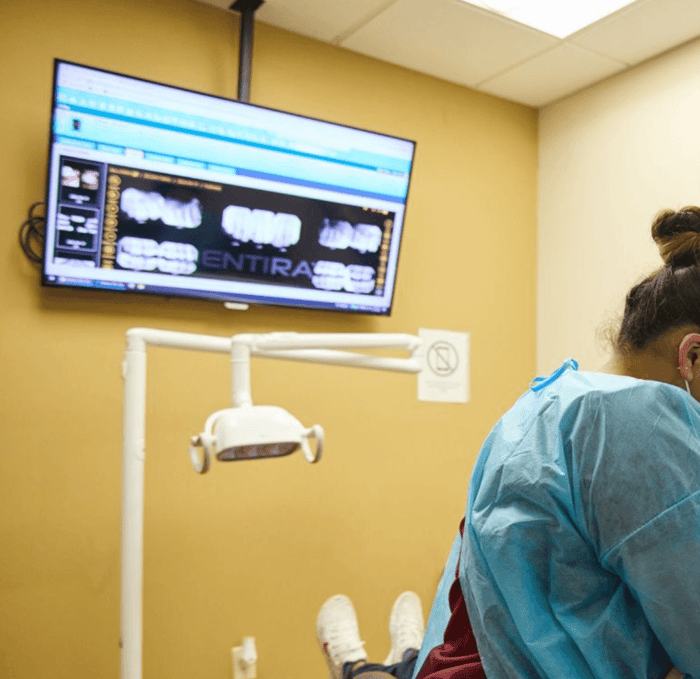
Dental X-rays show where impacted wisdom teeth sit, what’s happening with nearby roots, and if there are cysts or bone changes that you can’t see in a regular exam. Digital images give a clear look beneath the surface.
Routine X-rays often catch impacted teeth early, before you see or feel the damage. That early heads-up can really change your treatment options.
How Dentists Decide Whether Removal Makes Sense
Not every impacted wisdom tooth needs to come out right away. Dentists look at specific factors to decide the risk each tooth poses. The main goal is to protect your other teeth and keep your mouth healthy long-term, whether that means watching or acting.
Monitoring Versus Early Intervention
Some impacted wisdom teeth sit quietly for years without causing trouble. Dentists might just keep an eye on them with regular X-rays to spot changes.
If there are signs of damage, infection, or a high risk to other teeth, early intervention becomes the better choice. Waiting too long can turn small problems into big ones.
When Referral to an Oral Surgeon Is Recommended
General dentists handle some wisdom tooth cases, but others need an oral surgeon. Fully impacted teeth, weird root angles, or cysts usually mean you’ll need surgery. Your dentist checks your X-rays and exam results to figure out what’s best.
A referral to a surgeon doesn’t mean things are dire; it just means the extraction needs special skills and tools.
How Wisdom Teeth Removal Helps Protect Nearby Teeth
Removing wisdom teeth takes away the pressure, infection risk, and decay that threaten the second molar and nearby areas. Once you get rid of the impacted tooth, it can't harm its neighbors anymore.
Many people feel less jaw tenderness and discomfort after wisdom teeth extraction. Dentists often recommend removal to protect the second molar when an impacted tooth starts causing trouble.
Controlling infections matters for both your teeth and your overall health. If you act at the right moment, you can keep the teeth you want for life. Regular checkups and imaging help your dentist know when it's time to make that decision.
Protect Your Neighboring Teeth Before Problems Progress
Impacted wisdom teeth can quietly place pressure, trap bacteria, and create conditions that harm nearby teeth over time. From decay and shifting to hidden root damage, these effects often develop gradually and without early warning signs.
At El Segundo Modern Dentistry & Orthodontics, careful monitoring and timely treatment help protect surrounding teeth and prevent complications. Early evaluation allows for simpler solutions and better long-term outcomes.
If you have concerns about your wisdom teeth, schedule an evaluation as soon as possible. Taking action now can help preserve your neighboring teeth and prevent more serious dental issues.
Frequently Asked Questions
Can impacted wisdom teeth damage other teeth without pain?
Yes, impacted wisdom teeth can cause damage without immediate pain. Pressure, decay, and root changes may develop slowly over time. Regular dental visits help detect these issues early.
Which teeth are most affected by impacted wisdom teeth?
The second molars, located directly in front of the wisdom teeth, are most commonly affected. They are exposed to pressure, bacteria, and difficult-to-clean spaces. This makes them more vulnerable to decay and damage.
Do all impacted wisdom teeth need to be removed?
No, not all impacted wisdom teeth require removal. Dentists evaluate factors like position, symptoms, and risk of damage. Some teeth can be safely monitored with regular checkups.
What are the early signs that wisdom teeth are causing problems?
Early signs include gum irritation, bad breath, mild discomfort, and difficulty cleaning the area. These symptoms may seem minor, but they can indicate underlying issues. A dental exam can confirm the cause.
Can impacted wisdom teeth affect bite alignment?
Yes, pressure from impacted wisdom teeth can shift nearby teeth over time. This can affect how your upper and lower teeth come together. Changes in bite alignment may require treatment if left unaddressed.