If you are searching for dental implants near me to replace missing or failing teeth, you are likely looking for a long-term solution that feels natural and secure. Dental implants are designed to restore both function and appearance without relying on surrounding teeth.
At El Segundo Modern Dentistry & Orthodontics, patients consider implants for a stable, health-supporting option. Replacing missing or failing teeth early can help prevent shifting, bone loss, and bite changes.
In this guide, you will learn how dental implants work, when they are recommended, what your treatment options look like, and how to choose the right approach for your needs.
How Implants Help Replace Missing Teeth With More Stability
Your dentist anchors a tooth implant right into your jawbone. That anchor acts like a real tooth root, so you can bite, chew, and talk without worrying about slipping. People often pick implants because they feel so stable, unlike dentures or bridges that can move around.
Why Failing Teeth May Be Better Replaced Than Repaired
When a tooth is too damaged or infected, repairing it just isn’t practical. Cracked roots, deep decay, or repeated failed treatments mean extraction is often the better call. If you replace a failing tooth with a dental implant, you can keep neighboring teeth from shifting and protect your bite in the long run.
How Tooth Loss Affects Your Jawbone and Oral Health
Lose a tooth, and your jawbone stops getting that daily chewing stimulation. The bone underneath starts to shrink, which changes your appearance and makes future tooth replacement harder.
Dental implants actually fuse with your jawbone and help preserve its volume, keeping things healthier for the long haul.
How Tooth Loss Affects Your Jawbone and Oral Health
Tooth loss affects more than appearance—it can lead to gradual bone loss in the jaw. According to the Centers for Disease Control and Prevention (CDC), missing teeth can contribute to changes in oral function and long-term oral health challenges if not addressed.
Replacing teeth helps maintain balance in your bite. Dental implants help counteract this process by stimulating the jawbone.
According to the Cleveland Clinic, implants help preserve bone by mimicking the function of natural tooth roots. This stimulation helps maintain facial structure and reduces long-term changes.
Your Main Tooth Replacement Choices
Replacing one or more teeth isn’t a one-size-fits-all thing. The best choice depends on how many teeth you’ve lost and the shape of your jawbone. From a single dental implant to full-arch solutions, each method has unique perks. It’s worth comparing your options.
Single-Tooth Solutions and a Single Dental Implant
If you’re missing just one tooth, a single dental implant can fill the gap without messing with your other teeth.
The setup includes a titanium post, an abutment, and a custom crown. Unlike a traditional bridge, this approach leaves your healthy teeth alone, so you keep more of your natural tooth structure.
Implant Bridges vs Partial Dentures
Implant bridges use implants as anchors to replace several teeth in a row. Partial dentures, on the other hand, clip onto your existing teeth and are removable. Most people find implant bridges more stable, and you don’t have to take them out to clean them.
Full-Arch Choices Including All-on-4 and Overdentures
If you’re missing most or all of your teeth, All-on-4 dental implants use four well-placed posts to support an entire arch. Overdentures snap onto implants for extra stability but can still be removed if you want.
These full mouth dental implants give you the freedom to eat and speak with much more confidence.
How Implant-Supported Dentures Compare With Traditional Dentures
Traditional dentures just sit on your gums and can shift when you eat or talk. Implant-supported dentures attach to posts, keeping them secure and helping preserve your jawbone.
Life with implant dentures usually feels more natural and comfortable, and you don’t get the bone loss that comes with regular dentures.
Feature | Traditional Dentures | Implant-Supported Dentures |
Stability | May shift or slip | Secured to implants |
Bone preservation | Little to none | Yes, stimulates bone |
Cleaning | Removed daily | Fixed or snap-in designs |
Feel | Rests on gums | More natural |
Long-term fit | Changes over time | More consistent |
How Treatment Is Planned With Comfort and Precision
Careful planning makes dental implant treatment safe and predictable. Dentists use digital imaging and a thorough exam to map out exactly where each post should go. Sometimes, you’ll need preparatory steps before the main procedure, but the tech really helps make things smoother.
Exam, Digital Records, and CBCT 3D Scan
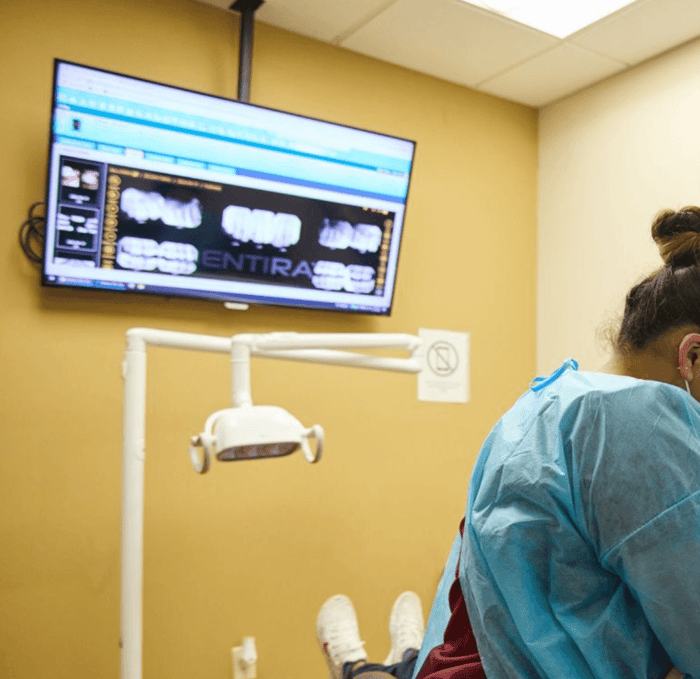
Your first visit usually includes a full exam and digital records, like X-rays and a CBCT 3D scan. The CBCT scan gives a three-dimensional look at your jaw, teeth, and bone. This detail goes way beyond what plain X-rays can show.
How 3D Imaging Helps Map Safe Implant Placement
With 3D imaging, your dentist can see exactly how much bone you have, where nerves and sinuses are, and the best angle for each implant. This planning cuts down on surprises during surgery and helps the results last. Using this tech, dentists can give you a more predictable outcome.
When Bone Grafting or a Sinus Lift May Be Needed
Not everyone has enough bone for implants right away. If your jawbone has thinned, a bone graft may be needed to build it up first.
upper back teeth, a sinus lift might be required to make room below the sinus cavity. These steps add some time but often make implants possible for people who thought they weren’t candidates.
From Implant Post to Final Smile
The implant process goes through several steps, each with its own reason. Knowing what happens at each stage helps you plan and keeps things less stressful. It’s not an overnight thing, but it’s usually worth the wait.
Placing the Implant Post in the Jawbone
Your dentist places the titanium post into your jawbone during a minor surgical visit. You’ll get local anesthesia, and sedation is an option if you’re anxious. The post acts as a new tooth root, and its position is guided by all that pre-treatment imaging.
Healing Time and Osseointegration
After the post is placed, your body starts a process called osseointegration. The jawbone fuses with the titanium, creating a rock-solid anchor. This usually takes a few months. Most people need about six to eight months for full recovery, but it can vary.
The Abutment, Crown, or Denture Attachment
Once healing is done, your dentist attaches an abutment to the implant post. That’s the connector for your new tooth. Depending on your plan, you might get a single crown, an implant bridge, or an implant-supported denture on top.
What Recovery Usually Feels Like
After implant surgery, you’ll probably have some swelling and tenderness for a few days. Over-the-counter pain meds usually do the trick. Most people stick to soft foods at first, but you can get back to normal activities within a few days.
Who Is a Good Candidate and What Can Change the Plan
Not everyone qualifies for standard dental implants right away, but many can still get them with a few adjustments. A consultation with your dentist will help you figure out your options and what might work best for you.
Healthy Gums, Bone Volume, and Everyday Habits
Good candidates have healthy gums and enough jawbone to support an implant. If you have gum disease, you’ll need to treat it first. Smoking can slow healing and lower your chances of success, so your dentist will likely talk about that during your evaluation.
When Mini Dental Implants May Be Considered
Mini dental implants are thinner than standard ones and work well when bone is limited or when you want a less invasive option. They’re often used to stabilize lower dentures. Mini implants don’t fit every case, but they open up implant treatment for some people who can’t get full-size implants.
Medical Factors That Matter Before Surgery
Some health issues can affect healing after oral surgery. These include uncontrolled diabetes, autoimmune problems, or meds that change bone density. Being honest about your medical history helps your dentist plan a safe approach that fits your needs.
Questions to Ask at Your Consultation
It’s smart to go into your consultation with questions. Try asking:
How many implants do I need and why?
Will I need a bone graft or sinus lift?
What’s the full timeline for my treatment?
Are there any medical factors that affect my options?
What risks should I know about?
What payment or financing choices do you offer?
Cost, Value, and Finding the Right Local Provider
Picking an implant dentist near you isn’t just about the price tag. The quality of care, the tech they use, and their experience all matter for lasting results. Don’t just go with whoever’s closest or cheapest—dig a little deeper.
What Affects Cost for Single and Full-Mouth Care
Dental implant costs depend on how many you need, if you need bone grafting, and what kind of final teeth you’re getting. A single implant is less expensive than full mouth dental implants for a whole arch. Insurance sometimes helps, especially if you need extractions or prep work for medical reasons.
Why Transparent Pricing Matters
Transparent pricing means you see a clear breakdown before you start, not after. That helps you budget and avoid surprise bills. Look for offices that explain costs, offer payment plans, and give written estimates. It shows they respect your time and your wallet.
How to Compare an Implant Dentist Near You
When you’re comparing dentists, look past location. Think about how they communicate, if they use modern imaging like CBCT scans, and how they handle follow-up care. Patient reviews and the dentist’s experience with implants can help you feel more confident in your choice.
Credentials, Technology, and Long-Term Follow-Up
The restorative dentistry team in El Segundo brings advanced tools and a personal touch to every stage of the implant process. When you check out a provider, ask about their credentials, what imaging systems they use, and how they handle post-treatment care.
Dental implants are a big investment, so it really matters that your provider keeps tabs on your progress long after the work is done.
Credentials worth asking about:
Special training in implant dentistry or oral surgery
Use of CBCT 3D imaging for precise planning
Hands-on experience with bone grafting and sinus lifts
Active membership in dental organizations
Clear aftercare instructions and regular follow-ups
Restore Your Smile With Long-Term Stability
Dental implants offer a reliable way to replace missing or failing teeth while supporting your overall oral health. From improving chewing function to preserving jawbone structure, they provide benefits that go beyond appearance.
At El Segundo Modern Dentistry & Orthodontics, patients receive personalized care. We evaluate if implants are the right solution for their needs. Careful planning and modern technology help create predictable, lasting results.
If you are considering dental implants, schedule a consultation to explore your options. Taking the next step now can help you regain comfort, confidence, and long-term oral health.
Frequently Asked Questions
How long do dental implants last?
Dental implants can last many years, often decades, with proper care. Good oral hygiene and regular dental visits are essential for long-term success. The crown on top may need replacement over time, but the implant itself is designed to be durable.
Are dental implants better than dentures?
Dental implants are often more stable than traditional dentures. They do not shift during eating or speaking and help preserve jawbone structure. However, the best option depends on your individual needs and oral health.
Is the dental implant procedure painful?
Most patients report minimal discomfort during the procedure. Local anesthesia is used, and sedation options may be available. Mild soreness after treatment is common and usually manageable.
How long does the implant process take?
The full process can take several months, depending on healing time and whether additional procedures are needed. Osseointegration, where the implant fuses with the bone, is a key part of the timeline. Your dentist will provide a personalized schedule.
Can failing teeth always be replaced with implants?
Many failing teeth can be replaced with implants, but it depends on your bone health and overall condition. Some patients may need preparatory treatments like bone grafting. A consultation helps determine the best plan.