If you are wondering how implant consultations help determine if you're a candidate, the answer starts with a detailed, personalized evaluation. This visit helps your dentist understand your oral health, bone structure, and overall readiness for dental implants.
At El Segundo Modern Dentistry & Orthodontics, consultations are designed to give patients clear answers and realistic expectations. This process helps identify whether implants are the right solution or if preparatory care is needed first.
In this guide, you will learn what happens during an implant consultation, what factors are evaluated, and how dentists decide the best path forward for your treatment.
Whether Implants Fit Your Tooth Replacement Needs
Not every missing tooth means you need an implant. When you come in, your dentist looks at how many teeth you’re missing, where they are, and how your bite lines up. Sometimes, implants are a great fit. Other times, another option might make more sense, or you might need some extra prep before anything else happens.
What Makes Someone a Strong Candidate
People with healthy gums, enough jawbone, and no untreated oral infections usually make strong dental implant candidates. Age, medical background, and lifestyle choices matter too. Your dentist will go through all of these with you. It’s not about passing or failing—it’s about figuring out what your care will involve and what comes next.
When Treatment May Need to Happen in Stages
Implant dentistry isn’t always a one-and-done deal. Sometimes you’ll need bone grafts, gum care, or other stuff before the actual implant goes in. Your dentist will lay out any steps you need ahead of time. Seeing the big picture early helps you plan for time, money, and what to expect down the road.
Your Oral Health Check Comes First
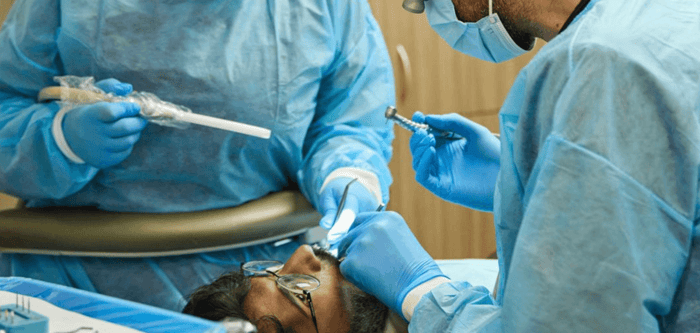
Before anyone talks implants, your dentist will check your oral health up close. They’ll look at your gums, teeth, any crowns or fillings, and check for infections or swelling that could mess with implant success.
Your Oral Health Check Comes First
A thorough oral exam helps identify conditions that may affect implant success. According to the American Dental Association, untreated gum disease or infection can increase the risk of complications with dental implants. Addressing these issues early supports better outcomes.
Dentists also evaluate overall oral stability before moving forward. According to the same ADA guidance, maintaining healthy gums and teeth is essential for long-term implant success. This step ensures the mouth is ready for treatment.
Looking Closely at Gums, Teeth, and Bite
A full oral exam is always part of an implant consultation. Dentists check for gum disease, tooth decay, bite issues, and the state of your remaining teeth. Gum health is a big deal. If you’ve got gum disease or it’s untreated, you’re more likely to have problems like peri-implantitis—an infection around the implant.
Why Infection and Inflammation Must Be Treated Early
Active infections can mess up healing and lower the odds of a successful implant. If your dentist spots an infection, they’ll insist on treating it first. Skipping this step just isn’t worth the risk to your health or your implant.
How Daily Habits Affect Long-Term Success
Your brushing and flossing routine matters far beyond the day of surgery. Keeping up with cleanings and good habits protects your implant and the surrounding tissue. Dentists will probably ask about your current habits and suggest tweaks if you need them. Even small changes before surgery can really pay off later.
Why Jawbone Support Matters So Much
Your jawbone basically acts as the anchor for a dental implant. Without enough bone, the titanium post just won’t fuse right or stay put over time. It’s the foundation—no way around it.
How Bone Density and Bone Quality Are Measured
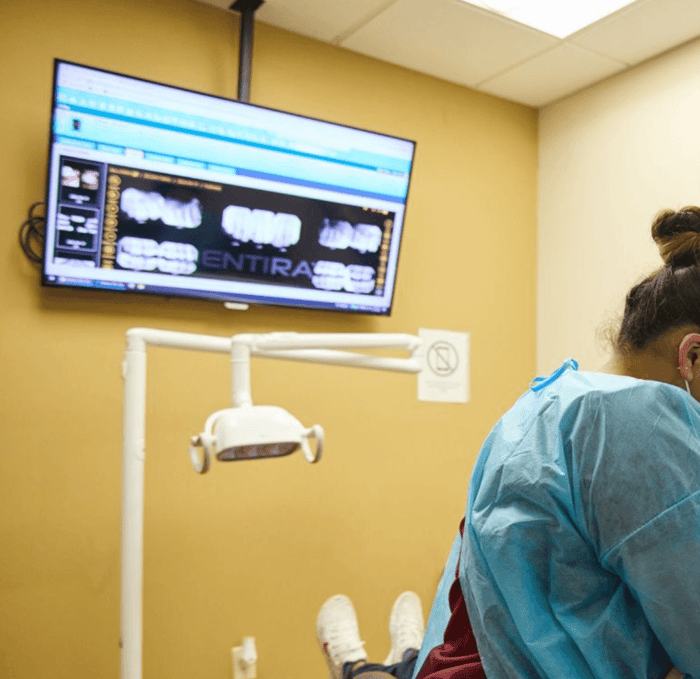
Dentists use X-rays and 3D scans to check bone density and quality. These tools let them measure the height, width, and density of the bone where they’d put the implant. This is a huge part of figuring out if you’re a good fit for implants.
When Bone Grafting or a Sinus Lift May Be Recommended
If you’ve lost bone density, you might need a bone graft before getting an implant. For implants up top near the sinuses, a sinus lift could be on the table too. These steps add time, but they give your implant the support it needs to actually last.
What Osseointegration Needs to Succeed
Osseointegration is when your jawbone fuses with the titanium post. This takes a few months and needs enough bone, good blood flow, and a healthy immune system. If this process goes well, your implant stays solid. Your dentist will check that your bone and health history support this before moving forward.
The Imaging and Technology That Shape the Plan
Modern imaging makes a big difference in dental implant planning. Dentists rely on these tools to see details you just can’t spot with the naked eye.
What X-Rays and 3D Scans Help Your Dentist See
X-rays show teeth, roots, and bone levels. 3D scans—like cone beam CT (CBCT)—give a full 360-degree look at your jaw and everything around it. With 3D imaging, dentists can place implants with much more precision. These scans show bone loss, nerve paths, sinus spaces—stuff regular X-rays just can’t capture.
How Digital Impressions Improve Fit and Comfort
Digital impressions swap out old-school putty molds for a quick, accurate scan of your teeth and gums. This makes designing your new crown or tooth way more comfortable. A good fit feels better and works more like a real tooth.
When Computer-Guided Implant Placement Adds Precision
Some cases use computer-guided placement. Dentists take your scan data and map out exactly where to put the implant before surgery starts. This approach can improve accuracy and even shorten recovery. Not everyone needs it, but for tricky spots, it really helps.
Health History, Age, and Lifestyle Factors That Matter
Your overall health has a real impact on whether implants are a good idea and how well you’ll heal. Dentists look at your medical history before they suggest next steps. It’s all about safety and long-term results.
Conditions Your Provider Will Review Carefully
Condition | Why It Matters |
Diabetes | Slows healing and increases infection risk |
Osteoporosis | May affect bone density and implant stability |
Autoimmune disorders | Can interfere with osseointegration |
Heart disease | May require clearance before oral surgery |
Cancer treatment history | Radiation to the jaw can reduce bone health |
None of these conditions automatically rule out implants. If you manage your health well, you might still be eligible. Dentists just need the full story to keep you safe and get the best results.
Why Smoking and Healing Risks Are Part of the Conversation
Smoking cuts down blood flow to your gums and jaw, which slows healing after surgery. It also bumps up the odds of implant failure. Dentists will ask about tobacco use—no judgment, just facts. Cutting back or quitting before and after surgery can make a big difference in your outcome.
What the Age Limit Question Really Means
There’s no hard upper age limit for dental implants. If you’re an adult with enough bone and good health, you could be a candidate. With younger people, the main thing is waiting until the jaw stops growing—usually late teens or early twenties. Otherwise, age isn’t the dealbreaker some people think it is.
Comparing Implants With Other Ways to Replace Teeth
Implants aren’t the only way to replace missing teeth. During your consultation, your dentist might go over other options so you can choose what fits your life and goals.
When a Dental Bridge or Dentures May Make Sense
A dental bridge can fill gaps without surgery by attaching to nearby teeth. Dentures swap out a whole row of teeth and you can take them out to clean. Both work well for some people—especially if you’ve got bone loss, a tight budget, or want a quicker fix.
Options for Replacing One Tooth or Several Teeth
A single implant and crown can replace one tooth and leave the others alone.
Implant-supported dentures anchor a whole set of teeth with just a few implants.
Multiple implants can hold up a bridge, so you don’t need a post for every single gap.
Traditional dentures stay an option if you’d rather avoid surgery or aren’t a good candidate.
Each choice comes with its own upkeep, comfort, and long-term effects. Dentists will help you sort through what matches your needs best.
How Stability and Comfort Affect the Decision
Implants have a big edge over dentures in stability. They don’t move when you eat or talk, which a lot of people find way more comfortable and reassuring. Bridges stay put too, but they don’t keep your jawbone strong like implants do. Your dentist will talk through these pros and cons so you can pick what matters most to you.
Choosing the Right Specialist and Preparing for Treatment
Depending on your case, you might see more than one dental specialist. Knowing who’s on your team and what to ask can help you feel ready from day one.
Who May Be Involved in Your Care Team
Your team might include a general dentist, prosthodontist, or oral surgeon. Prosthodontists focus on replacing and restoring teeth. Oral surgeons handle the implant surgery itself. Sometimes, they’ll check in with your regular doctor if you’ve got medical stuff to sort out first.
Questions to Ask During the Appointment
How many steps will my treatment plan have?
Will I need bone grafting or other prep procedures?
What kind of recovery time should I expect?
How do you handle things if something goes wrong?
What are my payment or financing options?
Asking these questions helps you walk out of your consultation with a solid understanding of what’s ahead and what choices you still need to make.
What to Expect After Surgery and During Recovery
Recovery time after dental implant placement really depends on the person. Most folks get back to their usual routines in a few days. Still, full healing takes months while the bone fuses with the implant.
Your dental team gives you aftercare instructions, like what foods to eat, ways to handle soreness, and when to come in for checkups. If you stick to their advice, you'll likely heal better and faster.
Implant treatment planning moves in clear steps. Your consultation starts it all. Knowing what happens at each stage helps you feel more at ease moving forward.
Get Clear Answers Before Starting Implant Treatment
An implant consultation is the first step in understanding whether dental implants are right for you. It allows your dentist to evaluate your oral health, bone structure, and overall readiness for treatment in a personalized way.
At El Segundo Modern Dentistry & Orthodontics, consultations are focused on clarity, comfort, and long-term success. Patients receive detailed guidance on their options, including any steps needed before moving forward with implants.
If you are considering dental implants, schedule a consultation to get a clear, customized plan. Taking this step helps you move forward with confidence and ensures the best possible outcome for your smile.
Frequently Asked Questions
What happens during a dental implant consultation?
During a consultation, your dentist examines your teeth, gums, and jawbone. Imaging such as X-rays or 3D scans, may be taken. This information helps determine if implants are a suitable option.
How do dentists decide if I am a candidate for implants?
Dentists evaluate bone density, gum health, and overall medical history. These factors influence healing and implant stability. A personalized assessment ensures safe and effective treatment planning.
Can I still get implants if I have bone loss?
Yes, but you may need a bone graft first. This procedure helps rebuild the jawbone to support the implant. Your dentist will determine if this step is necessary during your consultation.
Do health conditions affect implant eligibility?
Certain conditions, like diabetes or immune disorders, can impact healing. Dentists review your medical history carefully before recommending treatment. Many patients can still qualify with proper management.
Is age a factor in getting dental implants?
Age alone is not usually a limiting factor. As long as your jawbone has finished developing and your health supports healing, implants may be an option. Your dentist will evaluate your individual situation.