Persistent tooth pain can interrupt daily activities and make simple tasks uncomfortable. Root canal treatment helps stop this pain by removing infection deep within the tooth and restoring comfort.
At El Segundo Modern Dentistry & Orthodontics, our team provides root canal care designed to relieve ongoing pain and stabilize your tooth. This way, it can function comfortably again. We guide your treatment plan while focusing on restoring strength and comfort.
In this article, you’ll learn why tooth pain develops, how root canals work to eliminate discomfort, and what to expect before, during, and after the procedure.
Understanding Persistent Tooth Pain
If you have tooth pain that won’t go away, it’s important to know what might be causing it and when you should get help. Ignoring the pain can lead to more serious problems, but taking action can save your teeth and stop the discomfort.
Common Causes of Ongoing Dental Discomfort
Persistent tooth pain often comes from damage inside the tooth. This can happen if decay reaches the nerve, causing infection or inflammation. Sometimes, a cracked tooth or worn fillings can also expose sensitive parts inside your tooth.
Other causes include gum disease that affects the tissues around your teeth or an abscess, which is a pocket of infection. You might feel constant throbbing or sharp pain when biting. If pain lasts more than a few days or gets worse, it usually means the problem needs treatment.
How Deep Decay Reaches the Tooth Pulp
When decay spreads past the outer enamel, it begins affecting the softer layers inside the tooth. According to the American Dental Association (ADA), once bacteria reach the pulp, inflammation and infection can cause severe, persistent pain.
The ADA explains that this inner tissue cannot heal on its own once infection sets in. Without treatment, pain often increases as pressure builds inside the tooth. Understanding this process helps clarify why timely root canal therapy is often needed to stop ongoing discomfort
When to Seek Treatment for Toothaches
You should contact your dentist if your pain lasts more than 2 days or is severe. If you notice swelling, fever, or trouble opening your mouth, seek care right away. These signs suggest the infection may be spreading.
Modern dental tools help find what’s causing your pain and provide gentle care to fix it. Early treatment can stop pain before it damages your teeth or spreads to other areas.
Risks of Ignoring Chronic Tooth Pain
Ignoring tooth pain can cause serious problems. The infection can get worse, leading to major damage inside the tooth and the need for more complex treatment or even extraction. Pain may spread to your jaw or other parts of your face.
You may also have swelling or develop an abscess, which might require antibiotics or urgent care. Waiting too long can make your recovery slower and more uncomfortable. Acting quickly helps protect your smile and overall health.
How Root Canals Relieve Tooth Pain
Root canal treatment targets the source of your tooth pain by removing infection, reducing swelling, and keeping your natural tooth healthy. This approach helps you avoid further discomfort and the need for more invasive procedures.
The Role of Root Canal Therapy
Root canal therapy removes damaged or infected tissue inside your tooth. This soft tissue, called the pulp, contains nerves and blood vessels. When it gets infected, it causes sharp, persistent pain.
Your dentist cleans out this infected pulp carefully and then seals the space inside the tooth. This stops bacteria from returning and causing more pain or damage.
Modern tools help make this process as smooth and comfortable as possible. This therapy targets pain at its source to bring relief quickly.
Eliminating Infection and Inflammation
Infection inside the tooth leads to swelling and pressure, which causes ongoing pain. Root canals remove the infected pulp to stop this cycle. Cleaning and disinfecting the canals inside the tooth removes bacteria that thrive in the damaged tissue.
Without this infection, inflammation goes down, easing pain naturally. You may feel slight soreness after treatment as your body heals. Most patients notice pain relief soon after the procedure. Taking good care of your mouth afterward helps prevent new infections.
Preserving Natural Teeth
One major benefit of root canal therapy is saving your natural tooth from extraction. Keeping your teeth strong helps maintain clear speech and proper chewing. When your natural tooth remains, surrounding teeth do not have to shift or wear unevenly.
This keeps your bite stable and looks more natural. Gentle, patient-centered care protects your natural teeth with root canals whenever possible. This is a lasting choice for your oral health and comfort.
What to Expect During a Root Canal in El Segundo
A root canal involves careful steps to treat your tooth infection while keeping you comfortable. You’ll have a clear plan from diagnosis to pain control, making the process easy to understand and manage.
Assessment and Diagnosis
Your visit begins with a thorough exam. The dentist will check your tooth and may take X-rays to see inside and around the root. This helps identify infection or damage in the pulp. You’ll discuss your symptoms, like pain or sensitivity, so the dentist can confirm if a root canal is the best option.
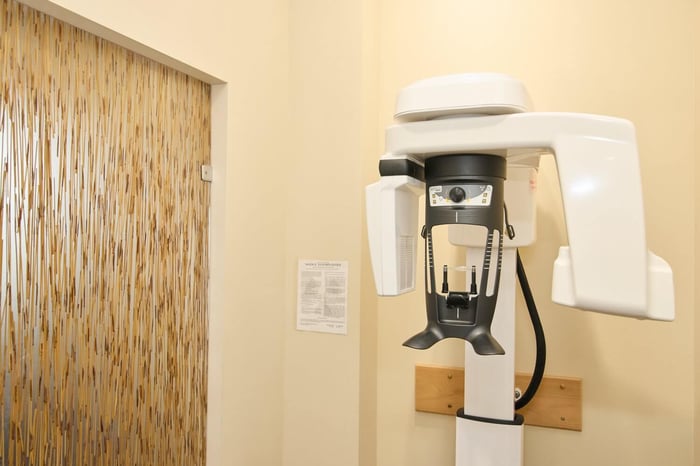
Early diagnosis is key to stopping the infection and saving your tooth. Modern digital tools provide precise and quick results. These tools reduce discomfort during exams and give your dentist a clear view to plan your care.
Step-by-Step Root Canal Procedure
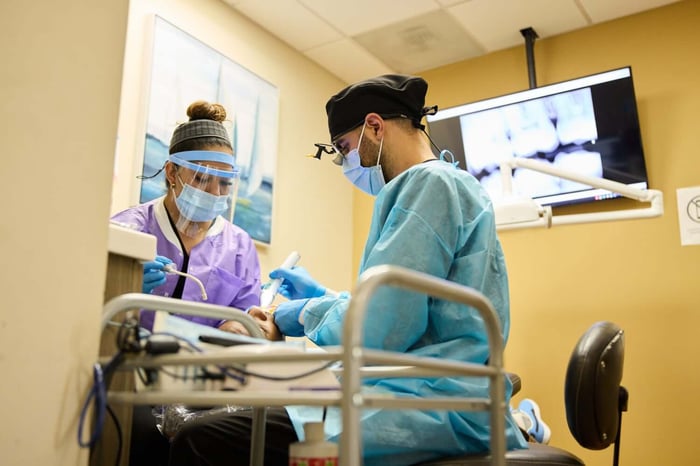
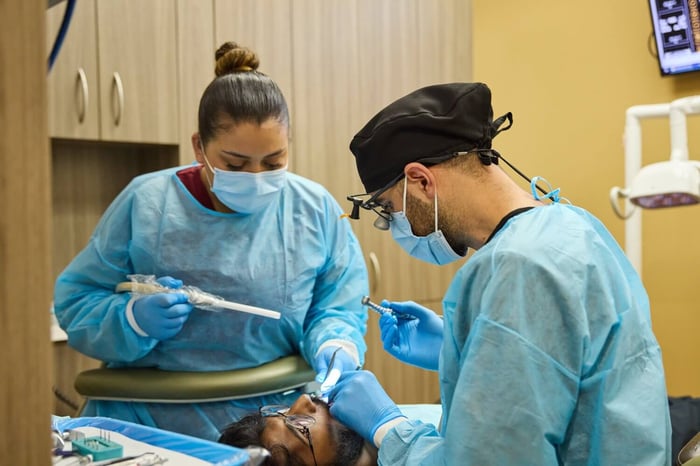
First, the dentist numbs the area using a local anesthetic so you won’t feel pain. Then, they create a small opening in the tooth to reach the infected pulp. Using tiny instruments, the dentist gently removes the infected tissue.
After cleaning and shaping the canal, the dentist fills the space with a safe, rubber-like material to seal it. This prevents new bacteria from entering. Finally, a temporary filling or crown protects your tooth.
This process usually takes one or two visits. Each step focuses on precision and care to keep you comfortable and your tooth healthy.
Pain Management Techniques
Your comfort is the top priority during the root canal. Local anesthesia keeps you numb and pain-free during the procedure. If you feel anxious, ask about options like nitrous oxide (laughing gas) to help you relax.
After the treatment, some mild soreness or sensitivity is normal. Over-the-counter pain relievers can ease discomfort. Your dental team will give you clear aftercare instructions to help you heal smoothly.
If any pain lasts longer or gets worse, contact your dentist right away to ensure proper healing. Your comfort and well-being come first at every step.
Benefits of Choosing Root Canal Treatment Locally
Getting a root canal in your local community helps you save time and lowers stress. It also means you can get expert care and easy access to specialists who understand your needs well.
Expert Dental Care in El Segundo
When you choose root canal treatment in El Segundo, you get care from dental professionals who know the area and your community. Experts use modern tools and gentle techniques to make your visit more comfortable.
This practice focuses on clear, honest communication, so you understand every step of the treatment.
Local dentists can provide quick relief from pain while helping you keep your natural tooth. Their experience with advanced root canal treatments means fewer visits and less discomfort. Plus, being close to home means you can get follow-up appointments easily if needed.
Consulting with Local Specialists
Seeing a local specialist means you have easy access to dentists experienced in complex root canal procedures. Specialists in El Segundo can give you personalized care by reviewing your dental health history and tailoring treatment to your needs.
Consulting nearby makes scheduling simpler, and you benefit from a welcoming, family-friendly environment. Your dentist can also coordinate with other local healthcare providers if needed. This teamwork helps you get a smooth, comfortable treatment experience from start to finish.
Aftercare and Recovery Following Root Canal Therapy
After your root canal, taking proper care helps your tooth heal and reduces discomfort. You will learn how to manage the first few days and what you can do to keep tooth pain from coming back.
Post-Procedure Care Tips
Right after your root canal, your tooth might feel sensitive or sore. This is normal and usually goes away within a few days. Use over-the-counter pain relievers like ibuprofen to help ease pain. Avoid chewing hard foods on that side of your mouth until your permanent crown or filling is placed.
Keep your mouth clean by gently brushing and flossing. Be careful around the treated tooth to avoid irritation. Your dentist may give you specific instructions about rinsing or medications. Follow them closely to support healing.
If you notice swelling or severe pain that gets worse after a few days, call your dentist. These could be signs of infection that need prompt care.
Long-Term Prevention of Tooth Pain
To stop pain from coming back, keep brushing twice daily and flossing once a day. Regular dental check-ups help catch issues early. Your dentist will check the root canal and the surrounding area to make sure everything stays healthy.
Avoid chewing very hard or sticky foods that could damage the treated tooth or its crown. Also, if you grind your teeth, ask about a night guard. Grinding puts extra pressure on your teeth and can cause discomfort.
Your dental team will guide you with clear advice to keep your smile pain-free and support your long-term tooth health.
Moving Forward With Relief and Confidence
Root canal therapy offers lasting relief by removing the source of infection and preserving your natural tooth. With careful treatment and follow-up care, most patients regain comfort quickly and return to normal function.
At El Segundo Modern Dentistry & Orthodontics, we provide root canal treatment designed to ease persistent pain and restore dependable strength to your tooth. Our approach keeps you comfortable while supporting predictable healing.
Struggling with ongoing tooth pain or noticing new sensitivity? Schedule a visit so we can evaluate the affected tooth and provide treatment that brings steady, lasting relief.
Frequently Asked Questions
Root canal treatment helps stop persistent tooth pain by removing infected tissue and protecting your tooth from further damage. You’ll learn what signs mean you might need this treatment, how pain relief works, and what to expect before and after the procedure.
What are the signs that I might need a root canal?
You may feel a constant or sharp toothache that doesn’t go away. Sensitivity to hot or cold that lingers, swelling around the tooth, or darkening of the tooth color can also be signs. Sometimes, you might notice tenderness when biting or chewing.
Can a root canal procedure provide permanent relief for toothaches?
Yes, a root canal often offers long-term relief by removing the infection causing the pain. It saves your natural tooth and stops discomfort when done properly. However, keeping good oral hygiene is key to preventing future problems.
How can I manage pain while waiting for a root canal appointment?
Over-the-counter pain relievers like ibuprofen can help lower pain and swelling. Avoid very hot or cold foods and eat soft items to reduce pressure on the tooth. Rinsing with warm salt water also soothes irritated gums.
Is a root canal a better option than tooth extraction for pain relief?
A root canal saves your natural tooth, which helps keep your bite and jaw function normal. Extraction removes the tooth, which might lead to more dental work later. Your dental team can discuss your options so you can decide what fits you best.
What should I expect during the recovery period following a root canal?
You might feel some mild soreness or tenderness for a few days. Your dentist may recommend pain medicine and eating softer foods. Avoid chewing hard items until your tooth is fully healed and restored with a crown or filling.
How quickly does the pain typically subside after a root canal treatment?
Most people feel relief from severe pain soon after treatment. Mild discomfort may last for a day or two as your mouth heals. If pain worsens or continues, contact your dentist right away.