Sudden tooth sensitivity can make daily eating and drinking feel irritating or even painful. Gentle solutions can ease this discomfort and help you return to normal routines without stress.
At El Segundo Modern Dentistry & Orthodontics, we look closely at what’s triggering your sensitivity. We provide calm, conservative solutions to help you feel more comfortable. Our approach focuses on comfort while supporting safe, effective relief.
In this guide, you’ll learn what triggers sudden sensitivity, which gentle home remedies can help, and how non-invasive treatments restore comfort when sensitivity persists.
Understanding Sudden Tooth Sensitivity
Sudden tooth sensitivity happens when your teeth react strongly to certain triggers, causing quick discomfort.
This sensitivity can start in different ways and last for varying amounts of time, depending on the cause and how you treat it. Knowing what triggers it and how it develops helps you choose gentle treatment options that work best for your needs.
Common Triggers
Your tooth sensitivity can be set off by hot or cold drinks, like coffee or ice water. Acidic foods, such as citrus fruits or soda, might also cause sharp pain. Cold air hitting uncovered parts of your teeth can bring unexpected discomfort, too.
Other triggers include brushing too hard or using a toothpaste with harsh ingredients. Sometimes, teeth grinding or even changes in your dental work can expose sensitive areas. Keeping a note of what causes your pain helps you avoid those triggers and protect your teeth.
How Sensitivity Develops
Tooth sensitivity usually happens when the protective layer on your teeth, called enamel, becomes thin or worn away. This exposes the layer underneath, dentin, which has tiny tubes leading to nerves.
When exposed, these tubes let sensations reach your nerves more easily, causing sharp pain. Gum recession can also expose the tooth roots, which are not covered by enamel and are very sensitive.
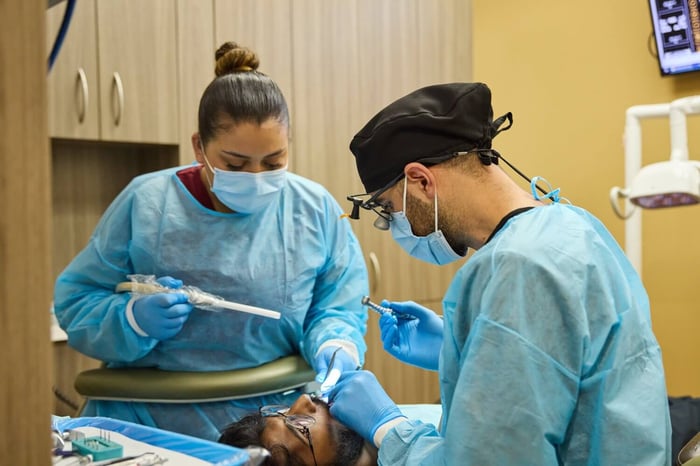
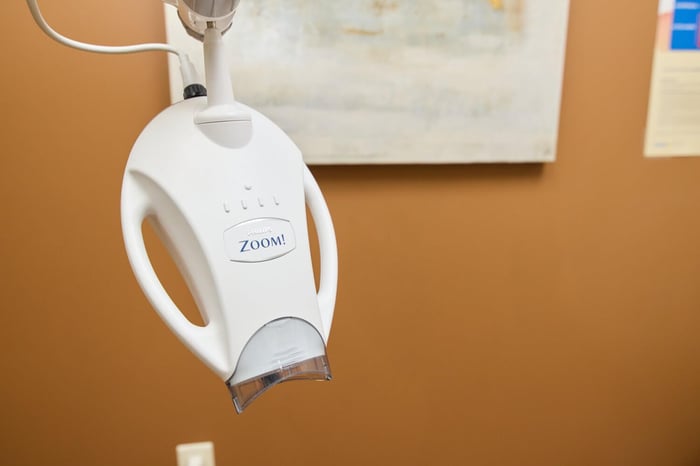
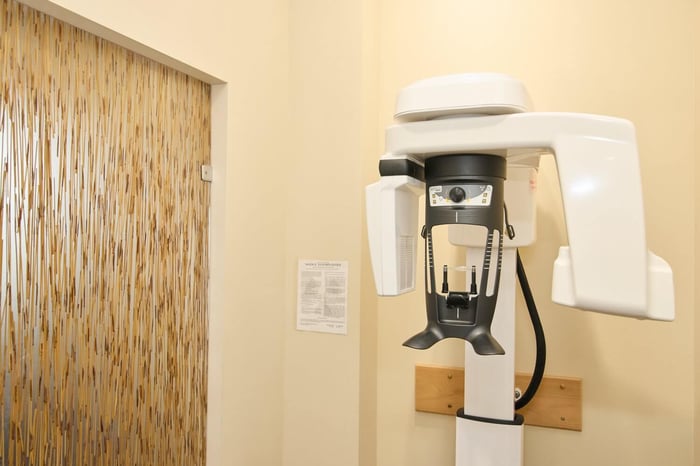
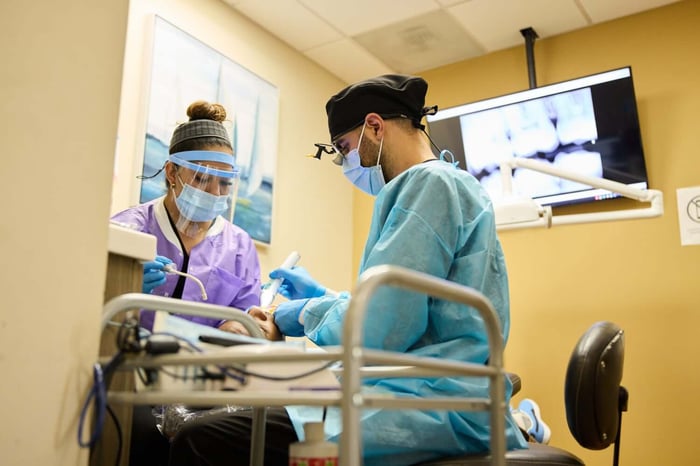
Sometimes, dental problems like cavities or cracked teeth open a pathway to sensitive nerves. A dental team can gently check what’s causing your sensitivity using modern tools.
How Enamel Erosion Increases Nerve Response
Enamel erosion exposes the underlying dentin, which contains tiny pathways leading to tooth nerves. According to the American Dental Association (ADA), when dentin is exposed, temperature and pressure changes reach the nerves more easily and trigger sharp pain.
The ADA explains that erosion commonly develops from acidic foods, teeth grinding, and abrasive brushing. Reducing these factors and strengthening enamel can help lessen sensitivity over time.
Understanding this connection helps you choose gentle treatments that protect enamel and reduce nerve irritation.
Short-Term Versus Persistent Sensitivity
Sudden sensitivity might only last a short time, especially if it comes from something simple like eating cold ice cream or brushing too hard once. This kind of sensitivity often improves with gentle care and avoiding triggers.
Persistent sensitivity, however, lasts longer and may point to underlying problems like gum disease or worn fillings. If sensitivity stays or worsens, it’s important to get a professional exam. Your dentist can offer treatments that are gentle yet effective, helping you find relief without stress or pain.
Gentle Home Remedies for Immediate Relief
When tooth sensitivity hits suddenly, simple steps can ease your discomfort right away. Using basic ingredients and daily care, you can calm sensitivity without harsh treatments or delay.
Saltwater Rinse Solutions
A saltwater rinse is a gentle way to reduce sensitivity and soothe irritated gums. Mix half a teaspoon of salt into a glass of warm water. Swish this around your mouth for about 30 seconds, then spit it out. Do this up to twice daily.
Saltwater helps lower bacteria in your mouth, which can ease inflammation and protect sensitive teeth. It is mild and safe, making it a good first step you can try at home. Avoid rinsing right after eating to let the saltwater work best.
Using Desensitizing Toothpaste
Desensitizing toothpaste blocks the tiny channels that lead to the tooth nerves. Look for toothpaste with ingredients like potassium nitrate or stannous fluoride. Using it as your regular toothpaste can help build protection.
Apply the toothpaste gently with a soft-bristle brush. Brush twice a day in small circles, focusing on sensitive spots. Avoid harsh scrubbing, as this can make sensitivity worse.
It may take a few days to notice relief, but this method is safe for daily use and recommended by dentists.
Temperature Control Techniques
Extremely hot or cold foods can trigger sensitivity quickly. To manage this, avoid very cold drinks or ice cream, and choose room temperature or lukewarm foods whenever possible. If you want something cold or hot, try using a straw to keep liquids away from sensitive teeth.
Also, sip slowly to give your teeth time to adjust to temperature changes. Controlling temperature exposure avoids shocking your teeth, which helps reduce sudden pain and keeps your mouth more comfortable throughout the day.
Non-Invasive Professional Treatments
You have gentle options that can help reduce sudden tooth sensitivity without drilling or surgery. These approaches focus on protecting your teeth and calming the nerves, keeping your treatment simple and comfortable.
Fluoride Applications
Fluoride treatments safely strengthen your tooth enamel and reduce sensitivity. A fluoride gel or varnish is applied directly to the sensitive areas. This helps block pain sensations by sealing tiny holes in the enamel.
The process is quick and painless. You might feel a cool or slightly sticky sensation, but the application itself takes only a few minutes. Regular fluoride treatments can build a protective layer, making everyday things like cold drinks or sugary foods less troubling. Many people notice improvement after just one visit.
Dental Sealants for Sensitivity
Dental sealants are thin coatings applied over vulnerable spots on your teeth. They create a barrier that shields exposed dentin, which often causes sharp sensitivity when touched by temperature changes or sweets.
The sealant is smoothly painted onto your clean tooth surface and hardened with a special light.
The treatment is gentle, painless, and usually takes less than 30 minutes. Sealants protect weak areas from further wear and make your teeth less reactive to triggers. This method works well alongside fluoride to keep you comfortable throughout the day.
Lifestyle Changes to Reduce Discomfort
Making simple changes in your daily habits can help lower tooth sensitivity and make your teeth feel more comfortable. Adjusting what you eat and how you care for your teeth plays a big role in reducing pain caused by sudden sensitivity.
Diet Modifications
You can reduce sensitivity by avoiding foods and drinks that irritate your teeth. Try to limit acidic items like citrus fruits, soda, and wine. These can wear down the outer layer of your teeth and expose the sensitive parts underneath.
Stick to cooler or room-temperature foods instead of very hot or cold ones. Drinking plenty of water helps rinse away acids left in your mouth after eating. Using a straw when drinking acidic beverages can also protect your teeth by reducing contact with the liquid.
If you notice certain foods trigger sharp pain, it’s best to avoid them. This small change can prevent discomfort and keep your teeth healthier.
Oral Hygiene Best Practices
Brushing gently is important when you have sensitive teeth. Use a soft-bristled toothbrush and light pressure to protect your gums and tooth enamel. Brushing too hard can make sensitivity worse by wearing down tooth enamel.
Choose toothpaste made specifically for sensitive teeth. These kinds of toothpaste help block pain signals from reaching your nerves and can make daily care easier.
Avoid using whitening products or harsh mouthwashes that may irritate your teeth. Instead, floss daily and schedule regular cleanings with your dentist to keep your mouth healthy.
Choosing the Right Oral Care Products
Using the right toothbrush and mouthwash can make a big difference if you have sudden tooth sensitivity. Picking gentle, effective products helps protect your teeth and keeps you comfortable.
Selecting Soft-Bristled Toothbrushes
A soft-bristled toothbrush is best for sensitive teeth. Hard bristles can wear down enamel and irritate gums, making sensitivity worse. Look for brushes labeled "soft" or "extra soft."
When you brush, use gentle pressure and small, circular motions. This reduces the risk of harming your teeth or gums. Replace your toothbrush every three months or sooner if the bristles spread out.
Electric toothbrushes with soft heads are also good choices. They provide steady, gentle cleaning without too much force. Your dentist can help you find the best toothbrush to keep your teeth healthy without pain.
Alcohol-Free Mouthwashes
Alcohol in mouthwash can cause a burning sensation and dry out your mouth, increasing tooth sensitivity. Choose an alcohol-free mouthwash designed for sensitive teeth instead.
These mouthwashes often include ingredients like fluoride or potassium nitrate, which help strengthen enamel and reduce pain. Rinse as directed, usually once or twice a day, to protect and soothe sensitive areas.
Avoid whitening or antiseptic mouthwashes if your teeth feel tender, as they may irritate your mouth. If you’re unsure which mouthwash fits your needs, ask your dental team for guidance.
Finding Comfortable Relief That Fits Your Needs
Gentle care options can ease sudden tooth sensitivity and help you enjoy daily activities again. With the right steps, short-term discomfort becomes easier to manage, and long-term irritation can be prevented.
El Segundo Modern Dentistry & Orthodontics carefully evaluates sensitivity and recommends treatments to ease discomfort and protect vulnerable areas. Our goal is to make your care as comfortable and supportive as possible.
Noticing sudden zingers or increasing sensitivity? Schedule a visit so we can pinpoint the cause and provide treatment that brings dependable, gentle relief.
Frequently Asked Questions
Tooth sensitivity can start suddenly and cause discomfort with different triggers. Knowing simple relief methods, causes, and safe treatments helps you manage the pain gently and effectively.
What are some gentle home remedies for sensitive teeth pain relief?
Rinsing with warm saltwater can soothe your gums and reduce irritation. Using a soft-bristled toothbrush and avoiding very hot or very cold drinks may also help ease sensitivity. Applying a small amount of clove oil to the painful area can provide temporary relief. Avoid acidic foods that can worsen sensitivity until your teeth feel better.
Which types of desensitizing toothpaste are recommended for sudden tooth sensitivity?
Look for toothpaste with potassium nitrate or stannous fluoride. These ingredients help block pain signals from your tooth’s nerves. Use the toothpaste twice daily with a gentle brushing technique. Over time, you may notice less sensitivity and more comfort.
What could be the reasons behind the sudden sensitivity of my teeth?
Sudden sensitivity may come from worn enamel, gum recession, or a small cavity. Sometimes, recent dental work or grinding your teeth can cause this issue. Other causes include exposed tooth roots or cracks. A dental exam can identify the exact reason and suggest the right care.
Are there specific treatments available for teeth that become sensitive to cold?
Yes, treatments include applying fluoride varnishes that strengthen enamel and reduce sensitivity. Your dentist might recommend sealing exposed roots or using gentle laser therapy for relief.
Professional cleanings and checkups can prevent sensitivity from worsening by keeping your teeth and gums healthy.
What should I do if only one of my teeth becomes sensitive without any apparent cause?
If one tooth hurts suddenly, it could be a sign of a crack, decay, or infection. Avoid chewing on that side and schedule an exam promptly. Your dentist will examine your tooth and may take X-rays. Early diagnosis helps prevent more serious problems.
How can pregnant women safely manage tooth nerve pain?
Pregnant women should focus on gentle home care, such as saltwater rinses and using desensitizing toothpaste with their doctor’s approval. Avoid strong painkillers unless a healthcare provider advises otherwise.
Regular dental visits help monitor and manage sensitivity safely during pregnancy. Prioritize both your comfort and your baby’s health.