Dental emergencies can feel overwhelming, especially when pain or trauma happens suddenly and disrupts daily life. When you need an emergency dentist in El Segundo, knowing what to expect can help you act quickly and confidently.
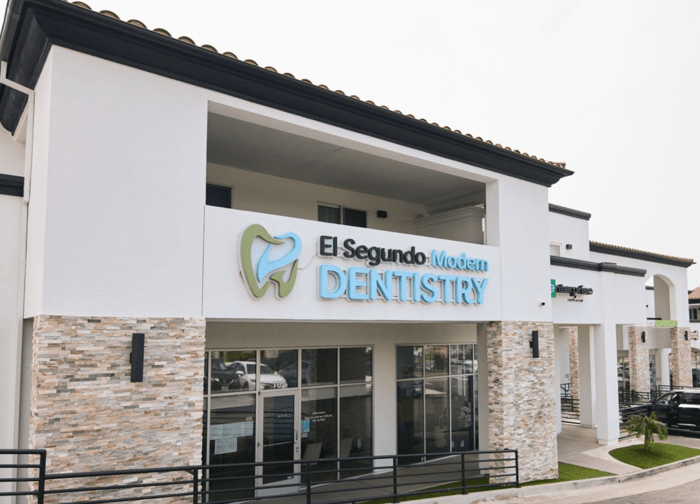
At El Segundo Modern Dentistry & Orthodontics, we focus on clarity, comfort, and prompt support during urgent situations. Our aim is to help reduce stress and guide you toward the right next steps.
In this guide, you’ll learn how to recognize true dental emergencies, understand how urgent care visits work, explore cost and insurance basics, and discover ways to prevent future problems.
What Qualifies as a Dental Emergency?
A dental emergency involves sudden problems with a tooth, gum, jaw, or dental work that need quick attention to stop pain, prevent infection, or save a tooth. You will find examples of true emergencies, common urgent issues, and clear signs that you should seek care right away.
Common Types of Dental Emergencies
Knocked-out tooth (avulsed tooth): If you can find the tooth, rinse it gently and try to place it back in the socket. If that’s not possible, store it in milk or saline and get to a dentist or ER within an hour for the best chance of saving it.
Severe toothache: Intense, persistent pain that wakes you or won’t ease with over-the-counter pain relievers can signal infection or an exposed nerve. You need prompt evaluation and likely treatment.
Broken, chipped, or cracked tooth: A large break that causes sharp edges, pain when biting, or exposed pulp requires urgent care to prevent infection and further damage. Small chips may wait for a next-day appointment.
Loose or displaced tooth: A tooth pushed out of place or loose after trauma can damage surrounding tissue and needs fast stabilization.
Abscess or swelling: A painful, swollen area inside the mouth or jaw often means an infection. This can spread and cause systemic illness if not treated quickly.
Bleeding or jaw injury: Heavy, uncontrolled bleeding or a suspected broken jaw are emergencies. Go to the ER if bleeding won’t stop or the jaw is misaligned.
Understanding Why Prompt Care Matters
Timely treatment can prevent a minor issue from becoming a more serious problem. Quick care limits infection, preserves tooth structure, and reduces the chance of long-term complications. According to the American Dental Association (ADA), early evaluation improves outcomes and lowers risks during emergencies.
Many dental infections progress silently at first, which is why sudden pain or swelling requires prompt attention. Early diagnosis can keep an emergency from escalating into hospital-level care. Recognizing the value of fast intervention empowers patients to act with confidence when symptoms appear.
Identifying Urgent vs. Non-Urgent Conditions
Urgent conditions need same-day attention but may not be life-threatening. Examples include severe tooth pain, a large cracked tooth, a loose crown causing pain, or a swollen area that is painful but not causing fever or breathing trouble.
Call a dentist and describe symptoms; many offices can triage you by phone. Non-urgent issues can wait for a scheduled appointment. These include minor sensitivity, a small chip without pain, a lost filling that doesn’t hurt, or mild irritation from braces.
Use home care—saltwater rinses, OTC pain meds, and dental wax—to manage symptoms until you can see your dentist. If you have any doubt, err on the side of contacting a dental office. They can tell you whether to come in now, seek the emergency room, or wait for a regular visit.
Signs You Need Immediate Dental Care
Look for these red flags that require immediate professional attention:
Severe, unrelenting pain that prevents sleep or normal activity.
Heavy bleeding from the mouth that won’t stop after 10–15 minutes of firm pressure.
High fever with mouth swelling or spreading redness, which suggests a spreading infection.
Difficulty breathing or swallowing, which can mean infection has reached deeper tissues—go to the ER.
Tooth completely knocked out, where replanting within an hour is possible.
Visible bone or severe facial swelling after trauma, or a jaw that you can’t move or that looks misaligned.
If you notice any of these signs, call an emergency dentist or go to the nearest emergency room right away.
How Emergency Dentist Services in El Segundo Help
Emergency dental clinics in El Segundo focus on fast pain relief, infection control, and saving teeth when possible. You can get same-day care, round-the-clock options, and clear steps for what will happen during your visit.
Same-Day Appointments and Walk-Ins
You can often get seen the same day for severe tooth pain, a broken tooth, or a lost crown. Many El Segundo practices keep slots open for emergencies so you won’t wait weeks for care. Call ahead if you can; that helps the office prepare X-rays, pain meds, or a temporary crown before you arrive.
If you walk in, the staff typically triages you first. They check pain level, swelling, and signs of infection.
Expect basic imaging, a quick exam, and immediate steps to control pain—like local anesthesia, temporary fillings, or drainage if an abscess is present. Offices may offer payment plans or financing if cost is a concern.
24-Hour Emergency Care Availability
Not every clinic in El Segundo is open 24/7, but some emergency dental services and on-call dentists provide after-hours help. If severe swelling, fever, or uncontrolled bleeding occurs, call an emergency dentist or a listed 24-hour line right away.
They can advise whether you need immediate in-office care, a visit to urgent care, or an ER. When you contact a 24-hour service, expect instructions to manage symptoms before arrival.
These may include applying cold compresses, performing salt-water rinses, or handling a knocked-out tooth correctly. To preserve the tooth, hold it by the crown, rinse gently, and keep it in milk or your mouth. These measures lower the risk of further damage and improve outcomes when you reach the clinic.
What to Expect During Your Visit
On arrival, the team registers you and asks about symptoms, recent dental work, and medical history. They perform a focused exam and take X-rays if needed to pinpoint a fracture, infection, or loose restoration. The dentist then discusses treatment options and costs so you can decide.
Common immediate treatments include pain control (local anesthetic or oral meds), temporary fixes (bonding, crowns, or splints), and antibiotics for infections. If a root canal or extraction is needed, they explain timing and follow-up. You’ll get aftercare instructions and any prescriptions before leaving.
Critical Situations Requiring Immediate Attention
Act fast when a tooth is knocked out, pain is sharp or throbbing, or your face is swollen and warm. Quick action can save a tooth, stop an infection from spreading, and reduce the risk of more serious complications.
Managing a Knocked-Out Tooth
If your tooth is completely out, pick it up by the crown (the chewing surface). Avoid touching the root. If it’s dirty, rinse gently with milk or saline for no more than 10 seconds; do not scrub or use soap.
Try to place the tooth back into its socket immediately. If that’s not possible, keep it moist by placing it in milk, saline, or your cheek (not directly in water). Use a glass or tooth preservation kit if available.
Get to an emergency dentist within 30–60 minutes. Success drops the longer you wait. Bring the tooth and any fragments in a clean container and any fragments. If bleeding is heavy, bite on gauze and see urgent care or the dentist right away.
Addressing Severe Tooth Pain
Severe tooth pain that wakes you up, prevents eating, or lasts more than a day needs prompt care. Pain with fever or sensitivity to hot and cold often means infection or nerve involvement.
Rinse with warm salt water to reduce bacteria and gently remove debris. Use over-the-counter pain relief like ibuprofen unless you have contraindications. Apply a cold pack outside the cheek for 10–15 minutes to reduce swelling and pain.
Call an emergency dentist right away. They will assess for issues like a cracked tooth, abscess, or exposed nerve. Do not place aspirin directly on the gum; that can burn tissue. Follow the dentist’s instructions about antibiotics or root canal treatment.
Treatment for Infections and Swelling
Facial swelling, pus, fever, or a bad taste in your mouth can signal a dental infection. Infections in the mouth can spread quickly to nearby tissues and airways, so seek immediate care.
The dentist will examine you and likely take X-rays. Treatment may include drainage of an abscess, antibiotics, and pain control. In some cases, a root canal or extraction is required to remove the source of infection.
If swelling affects breathing, swallowing, or spreads to the eye or neck, go to the emergency room. Follow all prescribed antibiotics fully, and return for follow-up so the dentist can confirm the infection is resolved.
Cost, Insurance, and Payment for Emergency Dental Care
You will likely face a range of costs depending on the problem and how quickly you need care. Many clinics offer payment plans, and insurance may cover part of the visit depending on your policy.
Typical Emergency Dental Costs
Costs vary by treatment. A simple exam and X-ray often runs $50–$200. Emergency tooth extractions usually cost $150–$600 for a single tooth, while surgical extractions can be $300–$1,200 or more.
Root canal therapy on a front tooth typically costs $500–$1,200; molar root canals can be $800–$2,000. A temporary crown or repair for a broken tooth may cost $300–$1,000, depending on materials.
Ask the emergency dentist staff for an itemized estimate before treatment. Prices change with anesthesia, imaging (CBCT), and antibiotics. If you need same-day or after-hours care, expect an additional emergency or urgent-care fee of $50–$250.
Insurance Coverage and Financing Options
Many dental insurance plans cover emergency exams and some procedures, but coverage limits and waiting periods apply. You should check whether your plan covers X-rays, extractions, root canals, or crowns, and what your deductible and co-pay will be.
Emergency services at night or on weekends may not be fully covered. If you lack insurance, ask the emergency dental service about payment plans, low-interest financing (CareCredit or similar), and in-house plans.
Some clinics offer sliding-scale fees or reduced-cost exams for first-time emergency visits. Keep records and receipts; many insurers require itemized claims or pre-authorization for costly procedures.
Prevention and Long-Term Oral Health Strategies
Focus on simple daily habits and regular dental visits to lower your risk of dental emergencies and keep your teeth healthy long term. Use protective gear during sports, avoid hard foods, and see your dentist on a regular schedule to catch problems early.
Tips to Prevent Dental Emergencies
Brush twice a day with fluoride toothpaste and floss daily. This removes plaque that can cause decay and severe tooth pain.
Replace a worn toothbrush every 3 months. A fresh brush cleans better and helps prevent gum damage.
Wear a custom or boil-and-bite mouthguard for contact sports. This cuts the chance of broken or knocked-out teeth.
Avoid chewing ice, hard candies, popcorn kernels, and using teeth to open packages. These actions often cause cracked or chipped teeth that need urgent care.
Treat grinding (bruxism) with a nightguard if your dentist recommends one. Grinding can lead to broken fillings and tooth fractures.
Keep up with fillings and crowns. Delaying repair can cause worse breakage or infection that becomes a dental emergency.
Don’t ignore sudden swelling, sharp pain, or a loose tooth. Early treatment often prevents infection or tooth loss.
When to Schedule Routine Dental Checkups
See your dentist every six months for a cleaning and exam if you have good oral health. These visits spot early decay, loose crowns, and gum disease before they become emergencies.
Come in every three to four months if you have active gum disease, frequent cavities, or a history of root canals. Closer monitoring reduces the risk of sudden infections.
Schedule an appointment right away after trauma, like a knocked-out tooth or a strong blow to the mouth. Immediate care raises the chance that your tooth can be saved.
Call your dentist if you note persistent sensitivity, swelling, or a filling that falls out. Waiting can lead to abscesses that require emergency treatment.
Ask your dentist about X-rays yearly or as recommended. X-rays reveal hidden decay, root problems, and infections that could turn into urgent issues.
Staying Prepared for Dental Emergencies
Dental emergencies can happen quickly, but understanding symptoms, treatments, and next steps helps you respond with confidence. The right information allows you to protect your oral health and act before problems worsen.
At El Segundo Modern Dentistry & Orthodontics, our team is committed to providing clear guidance, supportive care, and a calm experience when urgent dental issues arise.
If you’re experiencing pain, trauma, or sudden changes in your mouth, reach out for help. A simple call can connect you with the care you need and give you peace of mind during stressful moments.
Frequently Asked Questions
You can usually find same-day slots for severe pain, broken teeth, or lost crowns. Many clinics keep time each day for urgent cases, and some offer after-hours or weekend options.
What are the typical operating hours for Emergency Dental Services in El Segundo?
Most dental offices operate weekdays from about 8:00 AM to 5:00 PM. Some clinics extend hours into early evenings and keep limited weekend morning or afternoon hours.
How can I get an emergency dental appointment on weekends or holidays in El Segundo?
Call local offices early and ask for an emergency or same-day slot; many reserve space for urgent cases. If your regular clinic is closed, look for practices that advertise weekend or holiday coverage and call the listed emergency number.
What should I do if I experience a dental emergency outside of regular clinic hours?
Call the emergency number for the dental office you normally use; many have voicemail instructions or a triage line. If you have uncontrolled bleeding, severe infection with fever, or a broken jaw, go to the nearest hospital emergency room.
Can I receive emergency dental care in El Segundo without an existing patient record?
Yes. Many offices accept walk-ins or new emergency patients and will treat urgent pain or trauma. Be prepared to provide ID, a brief medical history, and payment or insurance information.
Are there any emergency dentists in El Segundo that offer services for children?
Yes. Several local practices treat pediatric emergencies, including knocked-out or fractured baby teeth and severe toothaches. Call ahead to confirm the office treats children and to learn about any age limits or special pediatric care.
How do I know if my dental issue requires immediate emergency treatment?
Seek immediate care for uncontrolled bleeding, severe pain, swelling that affects breathing or swallowing, a knocked-out permanent tooth, or a suspected broken jaw. For other issues like a chipped tooth, loose crown, or mild pain, call your dentist for triage and same-day guidance.