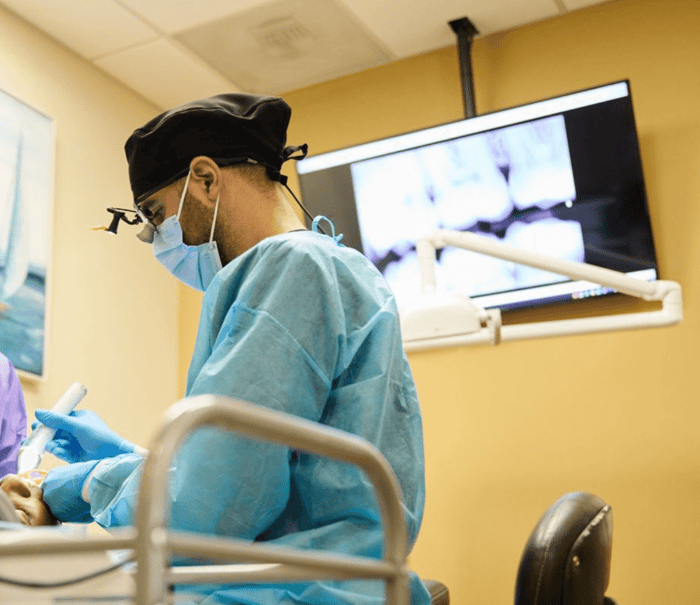
You want a dentist in El Segundo who offers skilled care and a calm, predictable visit every time. This guide explains how local dentists support preventive, cosmetic, and restorative needs for patients of all ages.
At El Segundo Modern Dentistry & Orthodontics, you’ll find a team focused on comfort, clear communication, and modern tools that make each visit smoother. Their approach helps reduce stress and keeps care efficient for busy schedules.
In this article, you’ll learn how to compare local offices, understand common dental treatments, review cosmetic and advanced options, and know what to expect during emergencies so you can choose care confidently.
Finding the Best Dentist in El Segundo
Look for a dentist who provides clear care, fits your schedule, and accepts your payment method. Use reviews, location, and insurance details to pick a dental office that makes visits easy and predictable.
Qualities of a Trusted El Segundo Dentist
Find a dentist with strong local reviews and steady patient feedback. Check sites like WebMD, Healthgrades, and local review pages to confirm consistent ratings and recent patient comments about communication and pain management.
Verify credentials and years in practice. A dentist who lists education, board certifications, and continuing education shows commitment. Ask about the team: hygienists, assistants, and front-desk staff affect your daily experience.
Observe how the office handles new patients. Good practices offer clear treatment plans, written cost estimates, and consent for procedures. Prioritize dentists who explain options plainly and show before-and-after examples for restorations or cosmetic work.
Location, Hours, and Accessibility
Pick a dental office close to your home, work, or school in El Segundo to reduce missed appointments. Note nearby parking, public transit stops, and whether the office sits on a busy street that may slow access.
Confirm office hours and same-day or emergency slots. Many dental offices list early morning or evening hours; choose one that matches your work schedule. Ask whether they reserve time for urgent pain, broken teeth, or knocked-out teeth.
Check physical accessibility. If you or a family member uses a wheelchair, verify ramps, wide doorways, and an accessible restroom. Also, ask about appointment reminders via text, email, or phone so you don’t miss visits.
Insurance and Payment Options
First, confirm whether the dental office accepts your plan. Call the office or check its insurer list online to confirm in-network status and covered services like cleanings, X-rays, and crowns.
Understand copays, deductibles, and annual maximums. Ask the office to estimate your out-of-pocket cost before any major work. Request a written treatment plan with line-item pricing so you can compare.
Explore payment alternatives. Many dental offices offer payment plans, CareCredit, or in-house financing for procedures not fully covered by insurance. If you lack coverage, ask about discount plans or bundled pricing for common services.
General Dentistry Services Offered
You can expect routine checks, preventive treatments, and care for all ages that protect teeth and gums, catch problems early, and keep your mouth healthy. The next parts explain specific services you’ll get and how they help your dental health.
Dental Exams and Cleanings
You’ll receive a full dental exam that looks for cavities, gum disease, and signs of other issues like wear or infection. The dentist checks each tooth, inspects your gums, and reviews X-rays when needed to find problems that aren’t visible to the eye.
Professional cleanings remove plaque and tartar above and below the gumline. Hygienists polish teeth and apply fluoride when appropriate. These visits usually include bite and jaw checks and a review of any changes since your last exam.
If the dentist finds early decay or gum inflammation, they’ll recommend targeted care such as fillings, deeper cleanings, or more frequent checkups. You’ll leave with a clear plan and a schedule for follow-up care.
Why Routine Cleanings Matter
Routine cleanings remove tartar and bacteria that brushing alone cannot reach. According to the American Dental Association (ADA), consistent preventive visits lower the risk of gum disease and tooth loss.
Regular exams also catch early decay and bite issues before they become complex or costly. Many adults skip visits because they feel fine, but early gum disease often has no pain. Cleanings help monitor subtle changes and protect long-term oral health.
Preventative Care and Oral Hygiene
You’ll learn specific steps to lower your risk of decay and gum disease. The dentist will tailor advice on brushing technique, fluoride use, and flossing based on your mouth’s condition and risk factors like past cavities or dry mouth.
Preventive treatments can include fluoride varnish, dental sealants on molars, and regular X-rays to monitor hidden issues. These measures reduce the chance you’ll need extensive restorative work later.
The dentist also screens for habits that harm oral health—tobacco use, clenching, or diet choices—and suggests changes or appliance therapy when needed. You’ll get clear, actionable tips to protect your dental health between visits.
Family Dental Care
You’ll find services designed for every family member, from infant exams and baby tooth guidance to care for teens and seniors. Pediatric visits focus on growth, eruption patterns, and building good hygiene habits early.
For older children and adults, the practice handles routine care, fillings, and emergency treatment like toothaches or broken teeth. Seniors receive attention for gum recession, root sensitivity, and maintenance of crowns or implants.
Appointments can be scheduled to see multiple family members at once to save time. The dentist adapts treatment plans to each age and health need, so your whole family can maintain strong oral health.
Cosmetic Dentistry and Smile Enhancements
You can change your smile with targeted treatments that focus on color, shape, and alignment. Options include in-office and at-home whitening, thin porcelain veneers for chips or gaps, and clear aligners to straighten teeth without wires.
Teeth Whitening Options
You can choose between in-office bleaching and dentist-prescribed at-home kits. In-office whitening uses stronger peroxide gels and can lighten teeth several shades in one visit. That works well if you need fast, noticeable results for an event or photos.
At-home options include custom trays from your dentist and over-the-counter strips. Custom trays fit your teeth and give more even results than store brands. Your dentist will check for cavities or sensitivity before treatment to avoid pain or uneven whitening.
Ask about maintenance: avoid staining foods and touch-up kits. Whitening works best on external stains from coffee, tea, or tobacco and may not change some internal tooth discoloration. Your dentist can recommend alternatives if whitening won’t reach the result you want.
Veneers and Porcelain Veneers
Veneers are thin shells bonded to the front of teeth to change color, shape, or size. Porcelain veneers look most natural and resist stains better than composite resin. They work well if you have chips, gaps, or permanently discolored teeth.
The process usually takes two to three visits: consultation, tooth preparation and impressions, and final bonding. Your dentist will remove a small amount of enamel so the veneer sits flush with adjacent teeth. You’ll get temporary veneers if needed while the lab makes the final pieces.
Care is similar to natural teeth: brush, floss, and avoid biting hard objects. Porcelain veneers can last 10–15 years with good care, but they are not reversible once enamel is removed. Discuss costs, shade matching, and whether crowns or bonding might be better for your case.
Clear Aligners and Orthodontic Services
Clear aligners move teeth gradually using a series of custom plastic trays. They offer a discreet way to fix crowding, spacing, and mild bite issues without metal brackets. You remove them for eating and cleaning, which makes oral hygiene easier.
Treatment starts with scans or impressions and a digital plan showing each stage of movement. You’ll switch trays every one to two weeks and visit your dentist or orthodontist for periodic checks. Average treatment time ranges from several months to two years, depending on complexity.
Clear aligners may not suit severe bite problems; an orthodontist can advise whether traditional braces or combined treatments work better. Ask about wear-time rules, retention (retainers after treatment), and expected results before you start.
Advanced Dental Solutions and Technology
You can restore missing teeth and get faster, more accurate care thanks to modern dental tools and procedures. Expect options that focus on long-term function, natural appearance, and less chair time.
Dental Implants and Tooth Replacement
Dental implants replace both the tooth root and crown, giving you stability for chewing and speech. A titanium implant is placed in the jawbone, then a custom crown, bridge, or denture attaches after healing. Implants help preserve jawbone volume and prevent adjacent teeth from shifting.
Consultation and 3D imaging to evaluate bone and nerve location.
Surgical placement of the implant.
Healing period (often 3–6 months) before the final restoration.
You may qualify for single-tooth implants, implant-supported bridges, or full-arch implant dentures, depending on bone health and budget. Discuss sedation options and realistic timelines with your dentist to plan treatment that fits your needs.
Modern Dental Technology
Digital tools speed diagnosis and improve precision so you get targeted care with less guesswork. Common technologies you may see include digital X-rays and cone beam CT scans for clear images with lower radiation. Intraoral scanners capture 3D models of your teeth without messy putty.
CAD/CAM milling for same-day crowns and restorations.
Clear aligner planning using digital treatment simulations.
Intraoral cameras to show you problem areas in real time.
These technologies often reduce appointment counts and help your dentist make more accurate recommendations. Ask which specific tools your practice uses and how they change your treatment plan.
Emergency Dental Care in El Segundo
You can get same-day care for severe tooth pain, broken or knocked-out teeth, and infections. Local clinics often keep openings for emergencies and offer flexible payment or financing options.
Recognizing Dental Emergencies
A true emergency causes severe pain, active bleeding, or risk of infection. Seek urgent care if you have tooth pain that won’t stop, a tooth knocked out, a deep crack exposing nerve tissue, or swelling that affects breathing or swallowing.
Intense, constant tooth pain or pain with fever.
A loose or missing tooth after trauma.
Heavy bleeding that won’t stop after 10–15 minutes of pressure.
Facial or jaw swelling, red streaks, or pus, which suggest infection.
Minor issues like a small chip without pain, mild sensitivity, or a lost filling are urgent but not always emergency-level. Call a dentist if you’re unsure.
Immediate Steps to Take
Control bleeding and reduce pain while you get care. Apply clean gauze with firm pressure for bleeding. Use a cold pack on the cheek for 10–15 minutes to reduce swelling and pain.
For a knocked-out permanent tooth:
Handle by the crown only; do not touch the root.
Rinse debris with water gently; do not scrub.
Place the tooth back in the socket if possible, or store it in milk or saliva and get to a dentist within an hour.
For a severe toothache, rinse with warm salt water and take over-the-counter pain relievers per label directions.
Do not place aspirin directly on the gums or the tooth. If you suspect infection (swelling, fever, spreading redness), seek care the same day. Infections may need antibiotics and fast treatment to prevent wider health risks.
How El Segundo Dentists Address Emergencies
Local practices prioritize rapid evaluation and pain relief. Many keep same-day slots and will triage by phone to advise whether to come in immediately.
Pain control with local anesthesia, prescriptions, or over-the-counter guidance.
Tooth reimplantation or splinting for knocked-out or loose teeth.
Temporary restorations or crowns to protect cracked teeth.
Drainage and antibiotics for abscesses and infections.
Emergency root canal or extraction when needed.
Clinics also offer payment plans and work with insurance to reduce delays. Call ahead, describe symptoms clearly, and follow any home-care steps the office gives so you get high-quality dental care quickly.
Your Next Step Toward Confident Dental Care
Choosing a trusted dentist in El Segundo becomes easier when you know what services to expect and what features define a reliable practice. Understanding preventive, cosmetic, and restorative options helps you make informed decisions for long-term oral health.
At El Segundo Modern Dentistry & Orthodontics, care centers on personalized guidance, comfort, and clear explanations at every stage. Their balanced approach supports healthier teeth and a more confident smile for the whole family.
If you’re ready to explore your options, schedule a consultation* or ask questions about treatment, coverage, or timing. Taking the first step today can help you enjoy a healthier smile with less stress and more clarity.
* We're sorry, but we do not accept Medi-Cal, Denti-Cal, or HMO.
Frequently Asked Questions
This section answers common questions you might have about dental care in El Segundo. It covers services, how to check local reviews, pediatric dentist credentials, orthodontic options, and simple dental rules you can use at home.
What services are provided at a family dentistry clinic in El Segundo?
You can expect routine care like dental cleanings, exams, and X-rays to screen for cavities and gum disease. Most clinics also offer fillings, root canals, crowns, extractions, and teeth whitening.
Many family practices provide preventive care for all ages, plus emergency care for pain or broken teeth. Some clinics add cosmetic services such as veneers and bonding, and implant consultations for missing teeth.
How can I find reviews for dental practices on Grand Avenue?
Search Google Maps or Yelp and enter the clinic name plus "Grand Avenue El Segundo" to see ratings and recent reviews. Look for patterns in comments about staff friendliness, wait times, and results rather than a single high or low rating.
Check Healthgrades, Zocdoc, or Birdeye for patient comments and appointment availability. Call the office to ask about new-patient paperwork and insurance acceptance before booking.
What are the qualifications of a pediatric dentist in El Segundo?
A pediatric dentist first completes dental school, then finishes a 2-3 year pediatric residency focused on child dental care. They should be board-eligible or board-certified by the American Board of Pediatric Dentistry and listed on professional directories.
Look for experience treating infants, children with special needs, and adolescents. Confirm the office uses child-friendly equipment and behavior management techniques.
Are there orthodontic services available in El Segundo, and what do they include?
Yes. Orthodontic services typically include braces (metal or ceramic), clear aligners, and retainers. Offices also offer early orthodontic exams, space maintainers, and jaw growth guidance for children.
Full treatment plans list estimated time, costs, and monthly visit schedules. Ask whether the office provides digital scans or X-rays to track tooth movement.
How does the 222 rule apply to dental care?
The 2 2 2 rule means brush for 2 minutes, twice a day, and visit your dentist every 2 years for a full evaluation if you have no problems. Most dentists recommend more frequent checkups—usually every 6 months—for cleanings and preventive care.
Use a timer or an electric toothbrush with a built-in timer to ensure a full 2 minutes. Pair brushing with daily flossing to reduce plaque between teeth.
What does the 80/20 rule refer to in the context of dental health?
The 80/20 concept in dental health often means 80% of oral health comes from daily home care, and 20% from professional treatment.
Brushing, flossing, and diet control have the biggest impact on preventing cavities and gum disease.
Focus on consistent daily habits, and keep regular professional cleanings and exams to catch problems early.