Seeing a children’s orthodontist in El Segundo, CA, helps your child get expert, age-appropriate treatment for developing jaws, bite concerns, and tooth alignment. Early guidance helps prevent bigger issues later and builds confidence during every stage of growth.
At El Segundo Modern Dentistry & Orthodontics, we support families with gentle orthodontic evaluations and clear treatment planning. We use kid-friendly techniques that make braces, expanders, and aligners easier for children to understand and tolerate.
This guide explains when to schedule a visit, how treatments work, what parents should expect at each stage, and how to choose the right pediatric orthodontist near you.
Why Seek a Children’s Orthodontist in El Segundo, CA?
You’ll get targeted care for growing jaws, timely treatment that can avoid complex procedures later, and local access to specialists who know area practices and referral networks.
Importance of Early Orthodontic Care
An early orthodontic consultation around age 7 lets a specialist spot bite, jaw growth, and eruption problems before they worsen.
If your child has crowding, a crossbite, or thumb-sucking that affects tooth position, early checks can guide jaw growth and create room for adult teeth. That may cut treatment time or avoid tooth extractions later.
Early visits also let the orthodontist plan phased care. You might start with a simple appliance to redirect growth, then wait for full eruption before braces or aligners. These steps reduce surprises and help you budget time and cost.
Benefits of Localized Treatment
Choosing a children’s orthodontist in El Segundo means easier appointments, faster access for adjustments, and coordination with local pediatric dentists. Short travel times matter when you have frequent visits for braces, expanders, or emergency repairs.
Local providers are also familiar with nearby specialists and hospitals if surgical care becomes necessary.
A community-based practice often offers school-friendly schedules and clearer insurance coordination with Los Angeles County providers. You can get same-area referrals for X-rays, pediatric dental care, or oral surgery, so care stays connected and less stressful for your family.
How Pediatric Orthodontics Differs From General Dentistry
A pediatric orthodontist focuses on jaw growth, tooth eruption timing, and developing facial bones — not just cleaning or fillings.
After dental school, they complete extra years of specialty training in diagnosing and treating children’s bite and skeletal problems. That training covers growth prediction, use of growth-modifying appliances, and managing behavior in young patients.
During an orthodontic consultation, the specialist evaluates growth patterns, takes targeted X-rays, and proposes timing for treatment. Your child may need Phase 1 devices, full braces, or clear aligners later. The goal is to treat at the right time with the right tools to protect long-term oral health.
When to Schedule an Orthodontic Consultation for Your Child
An early check can spot jaw growth issues, tooth crowding, or bite problems before they need more invasive care. A consultation gives a clear plan: monitor growth, start interceptive treatment, or wait and review.
Best Age for First Visit
You should schedule a first orthodontic consultation by age 7. At this age, many permanent front teeth have come in, and an orthodontist can see how the jaws are growing. The American Association of Orthodontists recommends this timing because some treatments work best while the child is still growing.
The visit is usually a short exam and X-rays if needed. The orthodontist will tell you if immediate treatment is needed, if periodic checkups are enough, or if treatment should wait until more teeth arrive. Often, the appointment simply sets a monitoring plan.
Common Signs Your Child Needs Orthodontic Attention
Watch for early signs that mean you should book an orthodontic consultation sooner than age 7. These include persistent thumb sucking past age 4, early or late loss of baby teeth, difficulty biting or chewing, speech problems, or visible jaw shifts when your child bites.
Crowded, blocked, or erupting teeth that come in at odd angles also warrant a visit.
Other signs are chronic mouth breathing, frequent jaw pain, or uneven wear on teeth. If you notice any of these, bring your child in for an orthodontic consultation so the doctor can evaluate growth, take records, and recommend immediate or future care.
Top Pediatric Orthodontic Treatments Available
You’ll find a range of treatments that move teeth, hold space, or change jaw growth. Each option targets specific issues like crowding, bite problems, or missing-space concerns.
Traditional Braces for Kids
Traditional braces use metal brackets bonded to teeth and wires that apply steady pressure to shift teeth into place. Brackets come in small, child-sized versions, and wires are adjusted every 4–8 weeks to guide movement.
You’ll typically see treatment for crowded front teeth, crossbites, and significant spacing issues. Braces work well when precise tooth movement is needed or when children need treatment, regardless of how compliant they are with removables.
Expect routine care: tightening appointments, monitoring for loose brackets, and learning new hygiene habits. Your child may wear elastics for bite correction. Most cases finish in 18–30 months, but timing varies by age and severity.
Clear Aligners and Invisalign Options
Clear aligners use a series of custom plastic trays that snap over teeth and move them in small steps. They work best for mild to moderate crowding and spacing and for older children who can wear them 20–22 hours daily.
You’ll get new trays every 1–2 weeks and office check-ups about every 6–8 weeks. Advantages include easier brushing, fewer food limits, and a lower visual profile compared with metal braces.
Limitations matter: aligners may not correct complex bite or growth-related jaw issues. The orthodontist will evaluate compliance, tooth movement goals, and whether permanent molars are present before recommending aligners.
Space Maintainers and Expanders
Space maintainers are simple devices that hold space when a baby tooth is lost early. They prevent nearby teeth from drifting into the gap so the permanent tooth can erupt in the right position.
You’ll see band-and-loop or fixed-wire types placed until the adult tooth is ready. These require occasional checks to ensure they stay in place and don’t irritate gum tissue.
Palatal expanders widen the upper jaw to correct narrow arches or crossbites. You or your child will turn a small screw daily to apply gradual pressure. Expansion often takes a few weeks, with a few months of retention afterward. Expanders can reduce crowding and make future tooth alignment easier.
How Orthodontists Use Records to Plan Treatment
Orthodontic records—digital scans, panoramic X-rays, and photos—help specialists measure jaw growth and tooth movement. The American Dental Association (ADA) notes that these diagnostics allow orthodontists to predict how children’s teeth will erupt and how appliances should be timed.
Precise records guide decisions about expanders, braces, and aligners so treatment stays efficient and safe. These measurements also help parents understand expected outcomes before treatment begins.
The Role of Retainers in Children’s Orthodontics
Retainers keep the tooth positions your child gained from braces or aligners. They come in different styles, give both short- and long-term protection against relapse, and need regular care to work well.
Types of Retainers
You will usually see three main types: removable Hawley-style, vacuum-formed (clear), and fixed bonded wire.
Hawley-style: metal wire across the front teeth with an acrylic plate.
Pros: durable, adjustable by the orthodontist.
Cons: more visible and can affect speech at first.
Vacuum-formed (clear) retainers: thin plastic trays that fit over teeth.
Pros: low profile and easy to replace.
Cons: can warp from heat and may wear out faster.
Fixed (bonded) retainers: a thin wire glued to the back of front teeth.
Pros: work continuously and are invisible from the front.
Cons: need careful flossing and can break or collect plaque.
The orthodontist will pick a type based on your child’s bite, growth stage, and ability to follow wear instructions.
Benefits of Wearing Retainers
Wearing a retainer prevents teeth from drifting back toward their original positions. Teeth shift naturally after treatment; retainers hold them in the corrected spot while bone and gums stabilize. Retainers also protect your child’s bite and facial symmetry, achieved by braces or aligners.
For crowded teeth, they reduce the chance you’ll need more treatment later. Fixed retainers give constant support, while removable types let you remove them for eating and cleaning.
Consistent wear reduces relapse risk and saves you money and time by avoiding retreatment.
Care and Maintenance Tips
If your child has a removable retainer, clean it daily with a soft brush and mild soap. Avoid hot water and harsh cleaners that warp plastic. Store the retainer in its case when not in use to prevent loss or damage.
For fixed retainers, teach your child to floss with a threader or interdental brush to prevent plaque buildup. Visit the orthodontist for checks every 6–12 months so broken bands or loose wires are fixed quickly.
Replace worn clear retainers every 1–2 years or sooner if cracked. If a retainer breaks or goes missing, contact your orthodontist right away to avoid tooth movement.
Choosing the Right Pediatric Orthodontist in El Segundo
Pick an orthodontist who has the right training, clear communication, and a kid-friendly office. Focus on credentials, how appointments and follow-up are handled, and whether the clinic makes your child feel safe and comfortable.
Qualifications and Certifications to Look For
Check for a dentist who completed orthodontic residency training after dental school. Look for board certification or membership in professional groups like the American Association of Orthodontists.
These show extra training specific to children’s jaw growth and tooth development. Ask about years of pediatric orthodontic experience and how many early orthodontic evaluations they perform each month.
Confirm they use digital X-rays and 3D imaging when needed—this reduces radiation and gives clearer treatment planning. Verify they can perform an orthodontic consultation in the office, including a growth assessment and a written treatment plan with costs and timelines.
Also, ask if they coordinate care with your child’s dentist or pediatrician. That helps when your child needs combined care, such as space maintainers or referral for oral surgery.
Scheduling, Consultations, and Follow-Up Care
Make sure scheduling is straightforward and flexible for school families. Look for morning, after-school, or occasional weekend slots. Confirm their policy on urgent visits for broken brackets or lost aligners and typical response time.
During the orthodontic consultation, expect: clinical exam, X-rays or scans if needed, bite and jaw function checks, and a clear treatment timeline. The consultation should give you options (Phase 1, full treatment, or watchful waiting) and a written estimate of fees and payment plans.
Ask about follow-up care frequency and who to contact between visits. Find out if routine checkups and retainer checks are included. Good practices track progress with photos or scans so you can see changes over time.
Comfort and Child-Friendly Environment
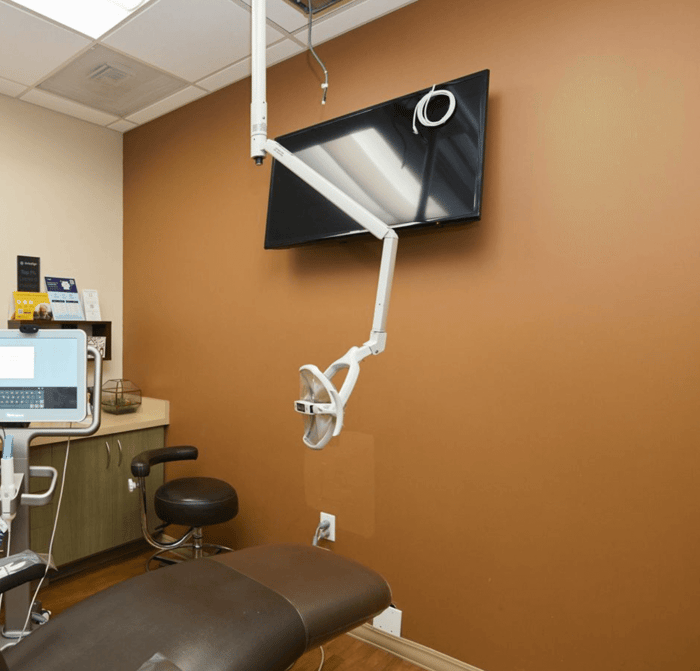
Visit the office to judge the vibe. A child-focused clinic will have a friendly reception, visible child safety and hygiene practices, and treatment rooms sized for kids. Staff should speak calmly, explain steps in simple words, and use techniques that reduce fear.
Watch how they interact with your child during the orthodontic consultation. They should explain the plan plainly, show models or digital images, and let your child ask questions. If they offer distraction methods (TV, games, or gentle coaching) for younger kids, that helps appointments go smoothly.
Also check for practical comforts: short waiting times, clear parking, and kid-sized seating. These small details lower stress and make your child more likely to cooperate during orthodontic visits.
Guiding Your Child Toward a Confident, Healthy Smile
A children’s orthodontist provides specialized insight into how young teeth and jaws grow, helping you prevent bigger problems and support a strong, well-aligned smile for life.
At El Segundo Modern Dentistry & Orthodontics, we offer child-focused orthodontic care. Our approach combines gentle communication, advanced technology, and treatment plans tailored to fit growing smiles and busy families.
If you’re ready to explore orthodontic options for your child, scheduling a consultation is the best first step toward clarity, comfort, and long-term oral health.
Frequently Asked Questions
This section gives clear, local answers about when to get an orthodontic check, common warning signs, how to pick an El Segundo orthodontist, available appliance options, whether repeat treatment happens, and how to prepare for the first visit.
At what age should my child first visit an orthodontist?
The American Association of Orthodontists recommends an evaluation by age seven. At this age, some permanent teeth have come in, and early problems are easier to spot.
If your child has a noticeable bite issue or crowded teeth earlier, schedule a visit sooner. An orthodontist can decide if immediate treatment or simple monitoring is best.
What are the signs that my child might need orthodontic treatment?
Look for crowded or crooked teeth, teeth that don’t meet properly, or a jaw that shifts when your child bites. Extra gaps, difficulty chewing, or frequent mouth breathing also matter.
If front teeth stick out or a baby tooth is lost too early, talk to a dentist or orthodontist. These signs can indicate problems that are easier to fix when your child is still growing.
How do I choose the right orthodontist for my child in El Segundo?
Check credentials first: look for an orthodontist who is board-certified or a member of the AAO. Read local reviews and ask about experience treating kids and teens.
Visit the office to see how staff handle children and how clean and modern the clinic is. Ask about treatment timelines, total costs, and insurance or payment plans before you commit.
What types of braces are available for children and teens?
Traditional metal braces remain common and work well for most cases. Ceramic (tooth-colored) braces are less visible and suit image-conscious teens.
Clear aligners can work for some older teens with mild to moderate issues. The orthodontist will suggest the best option based on growth stage, severity, and your child’s ability to follow care rules.
Is it common for children to have braces more than once?
It is possible, but not typical, if treatment and retainers are managed correctly. Some children need a two-phase approach: early work to guide jaw growth, then full braces later.
Relapse can happen if retainers aren’t worn as directed or if growth changes occur. Ask about retention plans and long-term follow-up to lower the chance of repeat treatment.
How can I prepare my child for their first orthodontic visit?
Explain the visit simply: the orthodontist will look at teeth, take X-rays, and answer questions. Keep the tone calm and positive to reduce nerves.
Bring your child’s dental records if you have them, and write down any questions about timing, costs, or treatment options. Plan for a 30–60 minute appointment to hear the full evaluation and next steps.