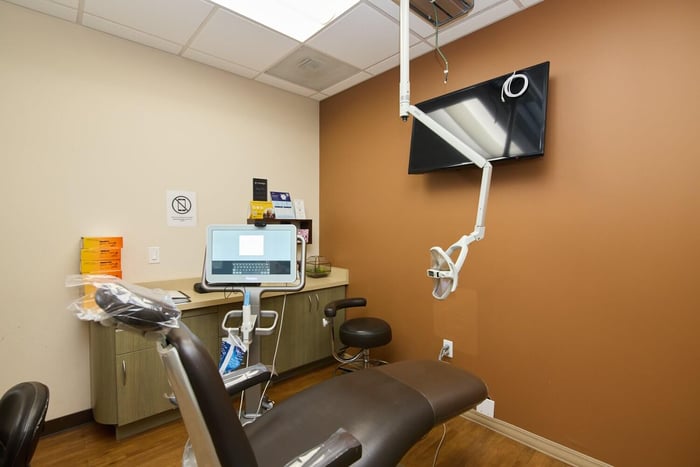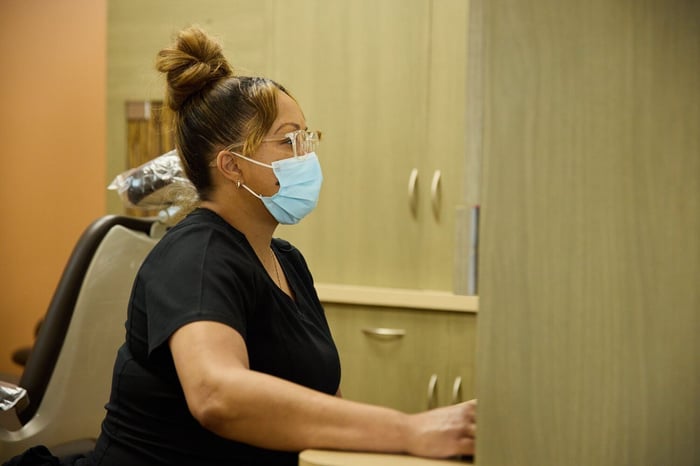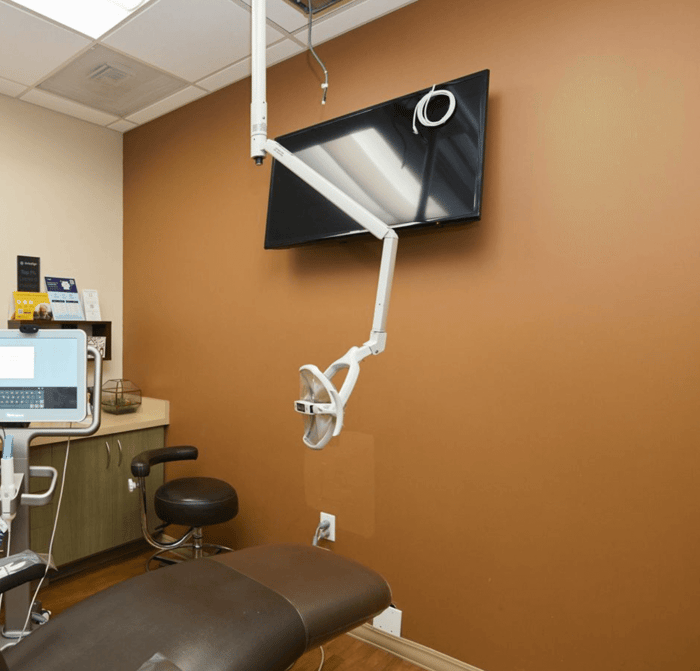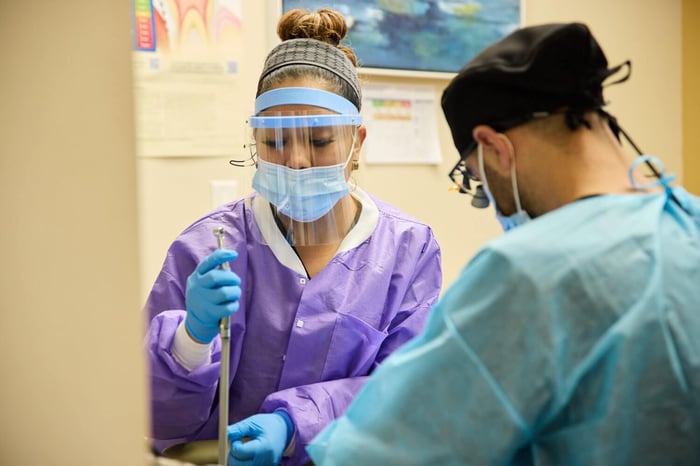
Getting a dental crown in El Segundo might seem like a big deal, but understanding the process really helps take the edge off. A dental crown is basically a cap for your tooth-it restores shape, strength, and function, keeping your smile both healthy and protected. At El Segundo Modern Dentistry & Orthodontics, they try to make the whole thing as smooth and comfortable as possible.
When you arrive, the team walks you through each step so you’re not left guessing. They use modern tools and a gentle approach to make treatment less intimidating. Whether you go with porcelain or metal, your crown should look natural and, with a little care, last for years.
Understanding Dental Crowns
Dental crowns are small caps that fit over teeth to protect and restore them. They bring back the tooth’s shape, strength, and function. You’ll get the basics on what crowns are, what they’re made of, and why you might need one.
What Is a Dental Crown?
A dental crown is a cover that goes over a damaged or weak tooth. Think of it like a shield-it keeps your tooth from taking more hits and helps it look normal again. Crowns come in handy after injuries, decay, or when there’s a big filling.
To fit a crown, your dentist shapes the tooth a bit so the crown settles in nicely. Then they cement it in place. Once it’s on, it should feel like just another part of your mouth.
The team at El Segundo Modern Dentistry & Orthodontics sticks to gentle techniques to keep you comfortable.
Types of Dental Crowns
Crowns come in a few materials, each with its own perks:
Porcelain: Blends in with your teeth-great for the front.
Metal (gold or other metals): Super strong and durable, often used on back teeth.
Porcelain-fused-to-metal: A mix of strength and a more natural look.
Ceramic: Good for folks with metal allergies and looks pretty natural too.
Your dentist will help you choose based on which tooth needs help, how visible it is, and how tough you want your crown to be.
When a Crown Is Needed
Crowns step in when a tooth’s too far gone for a regular filling. You might need one if:
There’s a big cavity.
The tooth is cracked or worn down.
You’ve had a root canal and the tooth is now fragile.
You want to fix the tooth’s shape or color.
You have a dental implant that needs a tooth replacement.
Your dentist at El Segundo Modern Dentistry & Orthodontics will talk you through whether a crown’s the best option.
Consultation and Preparation Process
Before you get a dental crown, there are a few steps to make sure your tooth’s ready and the crown will fit right. Modern tools help make this prep work quick and comfortable.
Initial Examination in El Segundo
Your first visit starts with a thorough exam. The dentist checks your tooth for decay or damage, sometimes using x-rays to see what’s going on under the surface.
This is a good time to ask questions and get a clear idea of what to expect. The team explains how the crown will help and plans the next steps so you can move forward confidently.
Digital Scans and Impressions
After the exam, they’ll need a record of your tooth’s shape. Forget the old gooey molds-most offices use digital scans now. It’s fast, clean, and very accurate.
Using a small handheld scanner, the dentist captures a 3D image of your tooth and the area around it. This helps make a crown that fits your bite just right. It’s comfy and usually speeds up the process.
Tooth Preparation Steps
Before the crown goes on, your tooth needs to be shaped. The dentist gently trims away a thin layer from the surface-enough room for the crown to fit without feeling bulky.
If there’s decay, they’ll clean it out. Sometimes, they’ll build up the tooth a bit if it needs more support. Afterward, you’ll get a temporary crown to protect the tooth while your permanent one is being made.
They really try to keep you comfortable, using modern tools to make things as smooth as possible.
Fitting and Placement Experience
Getting a dental crown is a careful process. The goal? A crown that fits, feels good, and does its job. You’ll go through both temporary and final placement, with your comfort and clear communication the whole way.
Temporary Crowns Explained
While you wait for your permanent crown, a temporary crown (usually plastic) covers your damaged tooth. It lets you eat and talk pretty normally and keeps the area clean.
Temporary crowns aren’t as tough as the real thing, so avoid really hard or sticky foods. If it feels loose or uncomfortable, let the dentist know sooner rather than later.
The staff will show you how to care for your temporary until the final crown is ready.
Crown Placement Procedure
When your permanent crown’s done, you’ll come back to have it fitted. The dentist checks the crown’s size, shape, and color to match your teeth.
They’ll numb the area so you don’t feel pain. Off comes the temporary crown, and the permanent one goes on. You’ll bite down gently so they can check the fit.
If everything looks and feels right, the dentist cements the crown in place. They’ll check your bite again to make sure it’s comfortable. The whole thing usually takes about an hour.
What to Expect During Your Visit
On crown day, the team walks you through each step. Thanks to modern tools, things are gentler than you might expect.
The dentist will answer your questions and explain what’s happening. You might feel some pressure, but the numbing means no pain. Afterward, your tooth might be a little sensitive for a day or two-pretty normal.
They do their best to make your visit easy and welcoming.
Aftercare and Recovery Tips
After you get your crown, take care of your mouth to help things heal and avoid problems. You might feel some soreness or sensitivity, and what you eat matters, too. Good care helps your crown last and keeps your smile looking good.
Managing Discomfort
Some soreness or sensitivity is pretty normal after a crown. You might notice it when you bite or chew, but it usually fades in a few days. Ibuprofen or another over-the-counter pain reliever can help.
Try to avoid really hot or cold foods until things settle down. If your bite feels off or you have pain that doesn’t go away, give your dentist a call. For the first few days, stick to softer foods.
If discomfort sticks around for more than a week, or if it gets worse, reach out to El Segundo Modern Dentistry & Orthodontics so they can check things out.
Diet and Oral Care Recommendations
Right after your crown is placed, go for softer foods-think yogurt, mashed potatoes, soup. Skip sticky or crunchy stuff that could mess with your crown.
Keep brushing twice a day and floss gently around the crown to keep bacteria away. A soft-bristled brush and non-abrasive toothpaste are best.
If you grind your teeth at night, ask about a nightguard. Protecting your crown helps it last. And don’t forget regular checkups-they help keep everything in good shape.
Choosing a Dental Provider in El Segundo
Picking the right dentist isn’t just about skill-it’s about how you feel in the office, too. Comfort, clear communication, and up-to-date care make a big difference. Knowing what to look for helps you find a place that fits your needs and puts your health first.
Selecting a Qualified Dentist
You want someone with experience in dental crowns and restorative work. Look for a dentist who explains things clearly and doesn’t rush your questions. At El Segundo Modern Dentistry & Orthodontics, dentists like Dr. Omid and Dr. Hamid focus on gentle care and making sure you always know what’s next.
Check their license and read reviews from local patients. Experience with different crown materials is a plus-they can help you choose what’s best for your situation. A good dentist will work to prevent discomfort during and after your procedure and help you keep your teeth healthy for the long haul.
Considering Technology and Patient Comfort
Modern tech makes crown treatments easier and more accurate. Digital X-rays and 3D scans mean your crown should fit well the first time, with fewer extra visits.
Ask about comfort options like sedation or gentle techniques, too. El Segundo Modern Dentistry & Orthodontics uses advanced tools to help you relax. A clean, welcoming office and a friendly team can really help with dental nerves. Your comfort matters from start to finish.
Frequently Asked Questions
Getting a dental crown involves a few steps, some prep, and knowing what to expect before and after. Here are some common questions people have.
What should I expect during the dental crown procedure?
The dentist will numb your tooth so you’re comfortable, then shape it for the crown. They’ll take digital scans or impressions, and usually put on a temporary crown while the permanent one’s made.
Depending on the office and technology, it could take one or two visits. At El Segundo Modern Dentistry & Orthodontics, they try to make it quick and low-stress.
How should I prepare for my dental crown appointment?
If you’re getting sedation or numbing, don’t eat beforehand. Bring any dental records or X-rays if you’re new to the practice.
It’s smart to ask about payment options ahead of time, too. The more you know, the calmer you’ll feel.
What are the steps involved in getting a dental crown?
First, the dentist cleans and reshapes your tooth. Next, they take impressions or digital scans. You’ll wear a temporary crown until the real one’s ready. Once the permanent crown fits right, it’s cemented on.
The dentist checks your bite and makes any tweaks so it feels natural.
Can you explain what a dental crown is and its purpose?
A dental crown is a cap that fits over a damaged or weak tooth. It protects, restores shape and function, and improves the look. Crowns last longer than fillings and are less invasive than pulling the tooth.
Porcelain crowns are popular for their natural look.
How long can I anticipate my new dental crown to last?
Crowns usually last 5 to 15 years, sometimes longer with good care. Avoid chewing really hard foods and keep up with brushing and flossing.
Regular checkups help keep your crown-and the rest of your teeth-in good shape.
Are there any risks associated with getting a dental crown?
You might notice some sensitivity or a bit of discomfort after getting a crown-honestly, that’s pretty normal and it tends to fade in a few days. Occasionally, a crown can loosen up, or your gums might get a little irritated. On rare occasions, if decay sneaks in under the crown, you could need more treatment.
Your dentist will usually walk you through how to lower these risks and keep your crown in good shape.