If you are wondering whether your baby or toddler is old enough to see a dentist, many parents are asking the same question. It is easy to assume dental care can wait until a child has a full set of teeth, but starting early makes a real difference for your child’s long-term oral health.
The short answer is simple: your child should have their first dental visit by age 1, or within six months of their first tooth appearing, whichever comes first. This gives your child’s smile a healthier start and gives you practical guidance before problems develop.
This article walks you through when to go, what to expect at that first appointment, how to prepare your little one, and what to look for in a family dental office.
Key Takeaways
The first dental visit should happen by age 1 or within six months of your child’s first tooth.
Early visits help prevent cavities and establish healthy habits before problems develop.
A calm, well-chosen dental office can shape how your child feels about dental care.
The Right Time To Schedule the First Checkup
Why Age 1 or Within 6 Months of the First Tooth Matters
Most babies get their first tooth between 6 and 12 months of age. According to the American Academy of Pediatric Dentistry (AAPD), the first dental exam is recommended when the first tooth appears and no later than 12 months.
Many parents delay this visit because baby teeth eventually fall out. That is understandable, but baby teeth still matter. They hold space for adult teeth, support speech development, and help your child chew comfortably.
If decay starts early, it can progress and make eating, sleeping, or brushing uncomfortable. A first visit gives your child’s dental team a chance to catch concerns early and help you prevent avoidable problems.
Why Baby Teeth Need Care Earlier Than Many Parents Expect
As soon as a tooth appears, it can develop decay. Bacteria in the mouth can begin affecting enamel right away, especially if feeding habits or home care are still taking shape.
A first dental visit at age 1 gives your child’s care team a chance to assess risk, coach you on brushing, and talk through daily routines. This is often more helpful than waiting until a concern appears.
The visit is also usually easier for your child when nothing hurts. A calm early appointment can make the dental office feel familiar instead of frightening later.
Signs a Child May Need To Be Seen Sooner
Some situations call for a visit before the standard one-year guideline. If you notice any of the following, schedule an appointment rather than waiting:
White or brown spots on your baby’s teeth
Swollen or bleeding gums
A tooth that has been chipped or knocked loose
Teeth that look pitted or discolored
Your child seems uncomfortable when eating or drinking
The dental emergency team can help when something unexpected comes up, even for very young patients.
How Early Visits Help Protect Long-Term Oral Health
Cavity Prevention Starts With Daily Habits and Early Guidance
Good home habits are the foundation of healthy children’s teeth. Still, knowing what to do at each stage is not always obvious, especially when your child has only one or two tiny teeth.
The National Institute of Dental and Craniofacial Research (NIDCR) notes that a dentist can check your child’s teeth, show you how to clean them, and talk through diet and fluoride. That kind of personalized coaching goes beyond a general online guide.
You can ask about how much fluoride toothpaste to use, when to introduce a toothbrush, and how to make brushing part of the day. Small habits started early can protect your child’s smile for years.
How Feeding and Soothing Habits Affect Baby Teeth
Feeding practices and pacifier habits can affect oral health and development. Falling asleep with a bottle of milk or juice can raise cavity risk because sugars sit around the teeth for longer periods.
Breastfeeding also requires good oral care once teeth appear. Breast milk alone is less concerning when paired with healthy cleaning habits, but every child’s routine is different.
Pacifier use and thumb-sucking can also affect tooth alignment over time. A dental visit gives you a calm, judgment-free place to ask what is normal and when a habit may need attention.
Building Comfort With Dental Care From the Start
Children who start dental care early are more likely to see it as normal. When the first visit is calm and gentle, your child begins to connect the dental chair with something safe and routine.
That early experience can shape how they feel about dental care for years. It is much easier to build comfort when the visit is preventive, not urgent.
A gentle first visit, even when nothing is wrong, gives your child a simple foundation: the dentist is someone who helps keep their teeth healthy.
What Happens During the Appointment
A Simple Step-By-Step Look at the Exam
Your child’s first dental appointment is usually short, gentle, and focused on gathering information. For very young children, the exam may happen with your child sitting in your lap so they feel secure.
Here is what you can generally expect:
Stage | What Happens |
|---|---|
Welcome and history | Staff reviews your child’s health history and feeding habits |
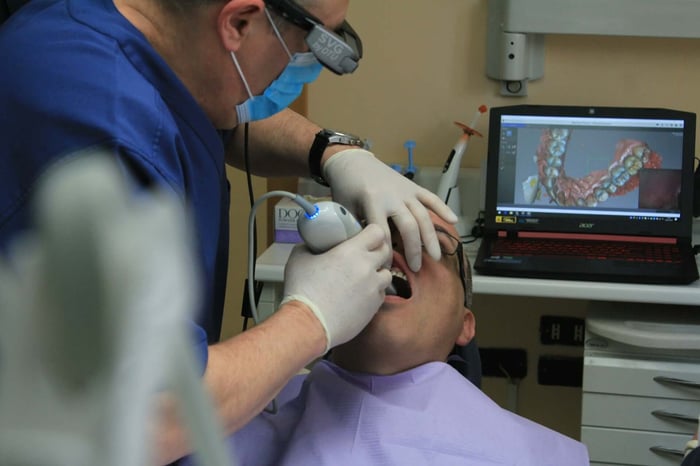
Oral exam | Dentist gently checks teeth, gums, jaw, and bite |
Cleaning | Light cleaning of tooth surfaces if appropriate |
Fluoride | Fluoride varnish may be applied to strengthen enamel |
Parent coaching | Tips on brushing technique, diet, and home care |
Q&A | Time for you to ask questions and get personalized guidance |
The whole visit often takes about 30 to 45 minutes. The goal is not to overwhelm your child. It is to make the experience calm, simple, and useful for you as a parent.
When Cleaning, Fluoride, or X-Rays May Be Recommended
Not every first visit includes X-rays. For most one-year-olds, X-rays are not needed unless the dentist sees something that needs a closer look.
As your child gets older, X-rays may become part of monitoring development and checking between teeth. Your dentist should explain why they are recommended before taking them.
Fluoride varnish is more common at young ages. It is a quick coating that helps strengthen enamel and reduce cavity risk. Your dentist can tell you whether it makes sense for your child.
Questions Parents Should Ask During the Visit
Your time with the dentist is valuable, so it helps to come prepared. Good questions can make you feel more confident once you are back home.
Consider asking:
Is my child’s tooth development on track?
Are there any early signs of decay or alignment concerns?
How much fluoride toothpaste should I use right now?
What foods and drinks should I limit or avoid?
How often should we come back?
Are there any habits we should start changing now?
The answers should feel practical and specific to your child. A good first visit should leave you with clear next steps, not more confusion.
How To Prepare a Baby or Toddler for a Positive Experience
What To Do Before You Arrive
Small steps before the appointment can make the visit smoother. The goal is to make the idea of the dentist feel familiar before your child walks through the door.
Try these approaches in the days leading up to the visit:
Practice opening wide in front of a mirror together.
Let your child hold their toothbrush and explore it.
Read a children’s book about going to the dentist.
Keep your own language about the visit calm and positive.
Avoid scheduling around nap time or when your child is hungry.
Arriving a few minutes early can also help your child settle into the new environment. Bring a favorite toy or comfort item if it helps your child feel at ease.
For more practical guidance, the first-visit tips page explains what to bring and what to expect when you arrive.
How To Talk About the Visit in a Calm Way
The words you use matter more than you might expect. Children pick up on parental anxiety quickly, so calm, simple language helps set the tone.
Avoid phrases like “it will not hurt” or “do not be scared.” Even when you mean to reassure them, those words can introduce the ideas of pain and fear.
Instead, try something simple and honest: “We are going to meet the dentist who looks at teeth and helps keep them healthy.” If your child asks what will happen, describe the chair, the light, and the friendly people who will be there.
What Parents Can Do To Help During the Exam
Your presence is one of the best tools for keeping your child calm. Many offices welcome parents to stay in the room, especially during a baby or toddler’s first visit.
If your child gets fussy or cries, that is completely normal. A good dental team will not treat it as a failure or make you feel embarrassed.
Follow the team’s lead during the exam. They are used to working with young children and can guide you on how to support your child. Afterward, praise your child for coming, trying, or sitting with you, even if the visit was not perfect.
Choosing the Right Dental Home for Young Children
Family Dentist vs. Pediatric Dentist
Parents often wonder whether to see a pediatric dentist or a family dentist who treats all ages. Both can provide excellent care for young children, but there are differences worth knowing.
Pediatric dentists complete additional training after dental school with a focus on children’s development, behavior, and age-specific conditions. Family dentists treat patients of all ages and may also have strong experience with young children.
A family dental practice can be convenient because your whole household can receive care in one place. The most important factor is finding a team that is warm with young patients, patient with toddler behavior, and committed to making each visit feel safe.
What To Look For in a Child-Friendly Office
When you are evaluating a dental home for your child, look beyond the waiting room toys. The way the team speaks, explains, and responds to your child matters more.
A few things to look for:
Does the team speak calmly to your child, not just to you?
Are they willing to go at your child’s pace without rushing?
Does the office feel clean, organized, and welcoming?
Are flexible appointments available when life gets unpredictable?
Does the team explain what they are doing before they do it?
You can learn more about children’s dental services and how a caring, patient-focused team approaches dental care for young patients.
Planning Follow-Up Visits and Ongoing Preventive Care
After the first visit, your dentist will recommend how often your child should return. For most young children, that is every six months. Some children with higher cavity risk may need more frequent visits.
Consistent follow-up visits do more than check for cavities. They reinforce good habits, let the team monitor tooth development, and keep your child comfortable with the routine.
A child who visits regularly is more likely to see dental care as a normal part of life. That familiarity can make future cleanings and exams much easier.
Frequently Asked Questions
What Is the Recommended Age for a Child’s First Dentist Appointment?
Most major dental and pediatric health organizations recommend scheduling a child’s first dental visit by age 1. The American Academy of Pediatric Dentistry recommends visiting within six months of the first tooth appearing, whichever comes first.
Should My Child See a Dentist When the First Tooth Appears, or Wait Until Later?
Scheduling around the first tooth is ideal. As soon as a tooth is present, it can develop decay. Early guidance on cleaning technique, fluoride, and diet can make a real difference.
Waiting until your child has more teeth can mean missing an important window for prevention.
How Can I Tell if My Toddler Needs a Dental Visit Sooner Than a Routine Checkup?
Look for white or brown spots on teeth, swelling or bleeding in the gums, visible tooth damage, or signs that your child is uncomfortable when eating.
Any of these signs deserve an earlier visit rather than waiting for a routine checkup.
What Happens During a Child’s First Dental Appointment, and How Long Does It Take?
The dentist will gently examine your child’s teeth, gums, jaw, and bite. Fluoride varnish may be applied to protect developing enamel.
The team will also coach you on brushing, diet, and home care. Most first visits take between 30 and 45 minutes.
How Can I Prepare My Child for a Calm First Dental Visit?
Keep your language positive and simple. Practice opening wide at home, read a book about visiting the dentist, and bring a favorite comfort item.
Try not to schedule during nap time or when your child is tired or hungry. A calm setup makes the visit easier for everyone.
How Often Should My Child Visit the Dentist After the First Appointment?
Most children should return every six months for routine checkups and cleanings. Children with a higher cavity risk may need more frequent visits.
Your dental team will give you a personalized recommendation based on your child’s needs.
Starting Early Makes Everything Easier
The question of when a child should have their first dental visit has a clear answer: sooner than many parents expect. By age 1 or within six months of that first tiny tooth, your child can begin building a healthy relationship with dental care.
Early visits are not about finding problems. They are about preventing them, building trust, and giving you practical guidance for home care. The habits and comfort levels formed in these early years can stay with your child for a long time.
El Segundo Modern Dentistry & Orthodontics welcomes families who want gentle, patient-focused care for their children. You can schedule your child’s first appointment or ask questions before you come in. Your child’s comfort always comes first.