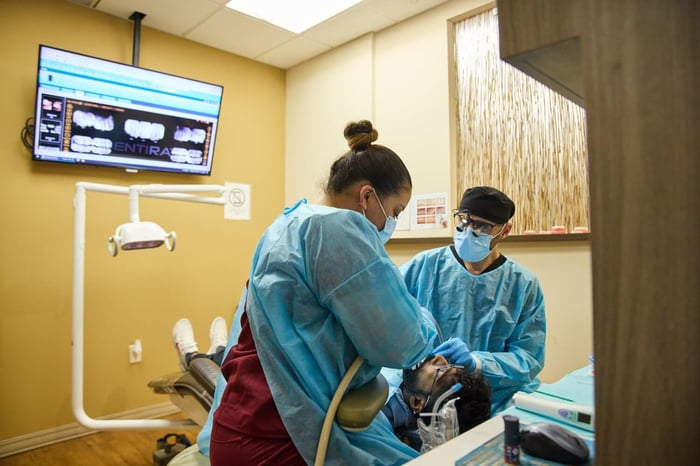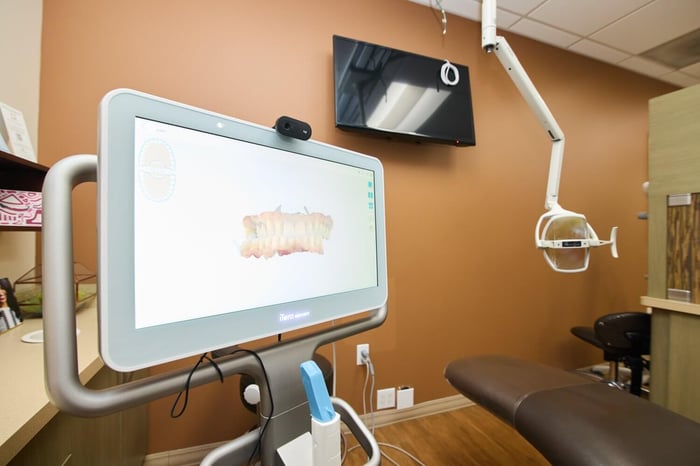
Dental problems that appear suddenly or cause significant discomfort should never be ignored. Issues like severe pain, swelling, or bleeding can worsen quickly and may affect your long-term oral health if left untreated. Knowing the signs of a true dental emergency helps you act fast and stay safe.
At El Segundo Modern Dentistry & Orthodontics, we understand how stressful urgent dental situations can feel. Our team is committed to providing calm, clear, and compassionate care so you know exactly what to do next. When emergencies happen, supportive guidance can make all the difference.
In this guide, you’ll learn which symptoms require same-day attention, why quick action matters, and what steps you can take until you reach your dental team. This information helps you stay protected, informed, and confident during unexpected oral health concerns.
Common Dental Emergencies
Certain dental problems need quick care to avoid more pain or damage. Recognizing the signs helps you get help fast. Severe pain, a lost tooth, or broken teeth can cause serious issues if left untreated.
Severe Toothache
A severe toothache can signal an infection or a deep cavity. If your tooth hurts nonstop or the pain gets worse when you chew or touch it, see a dentist right away.
To manage pain before your appointment, rinse your mouth with warm water and avoid very hot, cold, or sweet foods. Over-the-counter pain medicine can help, but a professional check is important to stop the problem from getting worse.
How Infections Can Make Pain Intensify Quickly
A persistent toothache often worsens because bacteria reach deeper layers of the tooth. According to the American Dental Association, untreated decay can spread into the pulp and surrounding tissues, creating pressure and severe discomfort. When infection progresses, swelling and sensitivity usually increase.
Quick treatment at the first sign of severe pain can stop infection before it spreads. Acting early helps prevent abscesses and protects nearby bone. Understanding how fast infections develop encourages timely care and long-term oral health.
Knocked-Out Tooth
If a tooth gets knocked out, act quickly to save it. Find the tooth and handle it by the crown, not the root. If it’s dirty, gently rinse with water without scrubbing.
Try to put the tooth back in the socket and hold it in place. If you can’t, keep it in a container with milk or your saliva to keep it moist. Get to the dentist immediately, as treatment is most successful within an hour.
Chipped or Broken Teeth
A chipped or broken tooth can hurt and cause problems if not treated quickly. If a piece breaks off, save it to bring to your dentist. Rinse your mouth with warm water and use a cold compress to reduce swelling.
Avoid chewing hard foods and don’t try to fix the tooth yourself. Your dentist can repair the tooth using fillings, crowns, or bonding, depending on the size and location of the break. Timely care keeps your smile strong and avoids pain or infection.
Serious Mouth and Gum Symptoms
Sudden or serious changes in your mouth or gums deserve close attention. Certain symptoms can indicate infection or other issues that need fast care. Knowing what to look for helps you get treatment quickly.
Uncontrolled Bleeding
Bleeding gums after brushing or flossing is common, but bleeding that won’t stop is a warning sign. If your gums bleed heavily for more than 15 minutes, or if bleeding happens without any clear cause, see a dentist right away.
Uncontrolled bleeding might signal an infection, injury, or advanced gum disease like periodontitis. It can also relate to health conditions that need attention. Treatment may include cleanings, infection control, or simple steps to stop bleeding.
Swelling in the Mouth or Face
Swelling around your gums, lips, or face that appears suddenly or grows quickly signals a need for urgent dental care. Swelling often means there is an infection that could spread if left untreated.
Swelling can come with pain, redness, or fever. If you have these symptoms, call your dentist urgently. Early care can prevent more serious problems.
Persistent or Sudden Gum Pain
Pain that doesn’t go away, or comes on very fast, can mean your gums or teeth are in trouble. This pain might be caused by gum disease, an abscess, or an injury.
Never ignore gum pain that lasts more than a day or two. Early care protects your smile and helps you avoid bigger issues.
Infections and Warning Signs
Infections in your mouth can get serious fast. If you notice pus, have a high fever with pain, or feel trouble swallowing or breathing, these are clear signs you need to see a dentist right away.
Abscess or Pus Formation
An abscess is a painful pocket of pus caused by an infection. You might see a swollen, red bump on your gums or near a tooth. The area could feel tender or throbbing.
This means bacteria are trapped, and your body is fighting the infection. Left untreated, the infection can spread and cause more damage. You may also notice bad taste or smell, or swelling in your face.
If you see any pus or feel a painful lump, don’t wait. Call your dentist immediately.
High Fever with Oral Pain
A high fever combined with tooth or gum pain signals a deep infection. Fevers over 101°F (38.3°C) with worsening pain need urgent attention. This shows your body is reacting to infection, possibly spreading beyond your mouth.
You may feel tired, weak, or have swollen lymph nodes in your neck. Don’t try to manage this with just home remedies. Visit your dentist so they can find the infection’s source and provide relief.
Difficulty Swallowing or Breathing
If you experience trouble swallowing or breathing, this is a medical emergency connected to an oral infection. Swelling from infection can block your airway, which is dangerous.
Signs include tightness in your throat, pain when swallowing, or feeling like your airway is closing. You might also have swelling under your jaw or in your neck.
Get immediate help by calling your dentist or emergency services. Don’t delay, as this can become life-threatening.
Unexpected Changes in Oral Health
Sometimes your mouth shows signs that something needs quick attention. Changes like sudden tooth sensitivity or a constant bad taste can mean infections or other dental problems. Paying attention to these signs protects your teeth and gums.
Sudden Tooth Sensitivity
If you suddenly feel sharp pain or discomfort when eating or drinking hot, cold, sweet, or acidic foods, this could signal a problem. Tooth sensitivity often happens because of worn enamel, gum recession, or tooth decay. It can also be a sign of a cracked tooth or an infection under the tooth.
Ignoring tooth sensitivity can lead to more pain and damage. Try to avoid very hot or cold foods until you see your dentist. The dentist can find the cause of your sensitivity and offer gentle treatment to ease your pain.
Persistent Bad Taste or Smell
A bad taste or smell in your mouth that won’t go away could mean gum disease or an infection. It might also happen if you have dry mouth or a buildup of bacteria. Persistent bad taste or odor often comes with redness, swelling, or bleeding gums.
If you notice this problem, get a dental checkup quickly. Treatments focus on clearing the infection and improving your oral health. Dentists use modern tools and clear explanations to help you understand the next steps and feel comfortable during care.
When Fast Dental Care Makes a Difference
Quick action can stop small dental problems from turning into bigger ones. Getting help right away can save your teeth and protect your overall health.
Preventing Permanent Damage
Seeing a dentist quickly after an injury or sudden pain can save your teeth from permanent harm. For example, a knocked-out tooth might be saved if treated within an hour. Delays can lead to infections or even tooth loss.
Pain that lasts or increases signals you to act fast. Conditions like infections or deep cavities can cause lasting damage if ignored. Early treatment keeps your teeth and gums healthy and prevents more complex procedures later.
Protecting Overall Well-Being
Your mouth plays a key role in your body’s overall health. Untreated dental emergencies, like infections, can spread and affect other parts of your body. Infections can sometimes cause fever, swelling, or more serious health issues.
Addressing dental issues quickly helps avoid these risks. It also reduces pain and discomfort, letting you get back to your normal life sooner. Emergency care includes stopping bleeding, fixing broken teeth, and managing infections before they become serious.
Your comfort and safety are priorities when you reach out for fast dental care. Early attention protects both your smile and your general health.
Acting Quickly to Protect Your Comfort and Smile
Recognizing urgent dental symptoms empowers you to take the right steps before problems worsen. Sudden pain, swelling, bleeding, or signs of infection should never be ignored. With fast attention, many issues can be treated comfortably and effectively.
At El Segundo Modern Dentistry & Orthodontics, we prioritize your safety and peace of mind during unexpected dental concerns. Our team works with clarity and compassion to guide you through urgent situations and provide gentle care when you need it most.
If you ever feel unsure whether a symptom is serious, reaching out for guidance is always the best choice. Quick action protects your oral health, keeps you comfortable, and helps preserve your natural smile.
Frequently Asked Questions
Knowing the signs that need quick attention protects your smile and stops problems from getting worse. Learn what symptoms mean you should act fast to keep your mouth healthy.
What symptoms indicate an immediate need for dental treatment?
Severe tooth pain that won’t go away and swelling in your face or gums are signs to see a dentist right away. Trouble opening your mouth or a bad taste that won’t go away also need prompt care.
How do I know if my toothache is a dental emergency?
If your toothache is sudden, very painful, or keeps you from eating or sleeping, it could be an emergency. Pain with swelling or fever means infection, and you should call your dentist without waiting.
Can bleeding gums be a sign of a serious dental issue?
Yes, bleeding gums can mean early gum disease, especially if it happens often. If your gums bleed when you floss or brush and don’t stop, get checked before it gets worse.
What are the red flags for infections in my mouth?
Watch for swelling, pus, a bad smell, or pain around a tooth or gum. Fever and feeling unwell can mean the infection is spreading. Seek dental care immediately if you notice these symptoms.
When should I seek emergency care for a broken or chipped tooth?
If a tooth breaks or chips and causes pain, bleeding, or cuts inside your mouth, see a dentist right away. Save any broken pieces and bring them with you if possible.
What signs suggest that I might need urgent root canal therapy?
Sharp pain when biting or lingering sensitivity after eating hot or cold food could indicate nerve damage inside the tooth. If your pain gets worse or you notice swelling, urgent root canal treatment might be necessary.
For help with any urgent dental issues, a skilled dental team can provide gentle, patient-focused care. They use modern tools to make treatment easier and faster, always prioritizing your comfort.