If your teeth are just a bit out of line, you’ve got more options than you might think. Orthodontic choices for mild to moderate concerns can help you get a better smile-without a ton of hassle or pain. Treatments for smaller adjustments are more comfortable and straightforward than ever. You don’t have to dread the process.
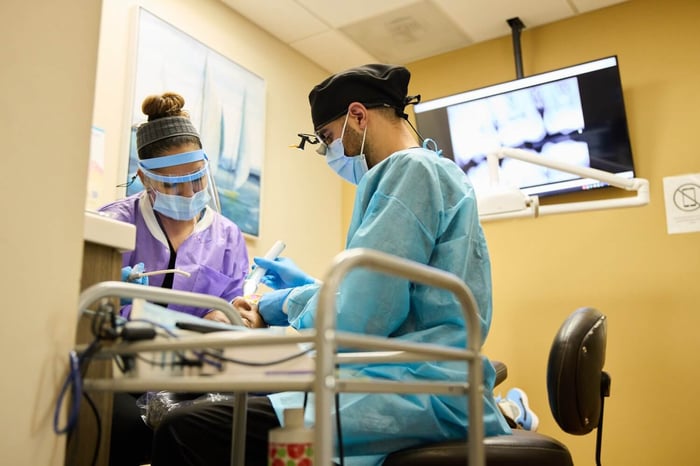
At El Segundo Modern Dentistry & Orthodontics, the team focuses on gentle, patient-centered care. Whether you’re leaning toward clear aligners or sticking with traditional braces, they use up-to-date tools and techniques to make things as smooth as possible.
Knowing what’s available puts you in control of your dental health decisions. Let’s walk through the most common treatments for mild to moderate alignment issues, so you know what to expect and how each could help.
Understanding Mild to Moderate Alignment Concerns
Mild to moderate alignment issues can mess with your bite or smile, even if they don’t cause much pain. These problems have different causes and show up in specific ways. Spotting them early means you can get care and check out your options before things get worse.
What Qualifies as Mild to Moderate Malocclusion
If your teeth are a little crooked, crowded, or spaced out-but nothing too dramatic-you’re probably in the mild to moderate category. Maybe your bite is just a bit off, or you notice a small gap or a tooth that’s rotated. Minor overbites and underbites fit here, too.
Usually, you won’t feel serious pain, but you might have trouble chewing, cleaning your teeth, or even speaking. Dentists look at how far your teeth have shifted from “ideal” positions to figure out what’s going on. At El Segundo Modern Dentistry & Orthodontics, these cases often respond well to simpler orthodontic solutions like clear aligners or partial braces.
Common Causes of Alignment Issues
Why do teeth go rogue? Genetics is a big one-if your parents had crooked teeth or bite problems, odds are you might, too. Losing baby teeth early can push other teeth out of place.
Habits like thumb sucking, tongue thrusting, or hanging onto a pacifier too long can also shift teeth. Accidents or injuries to your mouth or jaw might change your bite. Sometimes it’s just the way your jaw is shaped, leading to crowding or gaps. Understanding these causes can help you stay ahead of alignment problems.
Signs and Symptoms to Watch For
You might see crooked teeth, gaps, or teeth that overlap. Maybe your bite feels “off” when you chew, or you notice a slight lisp. Sometimes, certain teeth wear down faster because your bite isn’t balanced.
Cleaning crowded teeth can be a pain, which means more plaque and gum issues. You might feel some jaw tension or mild discomfort, even if it’s not super painful. If you spot these signs, it’s worth visiting El Segundo Modern Dentistry & Orthodontics to talk about gentle, clear solutions for a better smile.
Types of Orthodontic Solutions
If your teeth need a little nudge into place, you’ve got options. Each method moves your teeth in its own way, but comfort and lifestyle are always part of the equation.
Clear Aligners
Clear aligners are almost invisible trays that snap over your teeth. You can take them out to eat or brush, so daily life isn’t interrupted.
You’ll get a series of custom trays that you swap out every few weeks. No wires or brackets to poke your mouth-just smooth plastic. At El Segundo Modern Dentistry & Orthodontics, they use advanced tech to make sure your aligners fit well and work efficiently. If you want something discreet, this is a solid choice.
Traditional Braces
Traditional braces use metal brackets glued to your teeth, connected by wires. The wires are tightened at regular visits to gradually move your teeth. Braces can handle a wide range of alignment issues, even the tough ones.
They’re visible, sure, but they’re strong and reliable. If you want results you can count on and don’t mind showing your braces, this option works well.
Braces stay on until treatment’s done. You’ll need to follow some special cleaning routines, and your orthodontist will check your progress at each visit.
Ceramic Braces
Ceramic braces are basically traditional braces with a twist-they use clear or tooth-colored brackets, so they blend in more.
They’re just as strong and effective, but less noticeable. The brackets can be a bit bigger and may stain if you slack on cleaning. If you want something reliable but less obvious, ceramic braces are worth considering.
Lingual Braces
Lingual braces attach to the back of your teeth, so nobody sees them from the front. They work like regular braces but stay hidden.
If you want your teeth straightened without anyone knowing, lingual braces are a good pick. They can take some getting used to and might affect your speech at first. You’ll need to follow your orthodontist’s care instructions closely.
Solution | Appearance | Removable | Comfort | Best For |
Clear Aligners | Almost invisible | Yes | Smooth, gentle | Mild to moderate cases, discreet |
Traditional | Visible metal | No | Strong but fixed | All alignment levels |
Ceramic | Tooth-colored | No | Strong, less visible | Moderate cases, esthetic preference |
Lingual | Hidden behind teeth | No | Slight adjustment period | Invisible treatment, mild to moderate |
Your orthodontist will help you pick the best fit for your needs and lifestyle, making sure you feel comfortable with your choice.
Choosing the Best Treatment Option
So, how do you decide? It comes down to your goals, what the specialist sees during your exam, and how long you’re willing to commit. Knowing these details makes the choice easier.
Factors Influencing Treatment Selection
Your age, daily routine, and dental health matter when choosing. If you want something that doesn’t show, clear aligners might be your jam. If you care more about durability, metal or ceramic braces could be better.
The way your bite and jaw line up can guide your orthodontist’s recommendation. Some options are better for specific tooth movements. Comfort and how much effort you want to put in day-to-day also play a role.
At El Segundo Modern Dentistry & Orthodontics, they’ll walk you through how each choice fits your situation, so you can decide with confidence.
Consultation and Assessment Process
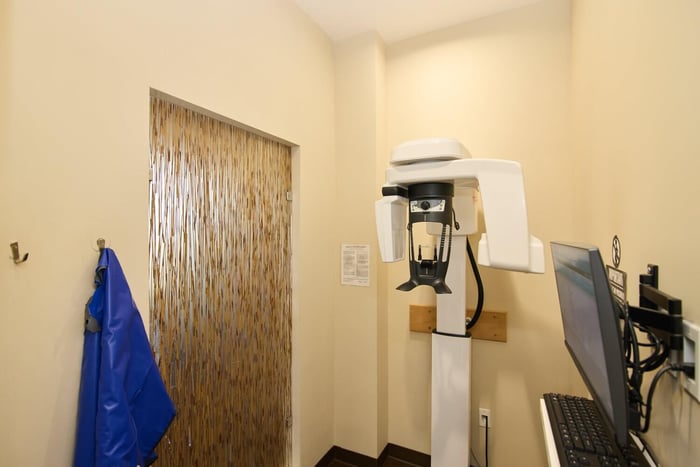
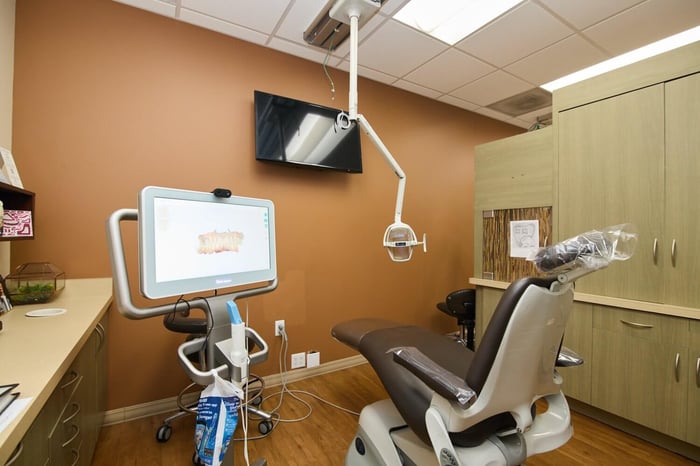
First, your orthodontist will check your teeth and jaws, maybe with X-rays, photos, or digital scans. This gives a clear picture of what’s happening and what needs to move.
You’ll talk about your goals and any concerns. The doctor will break down your options, sharing the pros and cons. They’ll also go over what to expect during visits and what you’ll need to do at home.
At El Segundo Modern Dentistry & Orthodontics, your questions and comfort are always top priority. This thorough review helps match you with the right treatment.
Expected Duration for Mild to Moderate Cases
Most mild to moderate treatments take about 6 to 18 months. If you stick to the plan, clear aligners can work a bit faster. Braces might take a little longer, especially for more complicated cases.
How well you care for your teeth and follow instructions can speed things up. Regular check-ins and good habits make a difference.
Your orthodontist will give you a timeline based on your case and keep you updated along the way.
Benefits of Early Intervention
Getting orthodontic care sooner rather than later can really pay off for your oral health and confidence. Tackling mild to moderate issues early often means easier treatment and better results. Why wait and risk bigger problems down the line?
Improved Oral Health
When you straighten your teeth early, cleaning gets way easier. Crowded teeth trap food and bacteria, raising your risk for cavities and gum disease. Straight teeth help you brush and floss more effectively.
Early treatment also keeps your teeth from wearing down unevenly. Misaligned teeth can wear faster in certain spots, leading to sensitivity or damage. Moving teeth into better positions protects them for the long haul.
At El Segundo Modern Dentistry & Orthodontics, they use gentle methods and modern tools to make early care as easy as possible.
Enhanced Confidence and Aesthetics
Fixing alignment issues sooner can give your confidence a real boost. When your teeth look good, you’ll probably feel better about smiling and talking-at work, with friends, wherever.
Early intervention usually means less time in treatment and fewer complications. Watching your smile improve can be pretty motivating.
Addressing small problems early keeps them from turning into bigger, more noticeable issues. It’s not just about looks-feeling good about your smile can make a difference in your everyday life.
Maintaining Alignment After Treatment
Once your teeth are in place, you want them to stay there. That means wearing retainers and keeping up with good oral care. It’s the only way to make sure your new smile lasts.
Importance of Retainers
Retainers keep your teeth from drifting back after braces or aligners. Teeth naturally want to move, especially right after treatment. Wearing your retainer as directed is crucial.
There are two main types:
Removable retainers: You pop these in and out for eating or brushing.
Fixed retainers: These are glued behind your teeth and stay put.
Your orthodontist at El Segundo Modern Dentistry & Orthodontics will help you pick the right type. Skip your retainer, and your teeth could start shifting again-nobody wants that.
Post-Treatment Care Tips
Take care of your retainers and your mouth. Clean your retainer daily with a soft toothbrush and cool water-never hot, or you’ll warp it. When you’re not wearing it, keep it in a safe spot.
Stick with regular dental visits to check your teeth and make sure your retainer still fits. If it feels weird-too tight or too loose-call your provider for an adjustment. Avoid hard or sticky foods that could mess with your teeth or retainer.
The team at El Segundo Modern Dentistry & Orthodontics stays with you every step, making sure your smile stays healthy and straight. They know your comfort matters, even after the main treatment is over.
Frequently Asked Questions
Here’s a quick dive into clear aligners, at-home kits, costs, braces vs. aligners, midline correction, and how soon you might see changes.
What are the most effective clear aligners on the market?
Most folks agree Invisalign® is one of the top choices for mild to moderate alignment issues. It uses advanced 3D scanning and custom trays to move teeth gradually and precisely.
Other brands exist, but Invisalign’s® tech and support often make it the go-to for comfort and results.
How do at-home teeth straightening kits compare to professional treatments?
At-home kits are cheaper and more convenient, but you don’t get the same thorough assessment or regular check-ins.
Professional care-like what you get at El Segundo Modern Dentistry & Orthodontics-means safer, more customized treatment and adjustments as you go.
What's the average cost of Invisalign® for correcting mild to moderate teeth misalignment?
For mild to moderate cases, Invisalign® usually runs between $3,000 and $5,000.
The price depends on your needs and how long treatment takes. There are often financing options to help with costs.
Can braces provide a solution for minor misalignment faster than clear aligners?
Sometimes, braces work a bit faster for minor tweaks-but it really depends on your case.
Clear aligners are more discreet and comfortable, which is why a lot of people choose them, even if treatment takes a little longer.
Are there options for correcting a misaligned midline without surgery?
Yes, plenty! Braces or clear aligners can often fix a midline that’s off-center.
Your orthodontist at El Segundo Modern Dentistry & Orthodontics will check your situation and suggest the best non-surgical option for you.
How long does it typically take to see results from teeth aligners?
Most folks start noticing small changes after just a few weeks, though the whole process usually takes anywhere from 6 to 18 months.
If you stick with wearing your aligners like your dentist tells you, you'll have a much better shot at seeing progress.