Sudden or persistent tooth pain can be an early sign that the inner tissues of your tooth are struggling to stay healthy. When symptoms begin to linger or intensify, recognizing these early indicators helps you prevent deeper infection and avoid more complex treatment later on.
At El Segundo Modern Dentistry & Orthodontics, we assess your symptoms carefully to stop the issue from progressing. Our team focuses on stabilizing your oral health with treatments designed to stop pain at its origin.
In this guide, you’ll learn the most common early signs of nerve involvement, how root canal therapy helps relieve pain, and when to seek an evaluation so you can maintain strong, dependable dental function.
What Is Root Canal Therapy?
Root canal therapy saves a tooth that is badly damaged or infected. It stops pain and prevents the need to remove the tooth. The treatment focuses on cleaning out the inside of the tooth and protecting it from further damage.
This section will explain how root canal therapy works, why it’s needed, and how it is different from other dental procedures.
Purpose of Root Canal Treatment
Root canal therapy treats infection or damage inside the tooth’s pulp, which is the soft tissue containing nerves and blood vessels. Bacteria entering through a crack, cavity, or broken filling can cause pain and swelling.
The dentist removes the infected pulp, cleans the inside of the tooth, and seals it to keep bacteria out. This helps you keep your natural tooth instead of needing an extraction. Saving your tooth keeps your bite strong and helps you chew comfortably.
How Root Canal Therapy Works
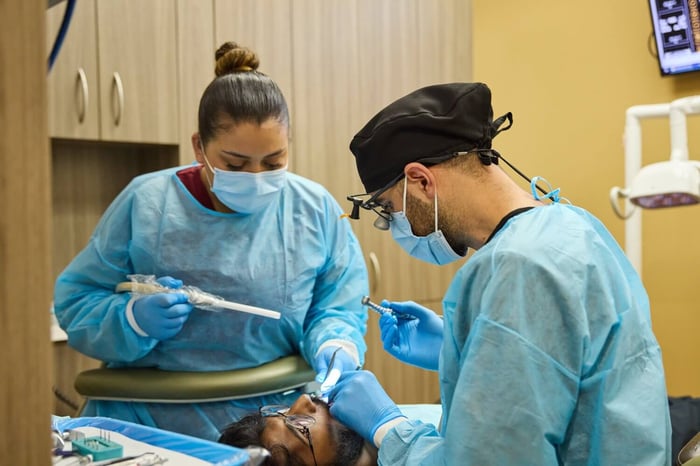
The dentist starts by numbing your tooth and the nearby area with a local anesthetic. They drill a small opening to reach the pulp chamber and carefully remove the infected or damaged pulp tissue using special tools.
Next, the dentist cleans and shapes the inside of your tooth to prepare for sealing. They fill the space with a rubber-like material called gutta-percha to stop infection. Finally, they place a temporary or permanent crown to protect the tooth and restore its function.
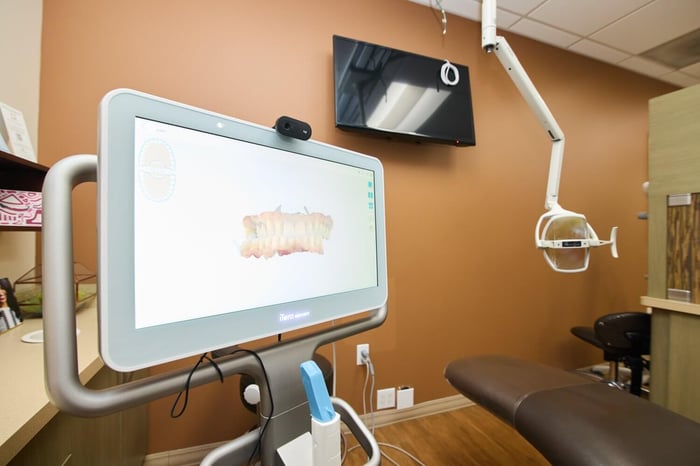
Modern tools make this process more precise and less stressful, keeping your comfort a priority.
Differences From Other Dental Procedures
Root canal therapy is different from treatments like fillings or crowns because it goes deep inside the tooth to treat infection. Fillings only repair cavities on the outer layers, and crowns cover and protect the surface, but do not treat infection inside.
Unlike an extraction, which removes the entire tooth, root canal therapy saves your natural tooth. Preserving your tooth helps avoid shifting teeth or changes in your bite, which can happen after removal.
This treatment heals and protects your tooth’s core structures, providing long-term health benefits.
Common Early Indicators of Root Canal Needs
You might notice specific changes or discomfort in your tooth that suggest it could need root canal therapy. Paying attention to these signs can help you seek care before problems get worse.
Persistent Tooth Pain
If you have lasting tooth pain that sticks around even when you’re not eating, this can be a key sign. The pain might get worse when biting or chewing. It doesn’t have to be sharp; it can be a dull or throbbing ache.
This type of pain usually means the inside of the tooth, called the pulp, is inflamed or infected. Without treatment, the infection can spread. If you experience this kind of persistent pain, it’s important to visit your dentist soon.
Sensitivity to Hot and Cold
Feeling a sharp sting or discomfort when your tooth touches hot or cold foods and drinks is common in early root canal needs. Unlike normal sensitivity, this pain lasts longer and can linger after the hot or cold stimulus is gone.
The nerves inside your tooth become irritated, causing this sensitivity. If the sensitivity keeps coming back or gets stronger, it’s a good signal that you should have your tooth checked for infection or damage that might need root canal therapy.
Why Lingering Sensitivity Signals Deeper Pulp Irritation
Sensitivity that lingers after exposure to temperature changes often indicates irritation reaching the tooth’s pulp, where nerves and blood vessels reside. According to the American Dental Association, extended sensitivity may reflect inflammation that cannot be resolved without professional care.
This symptom differs from routine sensitivity because the pulp reacts to pressure inside the tooth, which leads to pain that continues even after the hot or cold source is gone. Early evaluation helps confirm the cause and prevents infection from spreading into surrounding tissues.
If caught quickly, minimally invasive treatments may preserve more of your natural tooth structure and shorten recovery time.
Swollen or Tender Gums
Gums that are swollen, red, or tender near a particular tooth can point to an infection deep inside the tooth. You might also see a small bump or pimple on the gum, which can release pus.
This swelling happens because the infection in the tooth’s pulp spreads to the surrounding tissues. It can be uncomfortable and may affect nearby teeth, so don’t ignore it. Early treatment helps prevent more serious issues.
Darkening of the Tooth
If you notice your tooth is turning darker or grayish, this can mean the tooth’s nerve is damaged or dying. The color change happens inside the tooth and is often linked to trauma or infection.
A dark tooth doesn’t always hurt at first but still signals damage that could worsen without treatment. When combined with other signs like pain or swelling, this change is worth a visit for evaluation and possible root canal therapy.
Uncommon Symptoms Worth Noticing
Sometimes, root canals may be needed even if you don’t have the usual signs like sharp pain. Certain less obvious symptoms can also point to problems inside your tooth. Paying attention to these can help you get care sooner.
Recurring Pimples on the Gums
If you notice small, recurring pimples or bumps on your gums near a tooth, this could mean there’s an infection at the tooth’s root. These pimples, called fistulas, form when pus from an infected area tries to escape. They may come and go, but they usually signal the need for root canal treatment.
You might also feel mild discomfort in the area, or the gum might look swollen or red. These pimples are not regular pimples and won’t heal on their own without addressing the infection inside the tooth.
Lingering Bad Taste or Odor
A constant bad taste or smell in your mouth, even after brushing, can be a sign that a tooth infection is present. This odor comes from bacteria trapped inside the damaged tooth or gum.
The taste may be bitter, sour, or foul, and isn’t related to food or regular hygiene habits. If this smell lasts several days or weeks, it’s a sign to have a dentist check the tooth. Early root canal therapy can stop the infection and clear the odor.
When to Visit Your Dentist
Knowing when to see your dentist can help you catch problems early and avoid more serious pain. Pay attention to certain symptoms and don’t wait too long to get checked. Your visit will include an exam and a clear plan based on what your tooth needs.
Recognizing the Right Time
You should schedule a visit if you notice ongoing tooth pain, especially when biting or chewing. Sensitivity to hot or cold that lasts longer than usual can also signal a problem. Look out for swelling or tenderness near a tooth, which could mean infection.
If you see dark spots or chips on your tooth, or if it feels loose, don’t delay. These signs can mean decay has reached deeper layers, and a root canal might be necessary. Regular dental visits help catch these issues before they get worse.
What to Expect During Your Visit
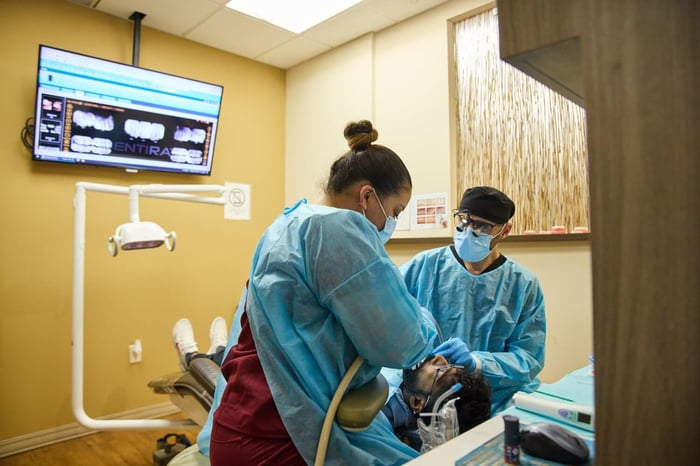
When you come in, the dentist will examine your tooth and may take X-rays. This helps find infection or damaged tissue inside the tooth. The process is gentle, and modern tools make it quick and comfortable.
The dentist explains what they see and your treatment options clearly. If a root canal is the best choice, they will talk you through the steps and sedation options to keep you calm. You’ll leave knowing exactly what comes next and how the treatment will help protect your smile.
Preventing Severe Dental Problems
Keeping your teeth and gums healthy helps you avoid serious issues like root canal therapy. Paying attention to daily care and regular dental visits can catch problems early before they get worse.
Oral Hygiene Tips
Good oral hygiene is your first line of defense. Brush your teeth twice a day for two minutes each time, using a fluoride toothpaste. Be sure to clean all surfaces, including your tongue and gums, to remove plaque and bacteria.
Floss daily to clear food and debris from between your teeth. This stops cavities and infections that can lead to deeper problems needing root canals. Avoid sugary snacks and drinks as they feed harmful bacteria.
Using an antibacterial mouthwash can also help reduce germs. If you notice bleeding or tender gums, these signs could mean gum disease is starting, so keep up a careful hygiene routine.
Routine Dental Checkups
Visiting your dentist regularly helps spot trouble early. Your dentist will check for cracks, cavities, or changes that might signal the need for a root canal.
Professional cleanings every six months remove plaque and tartar your toothbrush can’t reach. Early detection keeps treatment simple and prevents pain or infection later on.
If you feel tooth sensitivity or pain, especially when biting or with hot and cold foods, don’t wait. Scheduling exams promptly lets your dentist provide gentle, effective care and protect your smile.
Protecting Your Tooth Before Pain Becomes Severe
Early warning signs like lingering sensitivity, swelling, or changes in tooth color can signal irritation deep within the tooth. Paying attention to these shifts allows you to act before infection spreads, helping preserve your natural tooth structure.
At El Segundo Modern Dentistry & Orthodontics, we evaluate these symptoms with careful diagnostics and recommend treatment options that maintain long-term tooth stability. Our approach prioritizes preserving your natural teeth through precise and conservative care.
If you’re noticing early indicators of nerve involvement, schedule a visit to have your tooth evaluated and prevent the issue from progressing into painful infection.
Frequently Asked Questions
Knowing when a root canal might be needed helps you get care before pain gets worse. Pain during chewing, sensitivity to hot or cold, or swelling can all be signs. Understanding your symptoms can guide you to the right treatment and avoid bigger problems.
What are the early signs that I might require a root canal?
You may feel a strong, constant toothache, especially when chewing or applying pressure. Sensitivity to hot and cold temperatures that lasts after the stimulus is gone is common. Sometimes, you might notice swelling or tenderness in nearby gums.
What could be causing me to need a root canal?
Deep tooth decay or cavities can reach the nerve inside the tooth. Cracks or chips that expose the nerve also cause issues. Repeated dental procedures or trauma to a tooth can lead to infection or damage needing a root canal.
Can you tell if you need a root canal or an extraction from symptoms?
Pain and sensitivity can appear with both treatments as options. A root canal saves the tooth and is often chosen if the structure can be preserved. Extraction usually happens if the tooth is too damaged or loose to be repaired.
Are there any side effects associated with root canal treatment?
Some soreness or mild swelling may happen after the procedure, but it usually fades in a few days. You can expect relief from the pain that led you to treatment. The treated tooth may feel different, but it should remain strong with a crown or filling.
How can I distinguish between needing a filling or a root canal?
A filling is usually enough for small or moderate cavities without nerve involvement. If you have sharp or lingering pain or if the tooth hurts when you bite down, a root canal might be necessary. Your dentist can give a clear diagnosis.
Is it possible to prevent a root canal with proper dental care?
Yes. Brushing twice daily, flossing, and regular dental cleanings help prevent decay and infection. Early exams let your dentist catch problems before they reach the nerve. Healthy habits reduce the chance of needing a root canal and help keep your smile strong.