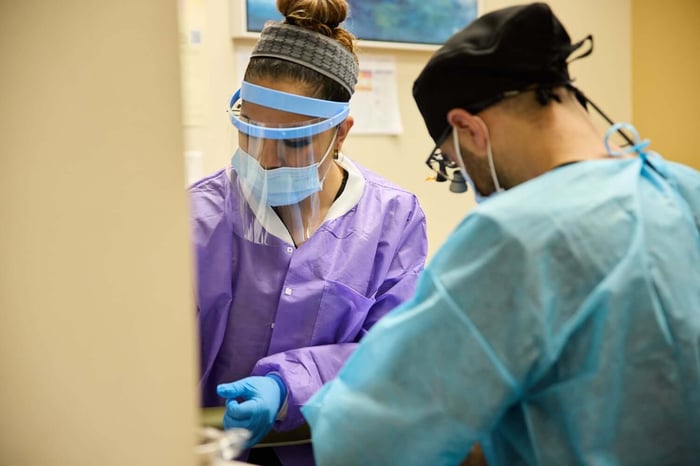
A new dental crown can restore both strength and comfort to your smile, but how you care for it plays a major role in how long it lasts. Daily habits like gentle brushing and careful flossing keep the crown clean and protect the natural tooth underneath from decay or irritation. With the right approach, your crown can stay strong for many years.
At El Segundo Modern Dentistry & Orthodontics, we focus on clear guidance and supportive care so you feel confident maintaining your crown at home. Our team helps you understand what to do each day and how to avoid habits that may weaken your restoration. This ensures your investment stays durable and comfortable.
In this guide, you’ll learn the essential steps for caring for a new crown, from proper brushing and flossing to diet choices and long-term maintenance. These tips help you protect your oral health and enjoy a stable, reliable crown for the future.
Proper Oral Hygiene for New Crowns
Keeping your new crown strong and healthy depends on your daily care routine. Good habits like brushing correctly, flossing gently around the crown, and using the right toothpaste and mouthwash protect your crown from damage and keep your gums healthy.
Daily Brushing Techniques
Brush your teeth at least twice a day using a soft-bristle toothbrush. Use gentle, circular motions to clean around your crown without applying too much pressure. Avoid hard scrubbing, which can wear down the crown or irritate your gums.
Focus on brushing at the gum line and the edges of the crown, where food and plaque can collect. Try using an electric toothbrush if you find it easier to control your brushing pressure. Select a toothbrush with soft bristles that can reach all sides of your crown for a thorough clean without damage.
Effective Flossing Around Crowns
Flossing removes plaque between teeth and around your crown. Use a floss threader or special crown flossing tools if needed, and slide the floss gently between your crown and the neighboring tooth.
Avoid snapping the floss down hard; instead, move it slowly up and down to clean without loosening the crown. If you have trouble flossing, use a water flosser to clear debris around your crown safely. Regular flossing helps prevent gum disease and decay under the crown, keeping your tooth and crown stable for years.
Choosing the Right Toothpaste and Mouthwash
Pick a non-abrasive toothpaste suitable for sensitive teeth. Harsh or whitening toothpastes can wear down the porcelain or metal parts of your crown. Look for toothpaste with fluoride to strengthen your natural teeth and protect the crown’s neighboring teeth from decay.
Use an alcohol-free mouthwash to avoid drying out your mouth. A healthy mouth environment supports long-lasting crowns and fresh breath. Ask your dentist for product recommendations designed for crowns and sensitive gums.
Diet Considerations for Long-Term Crown Strength
Keeping your crown strong means being careful with your diet. Avoid tough or sticky foods to protect your crown from damage, and eat balanced, nutritious meals to keep your teeth and crown healthy for years.
Foods to Avoid After Crown Placement
Right after getting your crown, stay away from very hard foods like ice, nuts, and hard candies, as these can crack or loosen your crown. Sticky foods such as caramel, taffy, or chewing gum can pull at your crown and cause it to shift.
Avoid very hot or cold drinks and foods at first, since extreme temperatures can cause sensitivity around the crown and may weaken the bond. Habits like chewing on pens or fingernails can also wear down your crown over time. Being gentle with your crown helps it last longer.
Healthy Eating Habits to Protect Crowns
Choose softer foods that still provide important nutrients. Fresh fruits like bananas and cooked vegetables support your overall oral health without stressing your crown. Drink plenty of water to wash away food particles and keep your mouth clean.
Avoid sugary snacks and drinks to prevent decay around the crown’s edges. Eating smaller bites and chewing carefully on the crown side can reduce pressure. If you grind your teeth, talk to your dentist about protective options like a night guard. These steps help protect your crown and keep your smile healthy.
Avoiding Common Habits That Weaken Crowns
Taking care of your crown means avoiding habits that can cause damage over time. Everyday actions, like grinding your teeth or biting hard objects, can weaken the crown and shorten its lifespan.
Preventing Teeth Grinding and Clenching
Grinding or clenching your teeth puts strong pressure on your crown. This force can cause cracks, loosen the crown, or wear it down. You might grind your teeth during sleep without realizing it.
Jaw soreness or headaches can signal grinding. Using a night guard protects your crown by cushioning the pressure. Your dentist can fit you with a custom guard. Manage stress, as it often triggers clenching, and avoid chewing gum or biting your nails to break the habit. Preventing grinding helps your crown stay strong longer.
Risks of Chewing Hard Objects
Chewing on hard items like ice, pens, or popcorn kernels can chip or crack your crown. These objects apply uneven pressure that the crown material cannot handle easily.
Choose soft or moderate foods to protect your dental work. Avoid biting into very hard foods directly with your crowned tooth. Use your back teeth if you need to crack something hard. If you play sports or engage in activities with risk of impact, use a mouthguard to shield your crown from sudden damage. Simple changes like these prevent costly repairs later.
Professional Care and Dental Maintenance
Keeping your crown strong means more than good brushing and flossing at home. You need to see your dentist regularly and watch for early signs of problems. These steps help catch issues before they become serious and keep your crown lasting longer.
Scheduling Regular Dental Check-Ups
Regular dental visits let your dentist check how your crown is doing. Your dentist will look for any wear or damage to the crown and make sure the surrounding teeth stay healthy.
Plan to have a check-up and cleaning at least every six months. If you have habits like grinding your teeth, your dentist might want to see you more often.
These visits include professional cleaning to remove plaque that can disrupt your crown or cause decay around it. Ask your dentist questions during visits, so you feel confident about your care. Staying on schedule helps protect your crown and overall oral health.
Recognizing Early Signs of Crown Issues
Pay close attention to your crown and mouth between visits. Early warning signs include:
Sensitivity or pain when biting or chewing
A rough feeling on the crown’s surface
Swelling or redness around the gum near the crown
A loose or moving crown
If you notice any of these, call your dentist right away. Catching problems early can prevent more complex treatment later and help keep your crown strong longer.
Addressing Sensitivity and Troubleshooting Problems
It’s common to experience some changes with a new crown. You might feel sensitivity or notice issues like looseness. Knowing how to handle these can keep your crown strong and comfortable.
Managing Sensitivity After Getting a New Crown
Sensitivity after getting a crown is normal for a few days. You may feel discomfort when eating hot, cold, or sweet foods, but this usually lessens as your tooth adjusts.
Use a soft-bristled toothbrush and avoid very hard or sticky foods at first. Over-the-counter pain relievers can help if sensitivity bothers you. If pain lasts more than two weeks or gets worse, call your dentist.
Gentle daily flossing keeps your gums healthy without causing irritation. Using an antiseptic mouthwash can also reduce sensitivity by protecting the tissue around the crown.
When Sensitivity Signals Something More Serious
Some sensitivity is normal after receiving a crown, but persistent or sharp pain can suggest underlying problems. The Mayo Clinic explains that lingering sensitivity may indicate decay near the crown’s edge or issues with the bite.
If discomfort lasts longer than two weeks, an exam helps identify whether the crown needs adjustment or if the underlying tooth requires additional care. Early attention prevents more complex treatment later.
Understanding when sensitivity is typical—and when it’s not—helps you protect your crown’s long-term health.
What to Do If a Crown Feels Loose or Damaged
If your crown feels loose or you notice chips or cracks, contact your dentist right away. A loose crown can allow bacteria under it, which can cause decay or infection.
While waiting for your appointment, avoid chewing on the side with the crown. You can use dental cement from a pharmacy to temporarily secure the crown if it falls off. If the crown is damaged but still attached, do not try to fix it yourself. A broken crown can damage your tooth further. Your dentist will check the crown and recommend repair or replacement if needed.
Regular checkups help catch problems early before they get worse. Keep your crown strong with good daily care and contact your dental team if anything feels unusual.
Keeping Your New Crown Strong for Years to Come
A new crown can last many years with the right care. Gentle cleaning, mindful eating, and consistent checkups all play important roles in protecting your restoration and maintaining comfort. Small daily habits make a noticeable difference in your crown’s long-term durability.
At El Segundo Modern Dentistry & Orthodontics, we’re here to guide you with clear tips and supportive care tailored to your needs. Our goal is to help you feel confident in maintaining your crown and safeguarding the tooth beneath it.
If you ever notice changes like sensitivity, looseness, or discomfort, reaching out early can save time and prevent further issues. With attentive care and professional support, your crown can stay strong and reliable for years.
Frequently Asked Questions
Taking good care of your new crown helps it last longer and stay strong. Paying attention to how you clean it, what you eat, and when you see your dentist makes a big difference. Knowing what to watch for helps you catch problems early.
What are the best practices for cleaning and maintaining a dental crown?
Brush your crown gently twice a day with a soft-bristle toothbrush. Floss carefully around the crown to remove food particles and plaque. Avoid harsh or abrasive cleaning tools that could scratch the crown’s surface.
How often should you visit a dentist to ensure your crown stays in good condition?
Visit your dentist every six months for a checkup and professional cleaning. Regular exams help catch any issues early and keep your crown and surrounding teeth healthy.
What foods should be avoided to prevent damage to a new dental crown?
Avoid sticky foods like caramel and chewing gum, which can pull at the crown. Hard foods such as ice, nuts, or hard candy can crack or chip the crown. Also, avoid chewing on the treated tooth until your dentist places the final crown.
Are there any specific toothpastes or mouthwashes recommended for someone with a dental crown?
Choose a non-abrasive toothpaste to protect the crown surface. Mouthwashes without alcohol are gentle and help maintain gum health without drying out your mouth.
What signs should alert you to potential issues with your dental crown?
Watch for pain, sensitivity, or discomfort around the crown. If you notice your crown feels loose, chipped, or if the area around it is swollen or bleeding, contact your dentist right away.
Can physical activities or sports impact the durability of a dental crown, and how can you protect it?
Yes, contact sports can damage a crown. Wearing a mouthguard during sports protects your teeth and crown from impacts. Avoid using your teeth as tools during physical activity.